

Fiber Optic Perimeter Security in Minnesota: Perimeter Security for Minnesota's Agribusiness & Industrial Base

Safeguarding Fortune 500 headquarters, Iron Range mining operations, and the nation's largest grain port with fiber optic detection built to endure -40°F winters.

Applications

Perimeter Security Fiber Optics Ideal for Applications in Minnesota

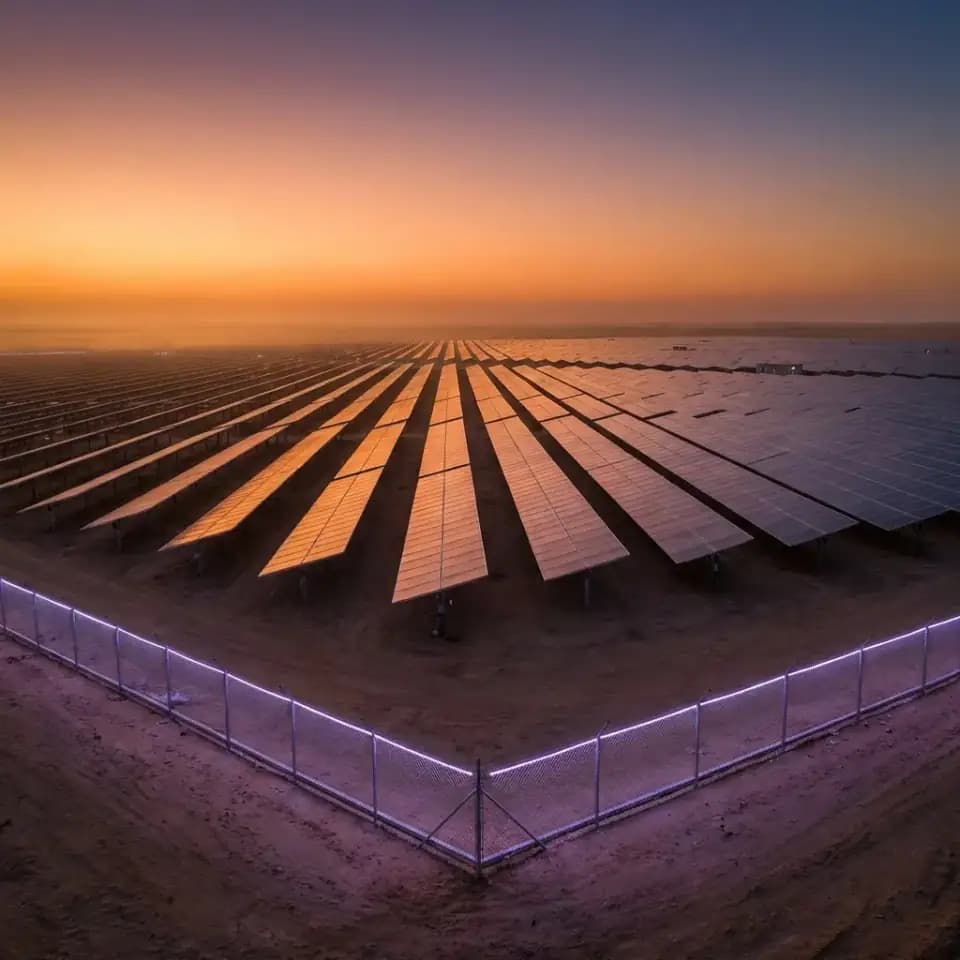
FortSense Solar & Renewables

Solar & Renewables

Perimeter Security Fiber Optics

Solar & Renewables

Autonomous perimeter monitoring for solar plants, protecting against theft of panels, copper cables, and inverters.

Ideal for applications in Minnesota

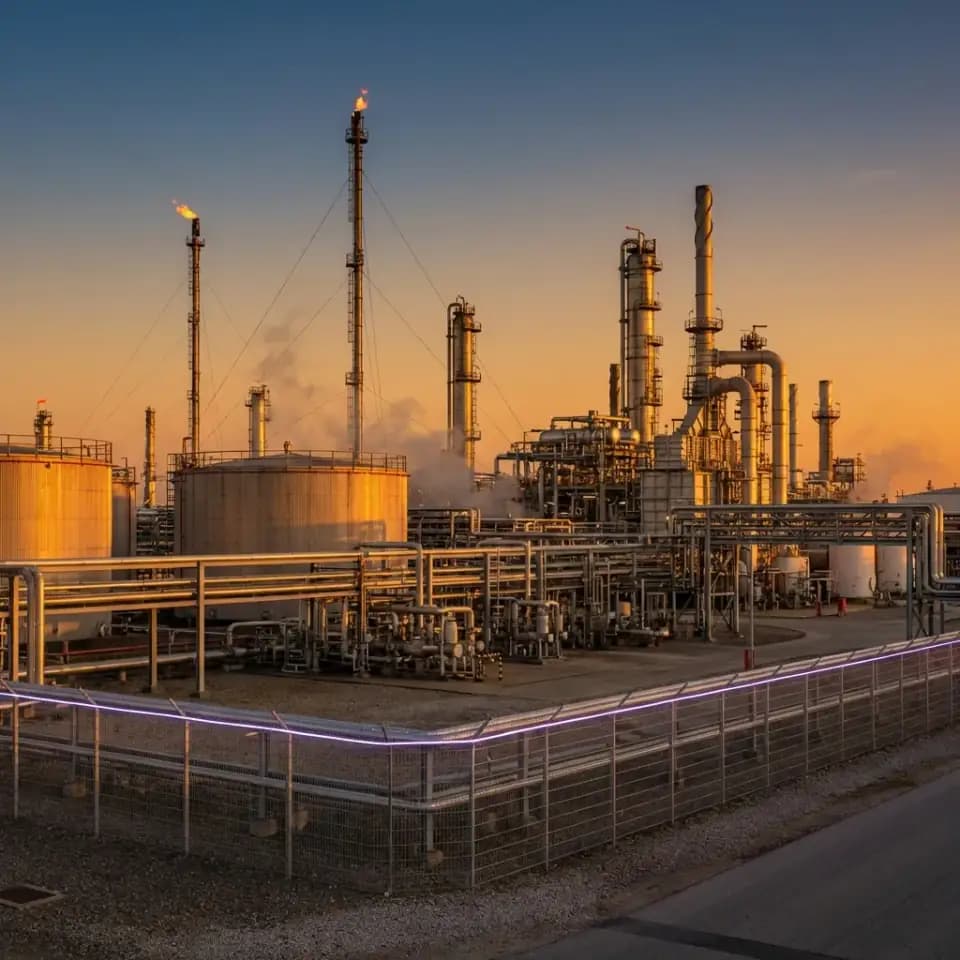
FortSense Oil & Gas

Oil & Gas

Perimeter Security Fiber Optics

Oil & Gas

Intrinsically safe perimeter detection for refineries, chemical plants, and fuel storage depots.

Ideal for applications in Minnesota

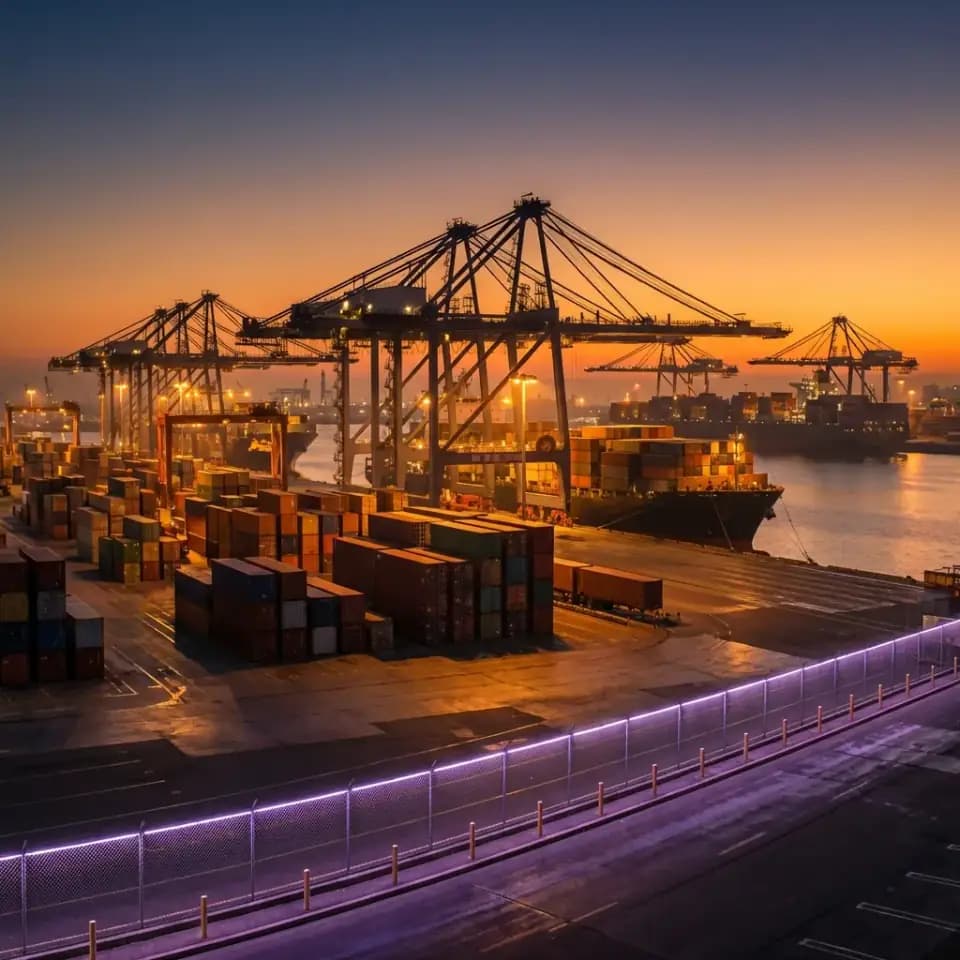
FortSense Ports & Maritime

Ports & Maritime

Perimeter Security Fiber Optics

Ports & Maritime

ISPS-compliant security for cargo containers, fuel depots, and docked vessels in harsh marine environments.

Ideal for applications in Minnesota

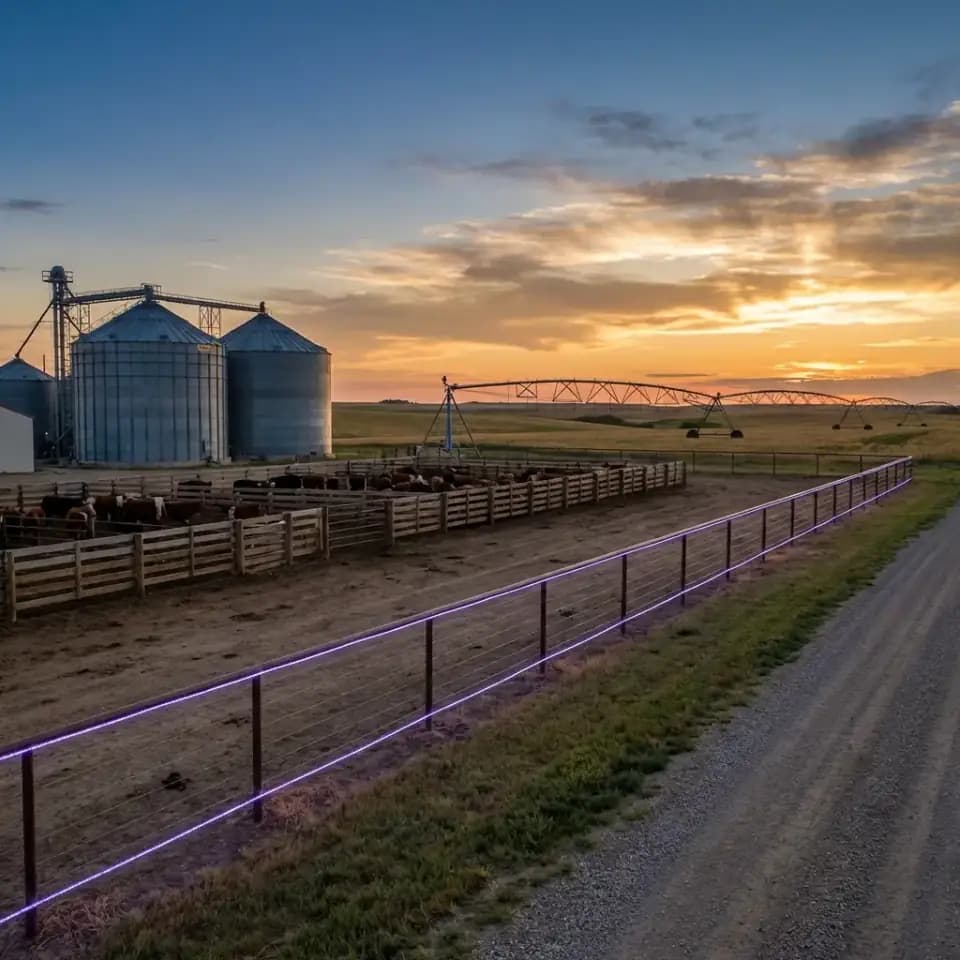
FortSense Agriculture

Agriculture

Perimeter Security Fiber Optics

Agriculture

Fire detection and security for farms, livestock pens, pivot irrigation systems, and rural assets.

Ideal for applications in Minnesota

FortSense Financial Sector

Financial Sector

Perimeter Security Fiber Optics

Financial Sector

High-security perimeter protection for banks, vaults, administrative centers, and ATM areas.

Ideal for applications in Minnesota

FortSense Residential Condominiums

Residential Condominiums

Perimeter Security Fiber Optics

Residential Condominiums

Invisible security for gated communities and apartment complexes, preserving aesthetics while detecting intrusions.

Ideal for applications in Minnesota

FortSense Distribution Centers

Distribution Centers

Perimeter Security Fiber Optics

Distribution Centers

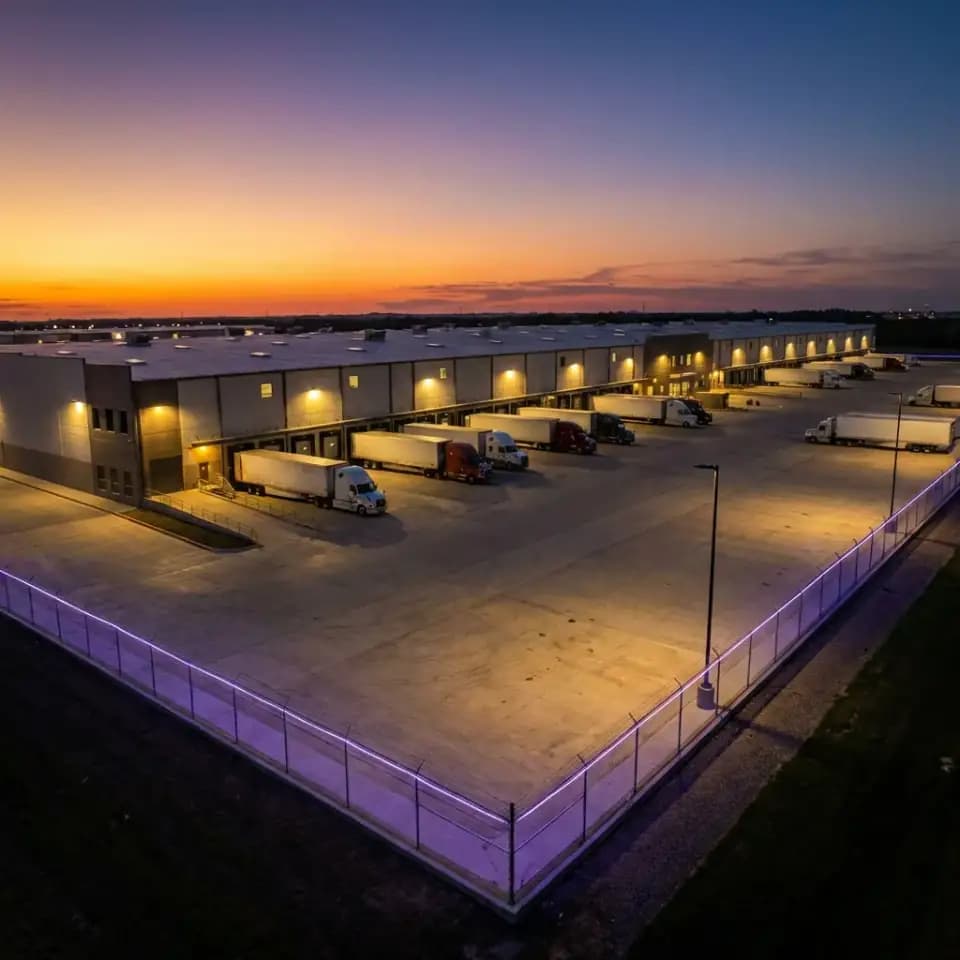
Security for logistics parks, warehouses, and high-value storage areas, meeting TAPA security standards.

Ideal for applications in Minnesota

FortSense Critical Infrastructure

Critical Infrastructure

Perimeter Security Fiber Optics

Critical Infrastructure

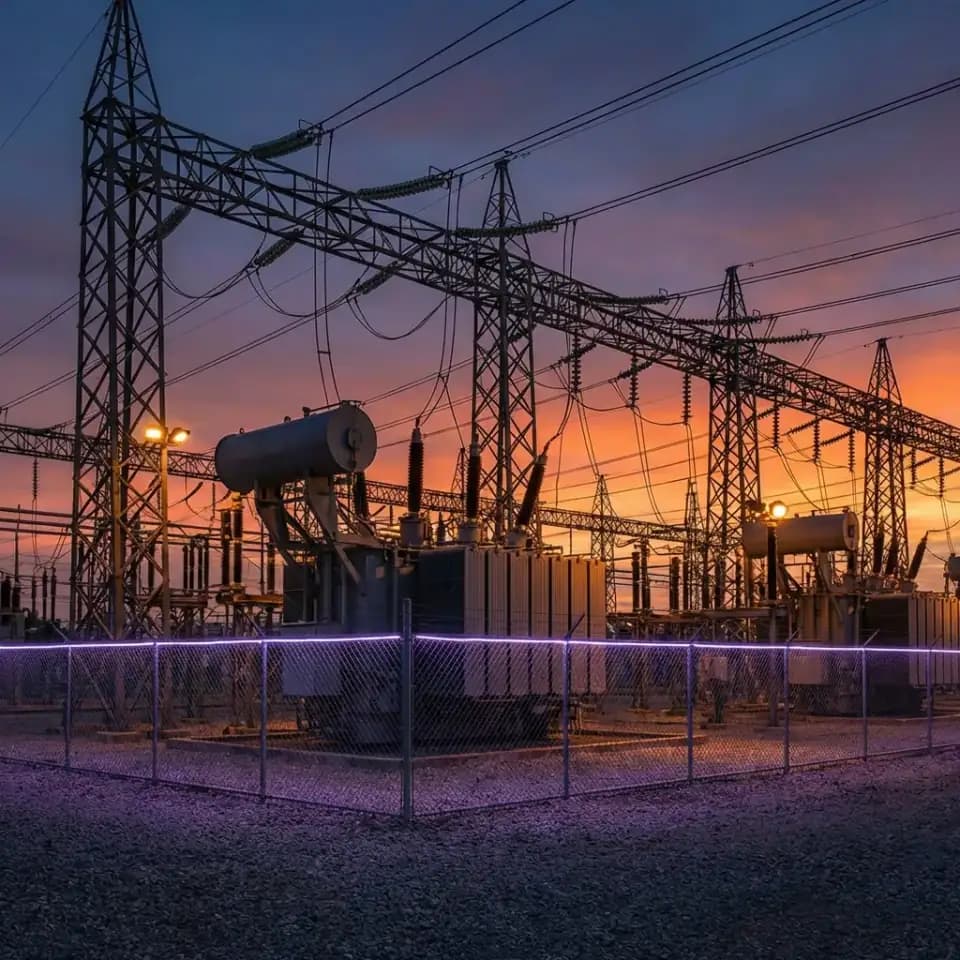
EMI-immune monitoring for electrical substations, telecom towers, and unmanned critical assets.

Ideal for applications in Minnesota

FortSense Corrections & Prisons

Corrections & Prisons

Perimeter Security Fiber Optics

Corrections & Prisons

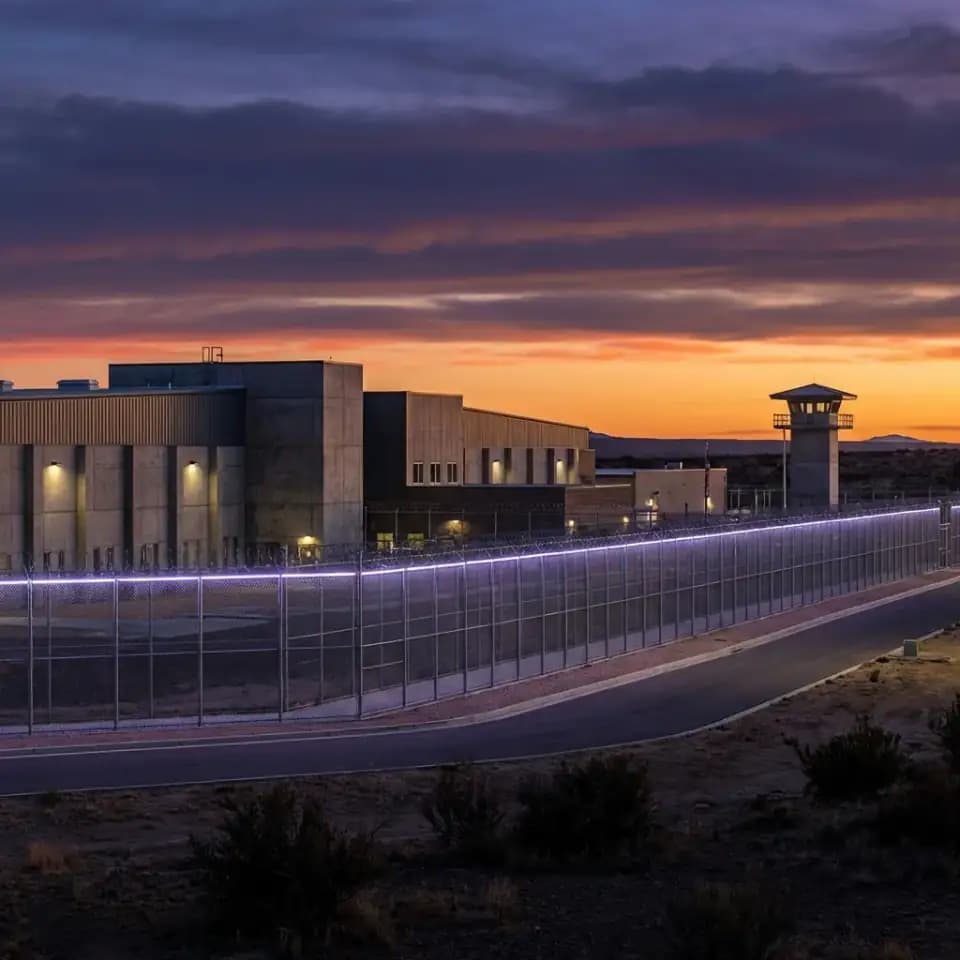
Zero-tolerance perimeter security for correctional facilities, detecting escape attempts and breaches.

Ideal for applications in Minnesota

FortSense Public Sector & Schools

Public Sector & Schools

Perimeter Security Fiber Optics

Public Sector & Schools

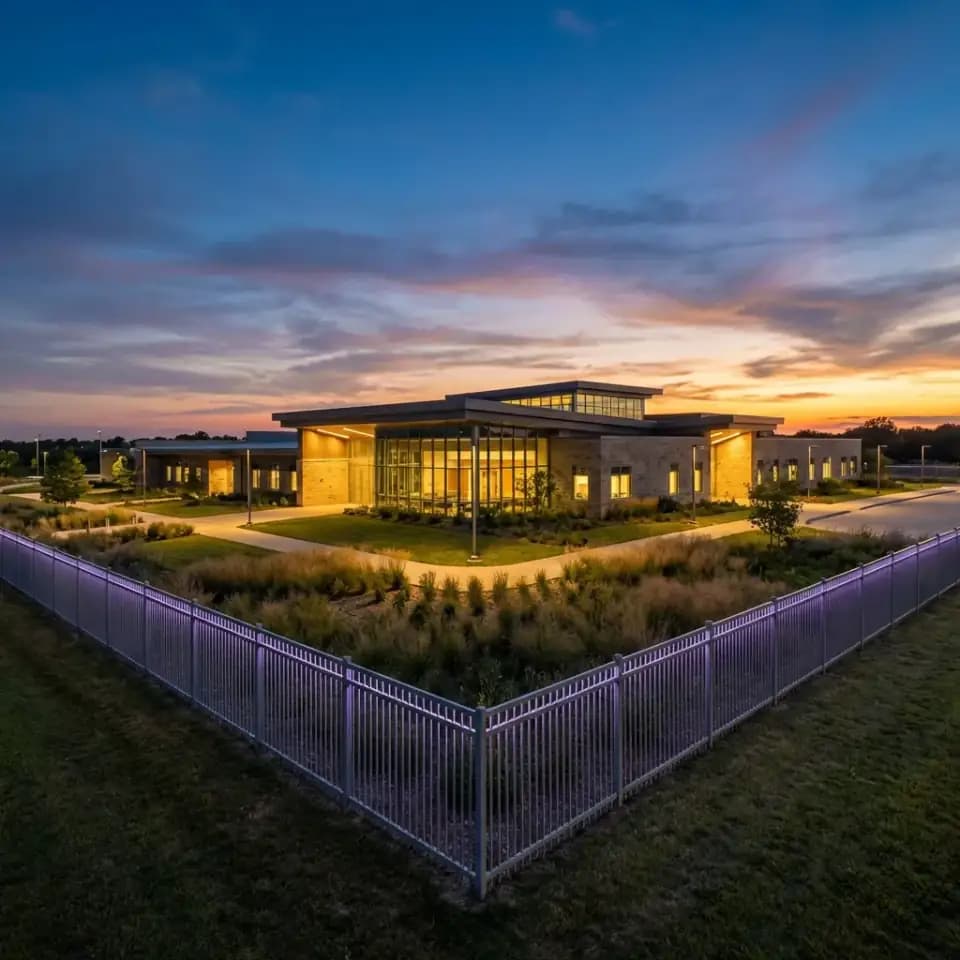
Non-invasive security for schools, government buildings, and public facilities with rapid lockdown protocols.

Ideal for applications in Minnesota

FortSense Perimeter Security for Airports

Perimeter Security for Airports

Perimeter Security Fiber Optics

Perimeter Security for Airports

ICAO-compliant sterile zone enforcement with zero interference to airport radar and navigation systems.

Ideal for applications in Minnesota

FortSense Mining Operations

Mining Operations

Perimeter Security Fiber Optics

Mining Operations

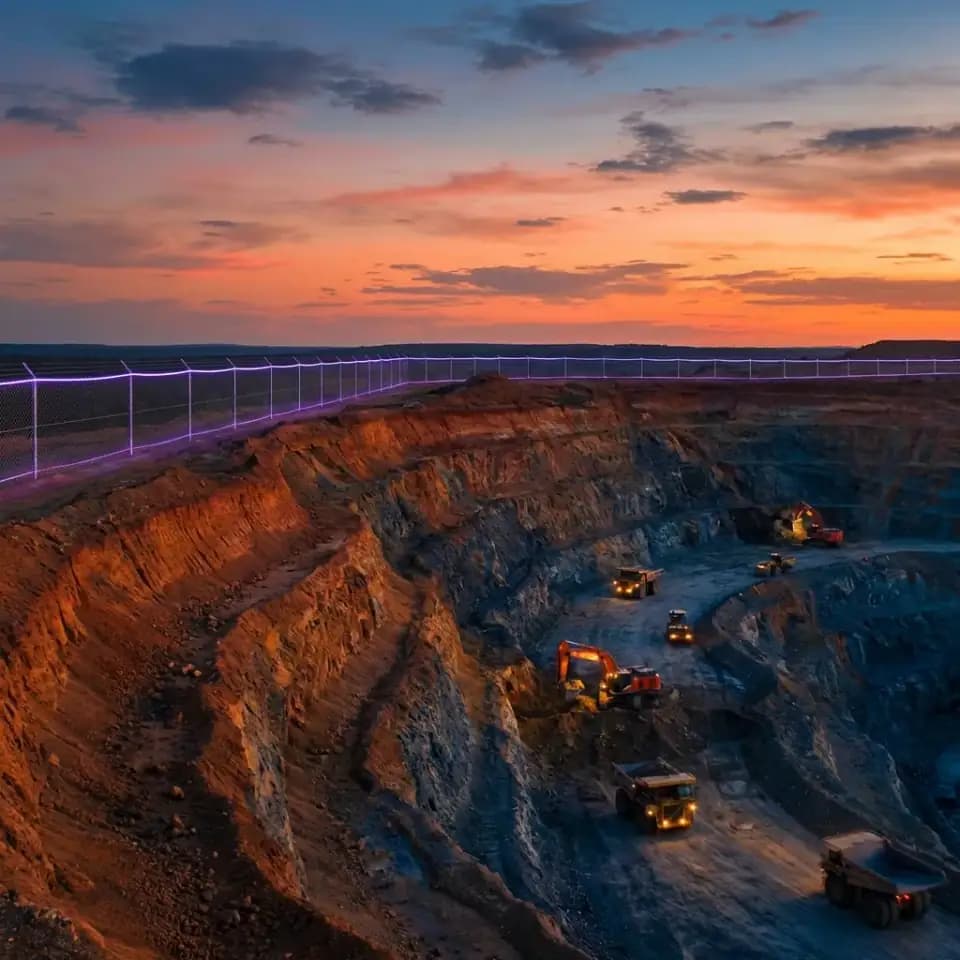
Ruggedized perimeter security for open-pit mines, ore stockpiles, and remote mining infrastructure.

Ideal for applications in Minnesota

Local service overview

Perimeter Security for Minnesota's Agribusiness & Industrial Base

FortSense provides fiber optic perimeter intrusion detection for Minnesota's agribusiness complexes, mining operations, and Fortune 500 corporate campuses across the Twin Cities metro.

## Economic & Industrial Landscape

Minnesota is an economic powerhouse that defies its mid-continent geography, hosting 16 Fortune 500 companies despite ranking only 22nd in population. The state is the global epicenter of agribusiness: Cargill in Wayzata is the world's largest private company by revenue (approximately $165 billion), while General Mills in Golden Valley, Land O'Lakes in Arden Hills, CHS Inc. in Inver Grove Heights (the nation's largest farmer-owned cooperative), and Hormel Foods in Austin collectively dominate global food supply chains.

Minnesota processes more agricultural commodities than any state except California and Texas, with massive grain elevator complexes, soybean crushing plants, and meat processing facilities concentrated along the Minnesota River valley and southern tier.

The medical device and healthcare sector anchors the state's technology economy. Medtronic in Fridley is the world's largest medical device company, employing over 50,000 people globally. The Mayo Clinic in Rochester is consistently ranked the #1 hospital in the United States, generating roughly $16 billion in annual revenue and anchoring a medical research ecosystem that attracts billions in NIH funding. 3M Company in Maplewood is a diversified manufacturing giant with over 60,000 products.

The Flint Hills Resources Pine Bend Refinery in Rosemount processes 365,000 barrels per day, making it one of the largest refineries in the country and the primary fuel source for the Upper Midwest. UnitedHealth Group in Minnetonka, Target Corporation in Minneapolis, and Best Buy in Richfield round out a remarkably diverse Fortune 500 roster.

## Critical Infrastructure — Named Facilities

The Mesabi Iron Range in northeastern Minnesota is the foundation of American steel production, supplying the majority of domestic iron ore. US Steel's Minntac facility in Mountain Iron is the largest iron ore operation in the state, while Cleveland-Cliffs operates the Hibbing Taconite, United Taconite, and Northshore Mining facilities. ArcelorMittal's Minorca Mine in Virginia, Minnesota adds further capacity.

These operations process raw taconite into pellets shipped via the Port of Duluth-Superior — the largest port on the Great Lakes by tonnage, moving approximately 35 million tons annually, primarily iron ore and grain. The port's Hallett Dock Company, CN-Duluth, and General Mills terminal facilities stretch for miles along Lake Superior's western shore.

Nuclear energy infrastructure includes Xcel Energy's Monticello Nuclear Generating Plant on the Mississippi River and the Prairie Island Nuclear Generating Plant near Red Wing, which together provide roughly 25% of the state's electricity. The BNSF and Canadian Pacific Kansas City railways maintain major classification yards in the Twin Cities metro, handling intermodal freight, grain shipments, and crude oil unit trains. Minneapolis-Saint Paul International Airport (MSP) is a Delta Air Lines hub processing over 38 million passengers annually.

The state's extensive pipeline network includes the Enbridge Line 3 replacement (which generated significant protest activity during construction) and the Minnesota Pipeline Company's crude oil lines connecting Canadian oil sands production to Midwest refineries.

## Security Challenges — Local Patterns

The Twin Cities metropolitan area experienced a dramatic surge in property crime beginning in 2020, with vehicle theft rates reaching among the highest in the nation. In the aftermath of the George Floyd protests, which caused over $500 million in property damage in Minneapolis alone, carjacking incidents surged and catalytic converter theft became epidemic across the metro. Organized theft rings specifically target Kia and Hyundai models lacking immobilizer technology, with stolen vehicles often used in subsequent crimes.

Cargo theft along the I-94 and I-35 corridors affects rail yards, truck terminals, and warehouse districts, with the Twin Cities' position as a Midwest distribution hub making it attractive to organized freight theft operations.

Mining operations on the Iron Range present distinct security challenges. Taconite processing facilities contain high-value equipment spread across remote sites that can be difficult to patrol — Minntac's property alone covers thousands of acres. Equipment theft, copper wire stripping from electrical infrastructure, and unauthorized access to hazardous areas are persistent concerns.

The pipeline infrastructure that crisscrosses the state has proven vulnerable to protest-related interference, as demonstrated during the Line 3 pipeline construction when activists caused millions in property damage and repeatedly breached construction security zones. Agricultural theft — including fuel siphoning from farm tanks, grain elevator break-ins, and fertilizer theft — affects rural communities across southern and western Minnesota.

## Why Fiber Optic PIDS Here

Minnesota's extreme continental climate is among the most demanding environments for security technology in the United States. Winter temperatures routinely reach -30°F in the Twin Cities and -40°F to -50°F in northern Minnesota, with dangerous wind chills persisting for weeks. Annual snowfall averages 50–70 inches in the Twin Cities and exceeds 90 inches on the Iron Range. Spring brings severe flooding along the Red River of the North and Minnesota River, while summer delivers intense thunderstorms with large hail and tornadoes.

This 120+ degree Fahrenheit annual temperature range destroys conventional electronic sensors through thermal cycling, ice formation, and moisture intrusion. Fiber optic sensing cable operates with consistent sensitivity across this entire range, requires no electrical power along the sensing path, and is immune to the lightning strikes that frequently disable electronic perimeter systems during Minnesota's violent thunderstorm season.

The diversity and scale of assets requiring protection in Minnesota particularly favors fiber optic PIDS technology. Iron Range mining operations require perimeter coverage across miles of remote, difficult terrain where traditional sensor maintenance is impractical during six months of winter. The Pine Bend Refinery's sprawling 1,100-acre footprint needs continuous monitoring along lengthy perimeters where hydrocarbon vapors can interfere with radar and infrared systems.

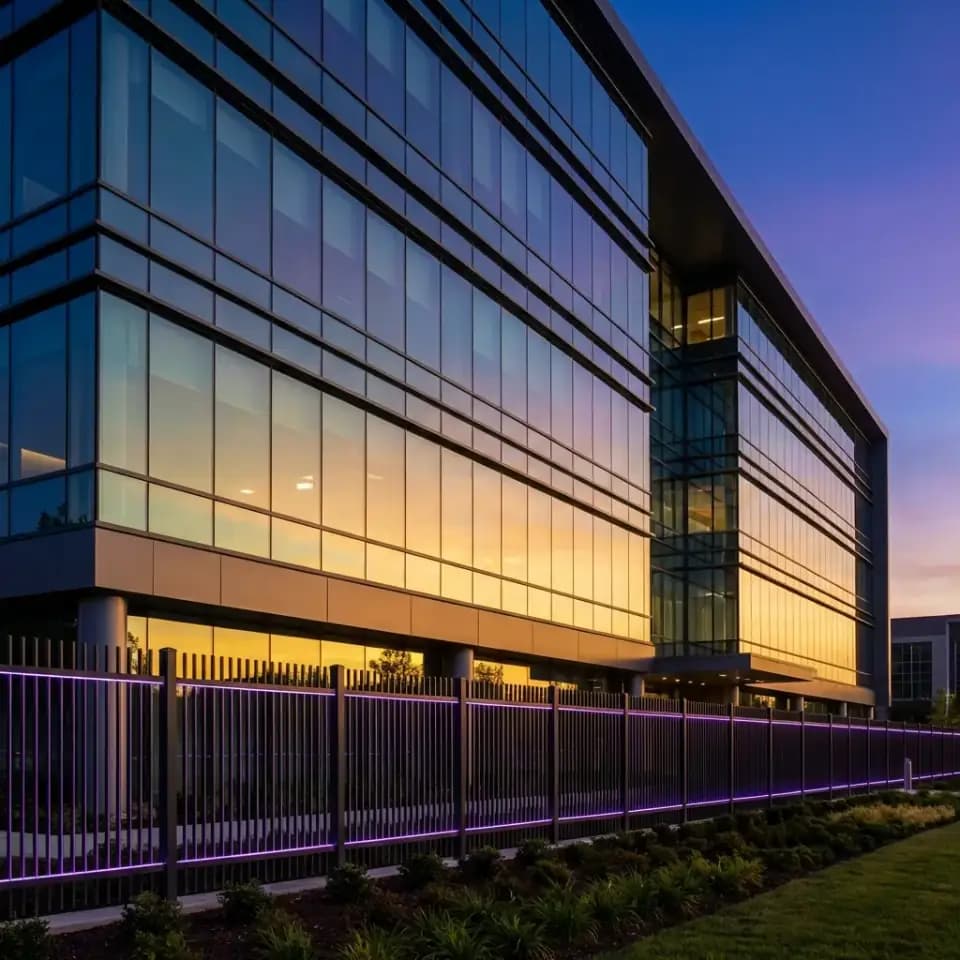
Fortune 500 corporate campuses in the Twin Cities suburbs — from Medtronic in Fridley to 3M in Maplewood — demand discreet perimeter detection that integrates with sophisticated access control without disrupting the corporate park aesthetic. Grain elevator complexes and food processing facilities require monitoring along lengthy fence lines where rodent damage and agricultural dust defeat many sensor types.

## Deployment Context

Minnesota PIDS installations must be engineered for frost depth exceeding 60 inches in northern regions, requiring deep-burial cable installation or above-ground mounting designed to withstand snow loading and ice accumulation. The construction season for buried installations is typically constrained to May through October. Integration with existing security infrastructure at mining operations often involves coordination with MSHA (Mine Safety and Health Administration) safety protocols.

For agricultural and food processing facilities, USDA biosecurity requirements may dictate specific perimeter detection capabilities. The state's reliable fiber optic backbone — including extensive rural broadband investment through the Minnesota Border-to-Border Broadband Development Grant Program — supports remote monitoring connectivity even in the state's most isolated northern and western counties.

Professional perimeter protection for distribution centers, manufacturing, and critical infrastructure in Minnesota.

  • Grain Silo & Agricultural Input Storage
  • Livestock & Feed Lot Perimeter
  • R&D Campus & IP Protection
  • Agribusiness & Food Processing Facilities

Plan a FortSense assessment for this market

Share the perimeter length, fence type, and monitoring workflow. FortSense can help scope zones, integration points, and commissioning requirements for this location.

Services

Grain Silo & Agricultural Input Storage

Securing grain silos, fertilizer warehouses, and agricultural chemical storage from theft and contamination with humidity-tolerant fiber sensing.

Livestock & Feed Lot Perimeter

Fiber optic perimeter detection for livestock pens, feedlots, and breeding facilities with animal-immune algorithms calibrated for large herds.

R&D Campus & IP Protection

High-security perimeter for R&D campuses, pharmaceutical plants, and IP-sensitive manufacturing facilities with tamper-proof fiber and encrypted alarm channels.

Deployment patterns for local sites

How FortSense Works in Minnesota

Fiber optic perimeter security adapted to local conditions and requirements.

  1. Fiber installed. Passive fiber optic cable mounts on the existing fence or wall with minimal civil work.
  2. Vibration detected. Any contact creates vibration patterns in the fiber so climbing, cutting, or lifting attempts become visible immediately.
  3. AI/DSP verification. Algorithms filter out wind, animals, and environmental noise before an operator ever sees an alarm.
  4. Alarm if intrusion. Only real threats trigger zone-based alarms that can route into the monitoring workflow already used by the site team.

Adapted for Minnesota. Our local partners understand Minnesota's climate, terrain, and security challenges. The fiber optic system is configured to filter local environmental conditions while maintaining maximum sensitivity to real intrusion attempts.

Integration and security software fit

FortSense can feed alarms into the monitoring stack a site already uses, including VMS, PSIM, alarm panels, relay inputs, TCP/IP workflows, and camera verification.

  • Zone-based alarms for operators and guard teams
  • Camera and VMS workflows for visual verification
  • Relay or network outputs for existing security systems
  • Software-assisted filtering before dispatch decisions

Industries in this market

Relevant FortSense industry and use-case paths connected to this location.

  • Agribusiness & Food Processing Facilities
  • Iron Ore Mining Operations
  • Corporate Headquarters & Data Centers
  • Distribution Center Perimeter Security
  • Solar Farm Perimeter Security
  • Perimeter Security for Critical Infrastructure

Why FortSense fits in Perimeter Security in Minnesota

FortSense is designed for perimeter security work where false-alarm reduction, passive fiber sensing, and practical integration matter more than adding another camera-only layer.

  • Passive fiber on existing fences, walls, or perimeter structures
  • AI/DSP filtering for wind, vibration, and environmental noise
  • Zone-level alerts that can match the site's response model
  • Support for design, integration, commissioning, and handover

Market notes

Practical details that help this page stay specific to the market instead of drifting into generic copy.

  • Agribusiness & Food Processing Facilities
  • Iron Ore Mining Operations
  • Corporate Headquarters & Data Centers
  • Grain Silo & Agricultural Input Storage

Related FortSense paths

Related technical content and commercial guidance linked from this location page.

Frequently Asked Questions (FAQ)

Frequently Asked Questions (FAQ) — Minnesota

What connectivity options exist for remote farm locations?

FortSense supports alarm transmission via cellular (4G/5G), satellite (Iridium, Starlink), and radio relay. Even locations without reliable internet can maintain real-time perimeter monitoring with store-and-forward alarm reporting.

Can the system detect wild animal intrusion for crop protection?

While primarily designed for human intrusion detection, FortSense can be configured with wildlife-detection sensitivity for high-value crop areas. The system differentiates between small animals (filtered) and large wildlife or humans (alarmed).

How does installation work on agricultural fencing (barbed wire, post-and-rail)?

Our fiber cable attaches to virtually any fence type — barbed wire, woven wire, post-and-rail, electric fence, and chain link. Specialized mounting clips allow rapid installation on existing agricultural fencing without replacing or upgrading the fence structure.

Can the system adjust sensitivity between production shifts and quiet periods?

Yes. FortSense supports shift-aware profiles that automatically adjust perimeter sensitivity based on your production schedule. Full sensitivity during night shifts and weekends, with nuisance alarm filtering during busy shift changes and delivery windows.

How does heavy snowfall and ice accumulation affect the system?

Snow loading on fences changes the acoustic baseline. FortSense adapts automatically over 24-48 hours to snow conditions. Ice-fall events (melting ice dropping from structures) are profiled and filtered to prevent false alarms during thaw cycles.

Local perimeter assessment

Request Perimeter Assessment in Minnesota

Receive a technical proposal, deployment design, and integration plan.

Rural Perimeter Security in Minnesota | FortSense®