
Fiber Optic Perimeter Security in Mississippi: Perimeter Security for Mississippi's Defense Shipbuilding & Energy Assets

Defending Ingalls Shipbuilding, NASA Stennis Space Center, and the Gulf Coast's refining corridor with fiber optic detection rated for hurricane-force conditions.

Applications

Perimeter Security Fiber Optics Ideal for Applications in Mississippi

FortSense Solar & Renewables

Solar & Renewables

Perimeter Security Fiber Optics

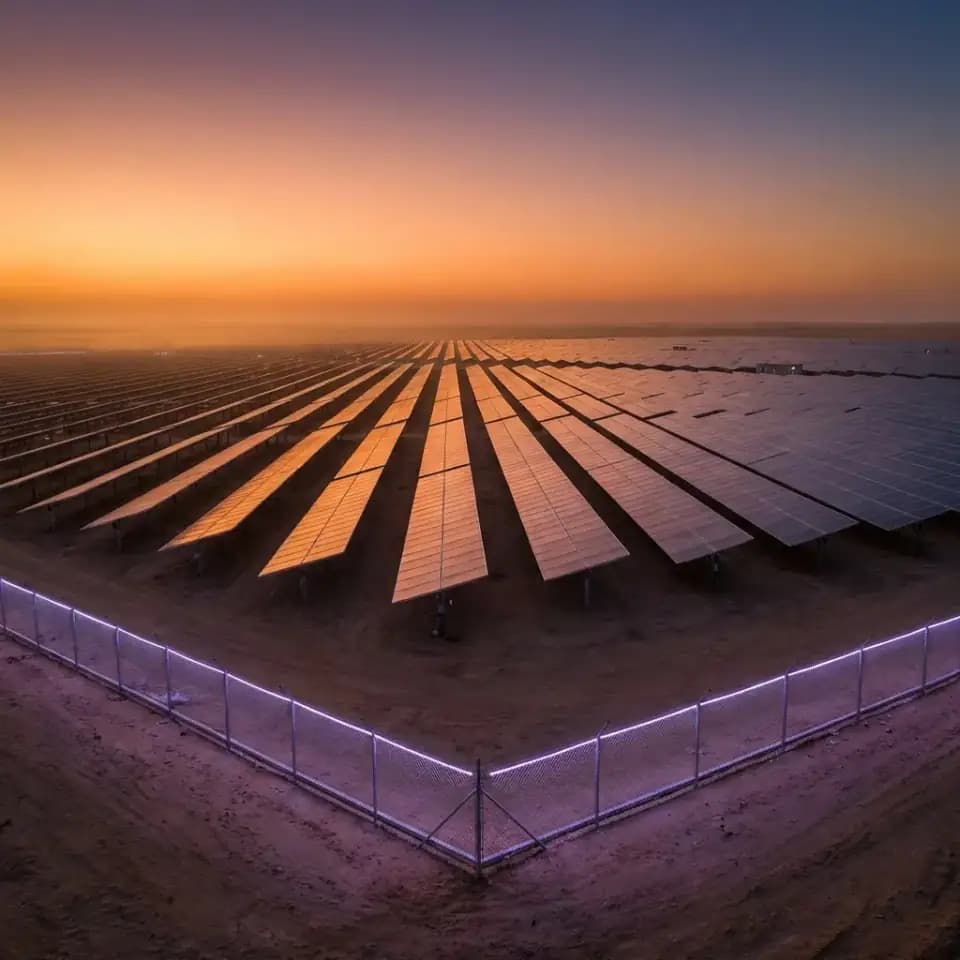
Solar & Renewables

Autonomous perimeter monitoring for solar plants, protecting against theft of panels, copper cables, and inverters.

Ideal for applications in Mississippi

FortSense Oil & Gas

Oil & Gas

Perimeter Security Fiber Optics

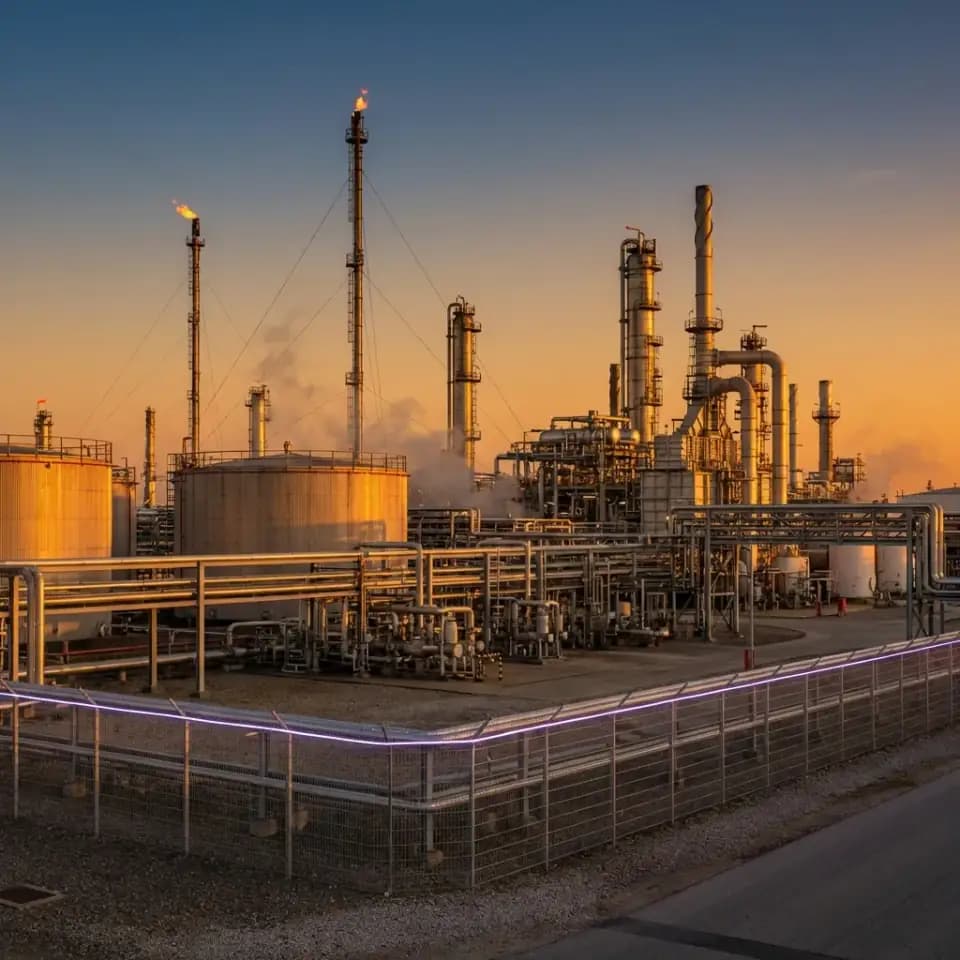
Oil & Gas

Intrinsically safe perimeter detection for refineries, chemical plants, and fuel storage depots.

Ideal for applications in Mississippi

FortSense Ports & Maritime

Ports & Maritime

Perimeter Security Fiber Optics

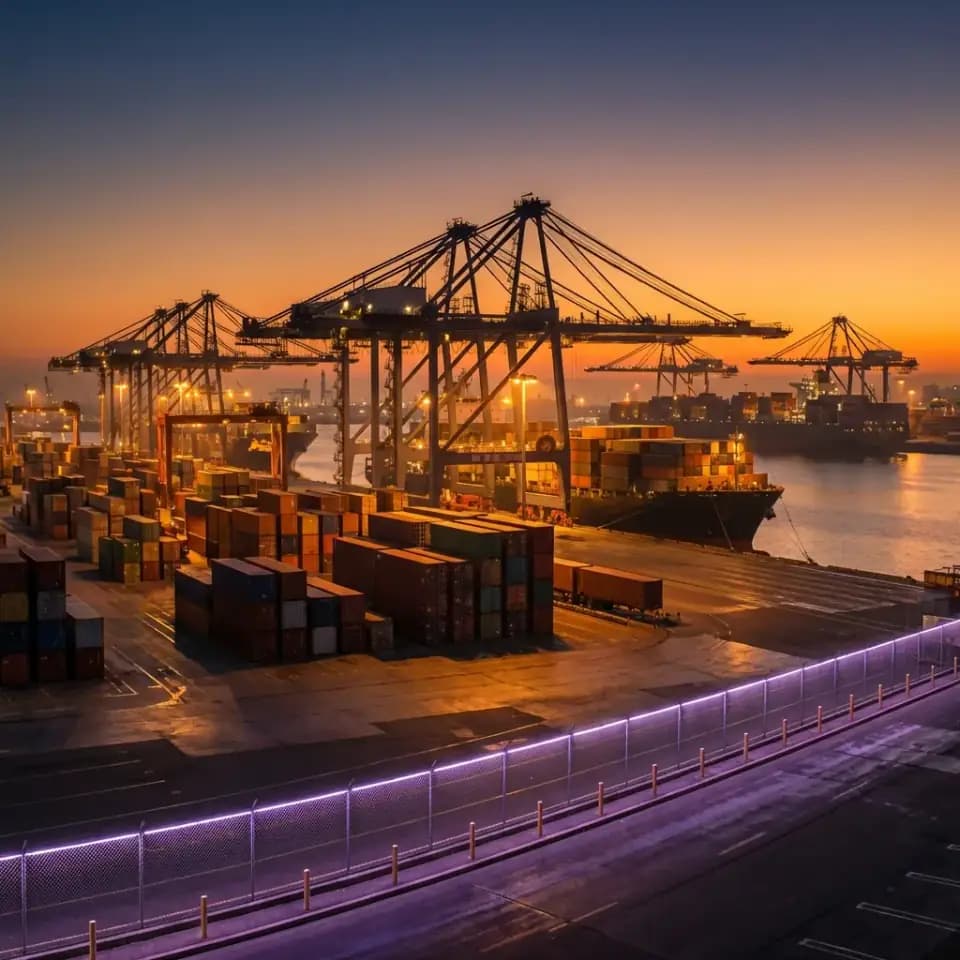
Ports & Maritime

ISPS-compliant security for cargo containers, fuel depots, and docked vessels in harsh marine environments.

Ideal for applications in Mississippi

FortSense Agriculture

Agriculture

Perimeter Security Fiber Optics

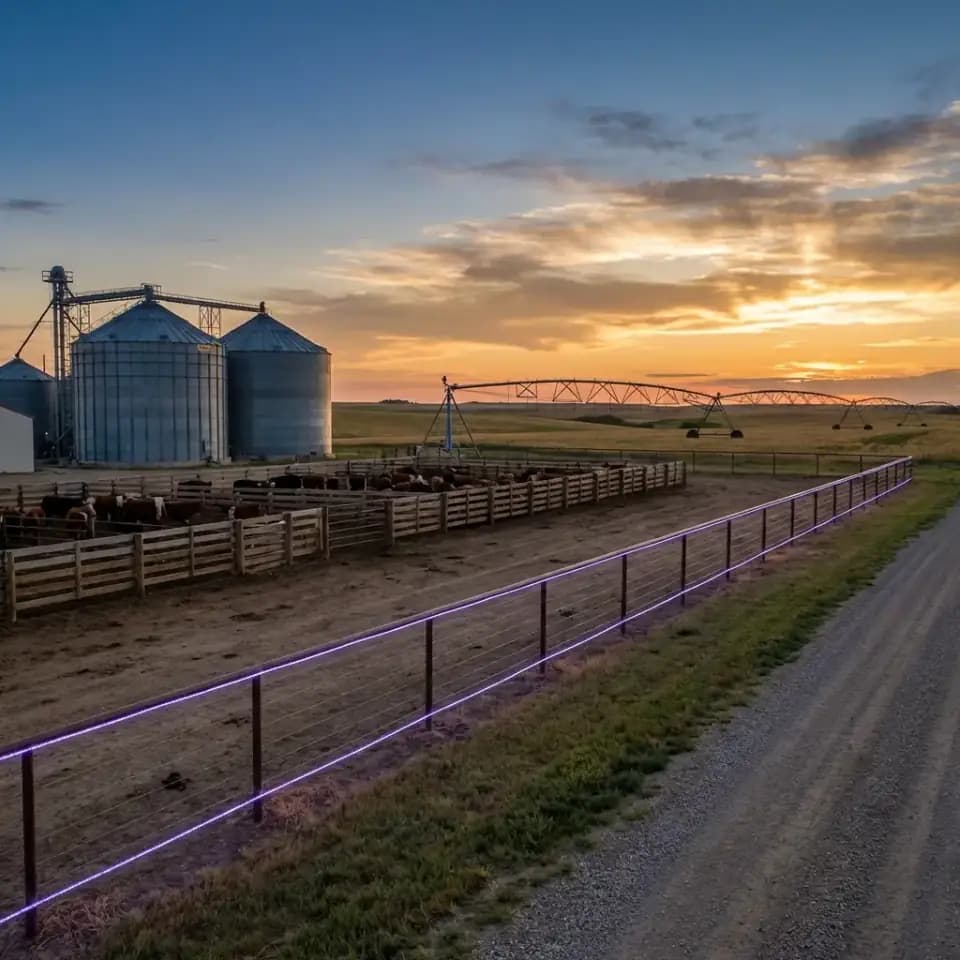
Agriculture

Fire detection and security for farms, livestock pens, pivot irrigation systems, and rural assets.

Ideal for applications in Mississippi

FortSense Financial Sector

Financial Sector

Perimeter Security Fiber Optics

Financial Sector

High-security perimeter protection for banks, vaults, administrative centers, and ATM areas.

Ideal for applications in Mississippi

FortSense Residential Condominiums

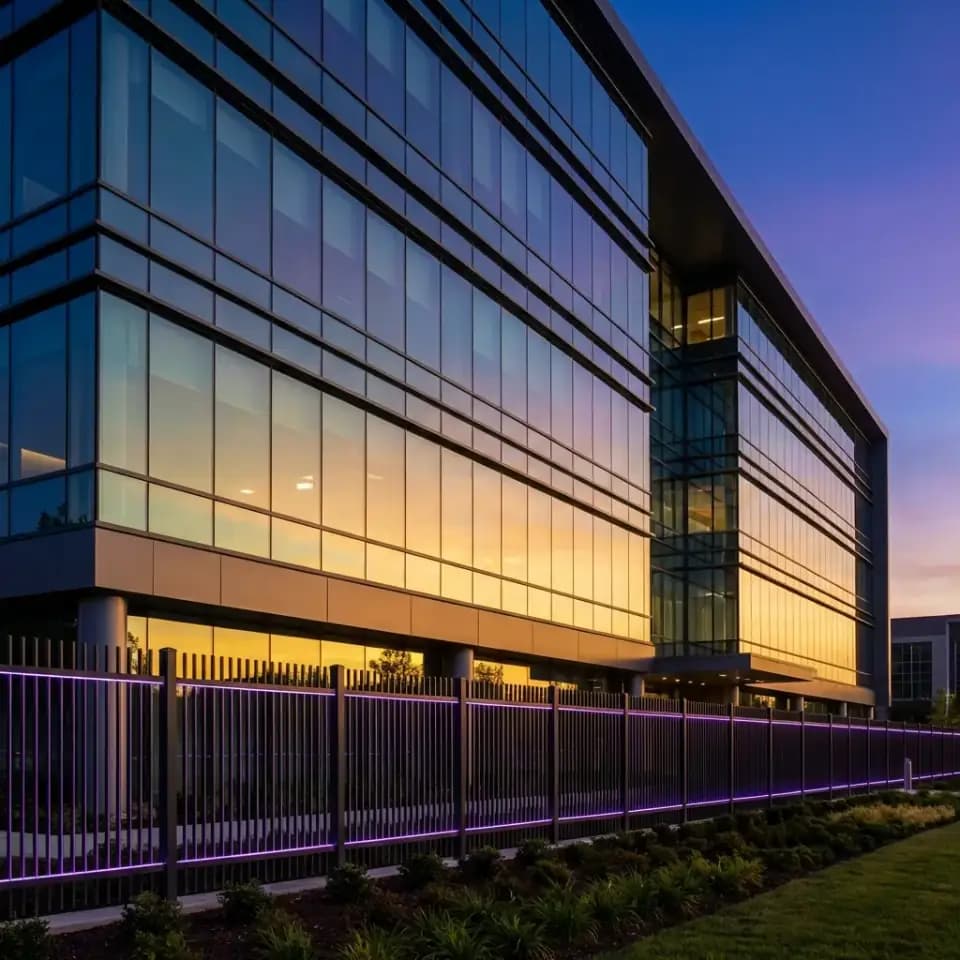
Residential Condominiums

Perimeter Security Fiber Optics

Residential Condominiums

Invisible security for gated communities and apartment complexes, preserving aesthetics while detecting intrusions.

Ideal for applications in Mississippi

FortSense Distribution Centers

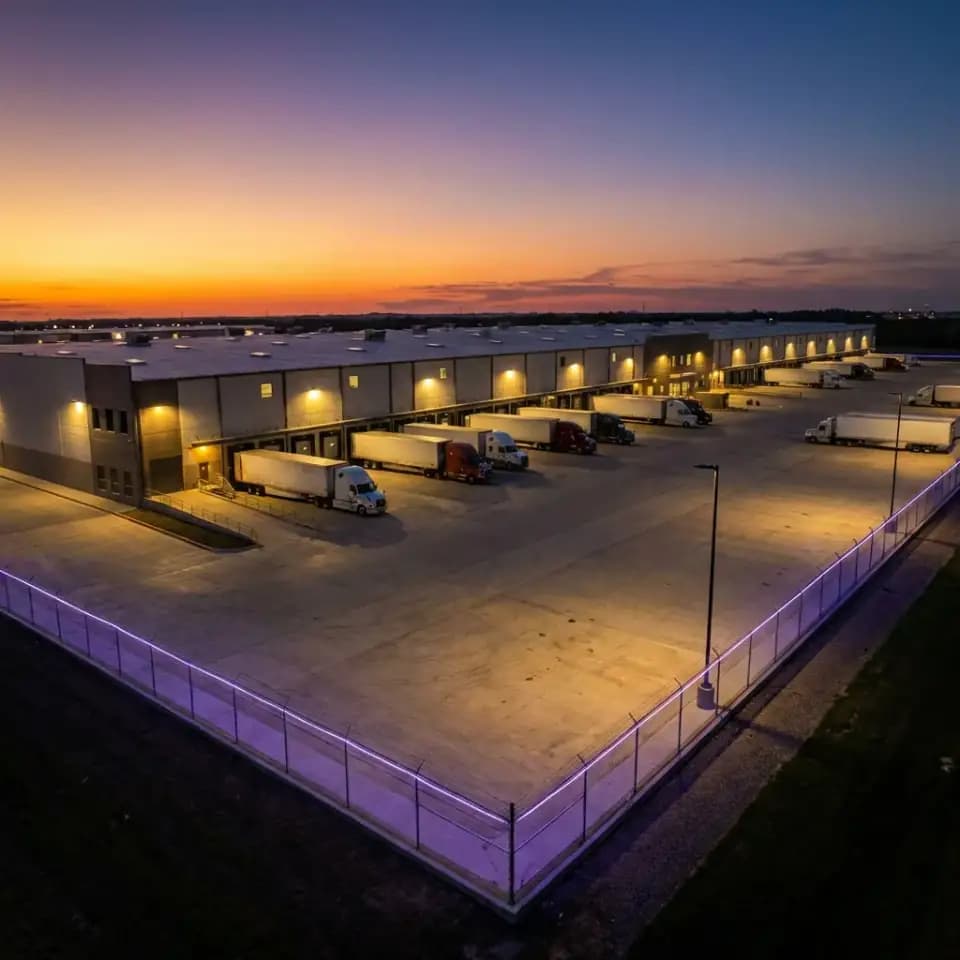
Distribution Centers

Perimeter Security Fiber Optics

Distribution Centers

Security for logistics parks, warehouses, and high-value storage areas, meeting TAPA security standards.

Ideal for applications in Mississippi

FortSense Critical Infrastructure

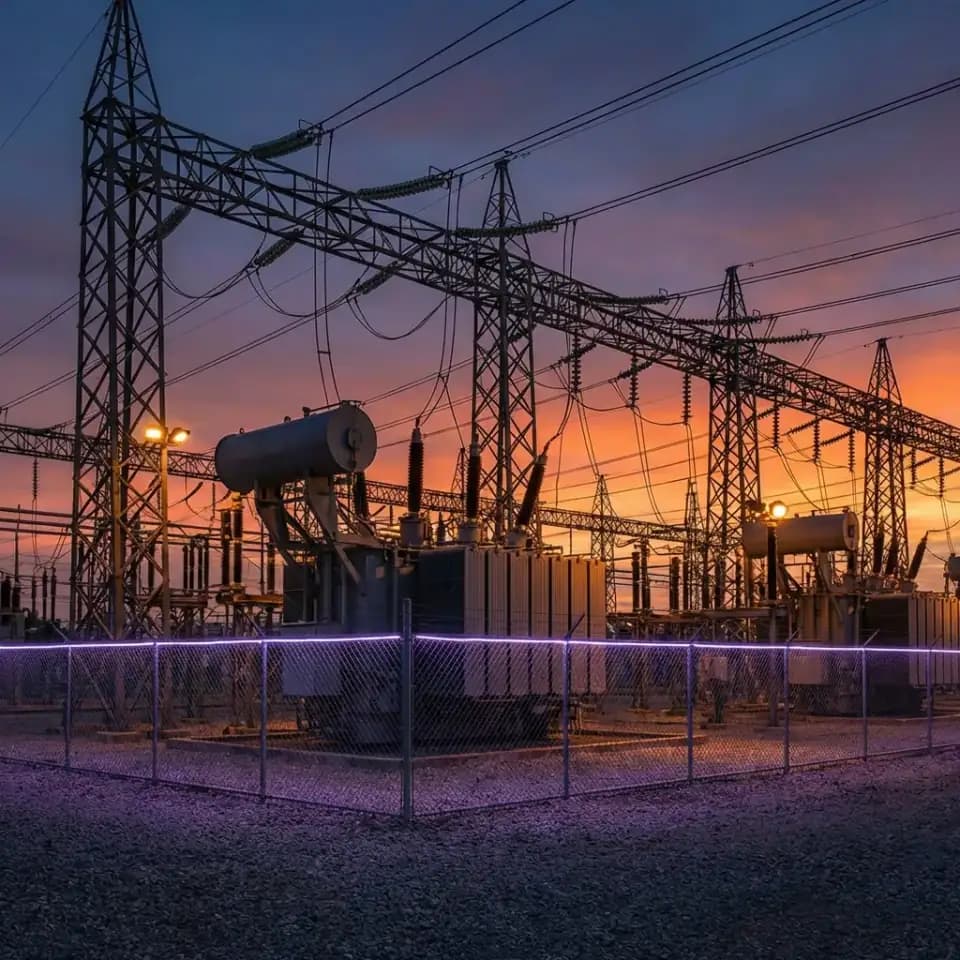
Critical Infrastructure

Perimeter Security Fiber Optics

Critical Infrastructure

EMI-immune monitoring for electrical substations, telecom towers, and unmanned critical assets.

Ideal for applications in Mississippi

FortSense Corrections & Prisons

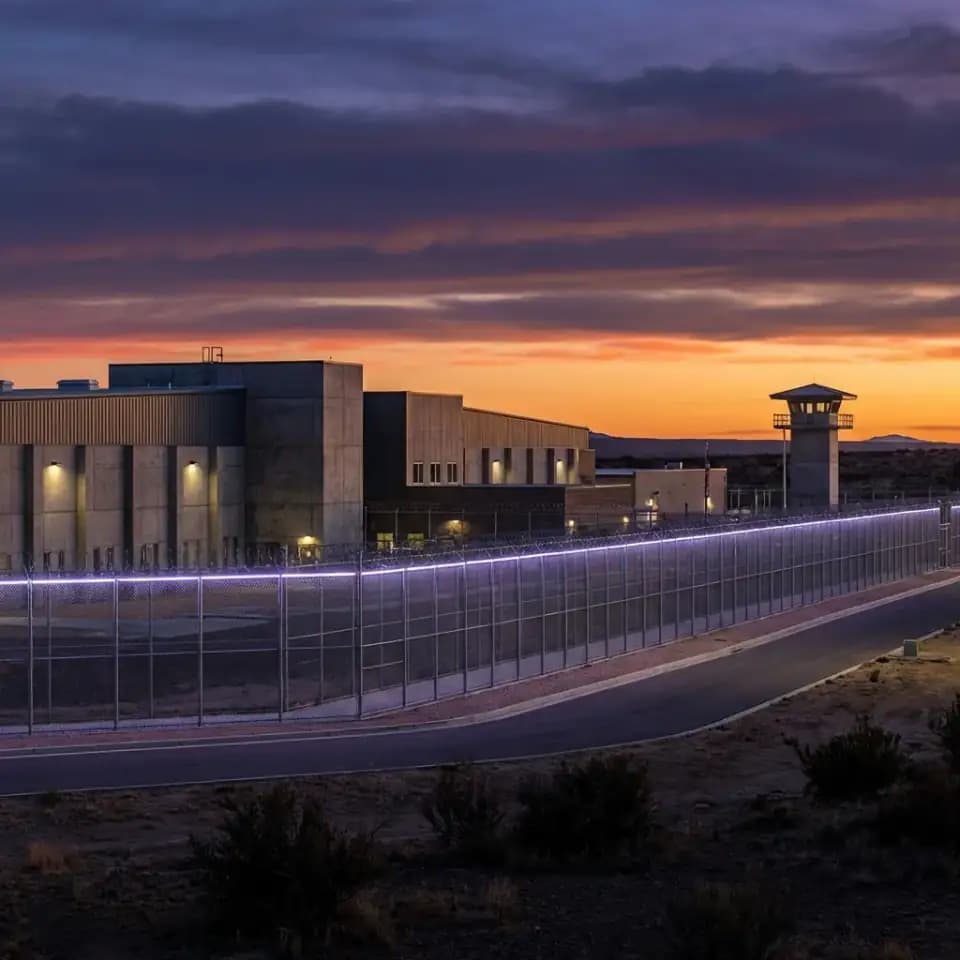
Corrections & Prisons

Perimeter Security Fiber Optics

Corrections & Prisons

Zero-tolerance perimeter security for correctional facilities, detecting escape attempts and breaches.

Ideal for applications in Mississippi

FortSense Public Sector & Schools

Public Sector & Schools

Perimeter Security Fiber Optics

Public Sector & Schools

Non-invasive security for schools, government buildings, and public facilities with rapid lockdown protocols.

Ideal for applications in Mississippi

FortSense Perimeter Security for Airports

Perimeter Security for Airports

Perimeter Security Fiber Optics

Perimeter Security for Airports

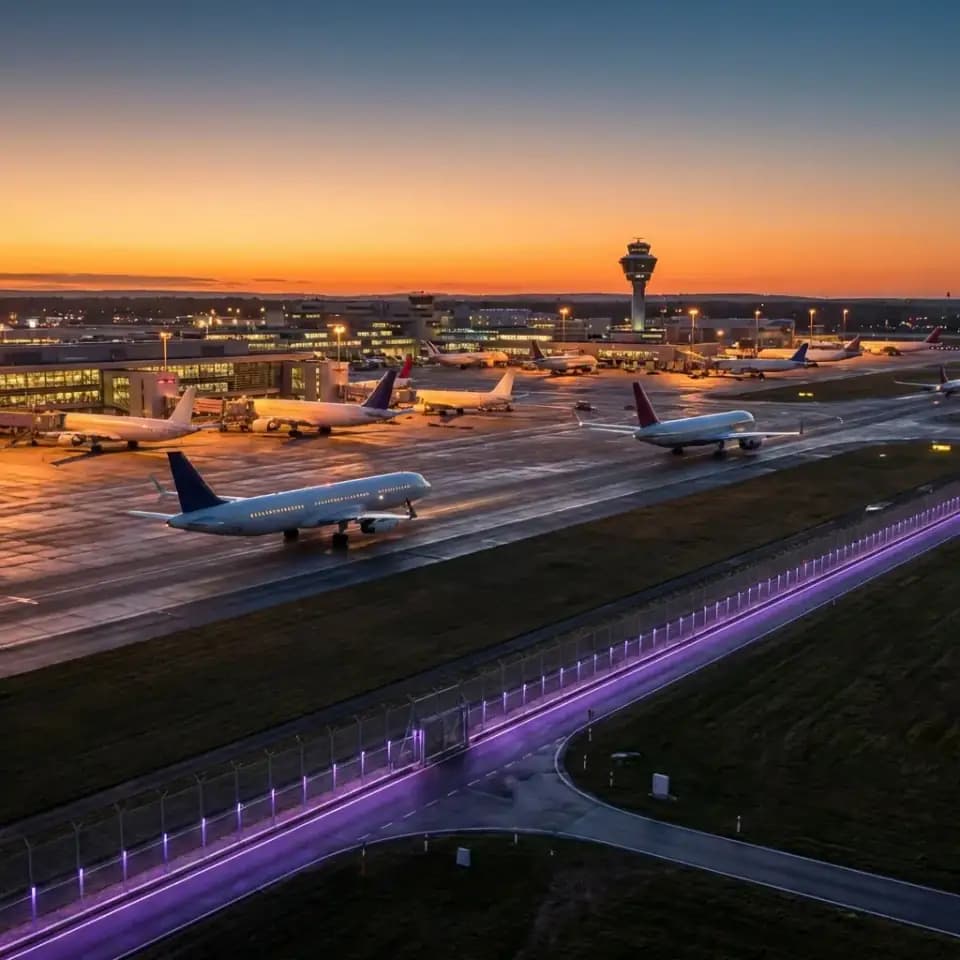
ICAO-compliant sterile zone enforcement with zero interference to airport radar and navigation systems.

Ideal for applications in Mississippi

FortSense Mining Operations

Mining Operations

Perimeter Security Fiber Optics

Mining Operations

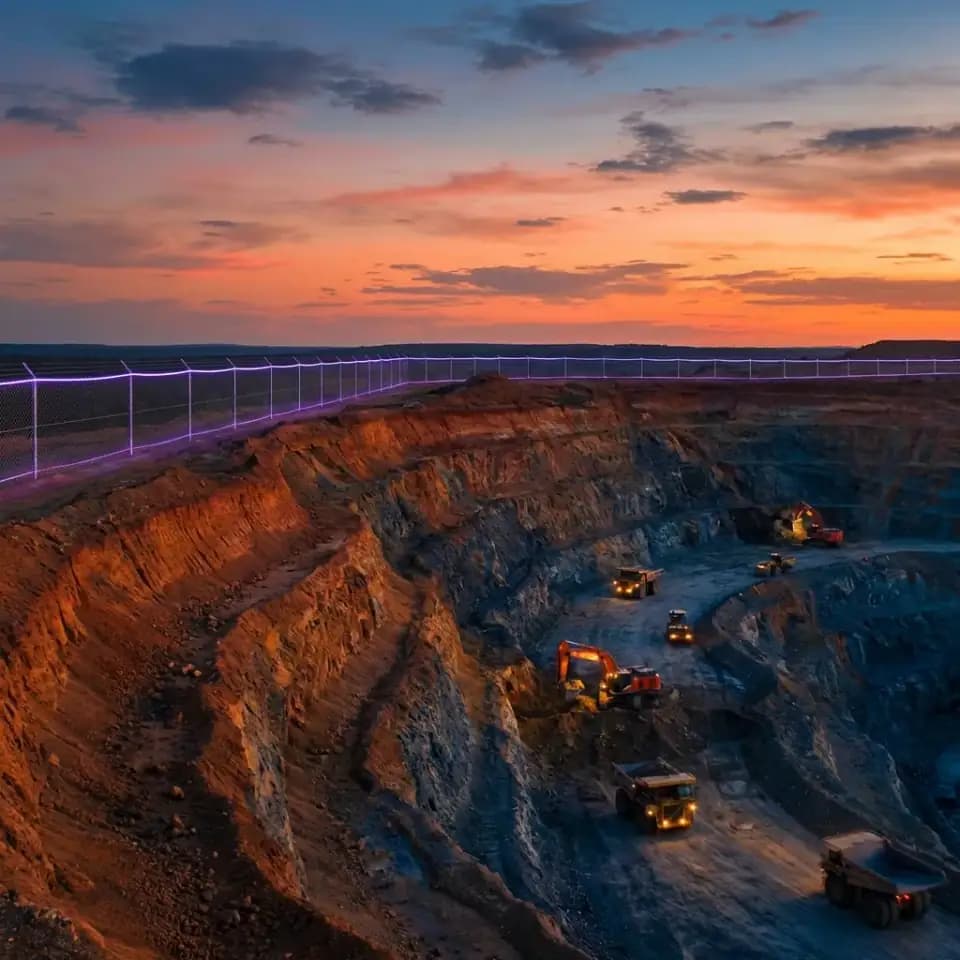
Ruggedized perimeter security for open-pit mines, ore stockpiles, and remote mining infrastructure.

Ideal for applications in Mississippi

Local service overview

Perimeter Security for Mississippi's Defense Shipbuilding & Energy Assets

FortSense provides fiber optic PIDS for Mississippi's naval shipyards, rocket engine test facilities, and petroleum refining infrastructure along the Gulf Coast.

## Economic & Industrial Landscape

Mississippi's economy, while modest in GDP at approximately $125 billion, punches well above its weight in strategic defense manufacturing and energy production. The state's Gulf Coast is home to one of America's most critical defense industrial assets: Ingalls Shipbuilding in Pascagoula, a division of Huntington Ingalls Industries (HII), which employs over 12,000 workers — making it Mississippi's largest private employer.

Ingalls builds Arleigh Burke-class guided-missile destroyers (DDG-51), San Antonio-class amphibious transport docks (LPD), America-class amphibious assault ships (LHA), and Legend-class National Security Cutters for the US Coast Guard. Every surface combatant in the US Navy's fleet has components built in Pascagoula, making this single facility indispensable to American naval power projection.

The automotive sector has transformed Mississippi's manufacturing base over the past two decades. Nissan's Canton Vehicle Assembly Plant produces the Altima, Frontier, and Titan trucks with a workforce exceeding 6,400. Toyota Motor Manufacturing Mississippi (TMMMS) in Blue Springs dedicates its operation to Corolla production with over 2,000 employees. Continental Tire in Clinton and Yokohama Tire Manufacturing in West Point supply both domestic and international markets.

The tire and automotive cluster generates billions in annual output and has attracted dozens of Tier 1 and Tier 2 automotive suppliers to the state. Agriculture remains foundational — Mississippi leads the nation in catfish production (centered in the Delta region), ranks in the top five for poultry, and produces significant cotton and soybean crops.

## Critical Infrastructure — Named Facilities

NASA's John C. Stennis Space Center in Hancock County is the world's largest rocket engine test facility, occupying 13,800 acres with a 125,000-acre acoustic buffer zone — the largest such zone in the country. Stennis tests engines for the Space Launch System (SLS), the nation's primary deep-space launch vehicle, and has tested propulsion systems for every American crewed space mission since Apollo. The facility also hosts over 30 federal and state agencies, including the Naval Meteorology and Oceanography Command and a significant NOAA presence.

The Chevron Pascagoula Refinery processes 330,000 barrels per day, making it the largest refinery on the Gulf Coast east of Louisiana and a critical fuel supply node for the southeastern United States.

Grand Gulf Nuclear Station near Port Gibson, operated by Entergy, houses the largest single-unit boiling water reactor in the United States at over 1,400 megawatts — a distinction that makes it one of the nation's most significant nuclear generation assets.

Military installations include Keesler Air Force Base in Biloxi (the Air Force's primary electronics, cyber, and communications training installation with over 12,000 students annually), Columbus Air Force Base (specialized pilot training), and Camp Shelby Joint Forces Training Center near Hattiesburg — one of the largest military training installations in the country, spanning 134,000 acres. The Ports of Gulfport and Pascagoula handle container cargo, bulk commodities, and military logistics along the Mississippi coastline.

Northrop Grumman's Unmanned Systems Center in Moss Point develops and manufactures advanced drone systems.

## Security Challenges — Local Patterns

Mississippi faces elevated property crime rates, particularly in the Jackson metropolitan area, which has recorded some of the highest per-capita vehicle theft and carjacking rates in the nation. The state capital's crime challenges spill into surrounding industrial zones and distribution centers along the I-20 and I-55 corridors. Copper wire theft from utility infrastructure, rural telecommunications equipment, and construction sites is endemic across the state, costing utilities millions annually.

Agricultural chemical theft and equipment theft affect the Delta region, where vast cotton, soybean, and catfish operations spread across hundreds of thousands of acres with minimal physical security.

The Gulf Coast faces unique security vulnerabilities magnified by hurricane exposure. Hurricane Katrina in 2005 devastated the entire Mississippi coastline, destroying portions of the Ingalls Shipbuilding facility and causing over $24 billion in total state damage. Post-storm looting and the breakdown of security infrastructure created extended periods of vulnerability. The Chevron Pascagoula Refinery and Port of Gulfport remain exposed to similar storm surge risk.

Shipyard security at Ingalls is especially critical given that classified naval vessel construction data and advanced weapons systems are present on-site. Drug trafficking through Gulf Coast ports and along the I-20/I-55 corridor drives associated property crime in both urban and rural communities.

## Why Fiber Optic PIDS Here

Mississippi's combination of high-security defense manufacturing, hurricane-prone coastal geography, and extreme heat and humidity creates demanding requirements for perimeter intrusion detection. The Gulf Coast environment — with summer heat indices regularly exceeding 110°F, near-100% humidity, salt air corrosion, and Category 3+ hurricane exposure — rapidly degrades electronic sensors, camera housings, and radar equipment.

Fiber optic sensing cable, constructed from glass and polymer materials, is inherently immune to corrosion, unaffected by electromagnetic interference from shipyard welding operations and heavy machinery, and can survive the flooding and wind-driven debris associated with major hurricanes while continuing to function once storm conditions abate.

The security profile of Mississippi's critical facilities demands detection technology that matches the assets being protected. Ingalls Shipbuilding's multi-mile waterfront perimeter protects billions of dollars in naval vessels under construction along with classified weapons integration areas — requiring detection capabilities that extend along both land and water boundaries. Stennis Space Center's 125,000-acre buffer zone requires monitoring across an enormous area where traditional sensor density would be cost-prohibitive.

Grand Gulf Nuclear Station's 1,400+ MW reactor requires NRC-mandated security perimeters with high-confidence intrusion detection. Fiber optic PIDS can provide continuous detection along these extended perimeters with minimal infrastructure footprint and dramatically lower maintenance requirements compared to distributed electronic sensor arrays in the corrosive Gulf Coast environment.

## Deployment Context

Mississippi PIDS deployments must account for the tropical-humid climate including high water tables that affect buried cable installations along the coast, hurricane-rated mounting hardware for above-ground sensor cable, and integration with facility-specific emergency protocols for storm evacuation and post-storm security restoration. At defense facilities like Ingalls and Stennis, installations must comply with Department of Defense Unified Facilities Criteria (UFC) and Anti-Terrorism/Force Protection (AT/FP) standards.

For the Chevron refinery and Grand Gulf Nuclear Station, coordination with API physical security standards and NRC 10 CFR 73 requirements respectively is essential. The state's growing fiber optic infrastructure, bolstered by rural broadband expansion programs, supports remote monitoring even for facilities in the less-connected Delta and southern pine regions.

Professional perimeter protection for distribution centers, manufacturing, and critical infrastructure in Mississippi.

  • Factory & Industrial Park Perimeter
  • Warehouse Complex & Distribution Center
  • ISPS-Compliant Port Perimeter
  • Naval Shipbuilding & Defense Manufacturing

Plan a FortSense assessment for this market

Share the perimeter length, fence type, and monitoring workflow. FortSense can help scope zones, integration points, and commissioning requirements for this location.

Services

Factory & Industrial Park Perimeter

Shift-aware perimeter detection for factories and industrial parks with automatic sensitivity adjustment between production hours and quiet periods.

Warehouse Complex & Distribution Center

Multi-zone fiber optic fencing for warehouse complexes and distribution centers with integration to inventory management and access control systems.

ISPS-Compliant Port Perimeter

International Ship and Port Facility Security (ISPS) compliant fiber optic perimeter detection for port boundaries, restricted zones, and maritime access points.

Deployment patterns for local sites

How FortSense Works in Mississippi

Fiber optic perimeter security adapted to local conditions and requirements.

  1. Fiber installed. Passive fiber optic cable mounts on the existing fence or wall with minimal civil work.
  2. Vibration detected. Any contact creates vibration patterns in the fiber so climbing, cutting, or lifting attempts become visible immediately.
  3. AI/DSP verification. Algorithms filter out wind, animals, and environmental noise before an operator ever sees an alarm.
  4. Alarm if intrusion. Only real threats trigger zone-based alarms that can route into the monitoring workflow already used by the site team.

Adapted for Mississippi. Our local partners understand Mississippi's climate, terrain, and security challenges. The fiber optic system is configured to filter local environmental conditions while maintaining maximum sensitivity to real intrusion attempts.

Integration and security software fit

FortSense can feed alarms into the monitoring stack a site already uses, including VMS, PSIM, alarm panels, relay inputs, TCP/IP workflows, and camera verification.

  • Zone-based alarms for operators and guard teams
  • Camera and VMS workflows for visual verification
  • Relay or network outputs for existing security systems
  • Software-assisted filtering before dispatch decisions

Industries in this market

Relevant FortSense industry and use-case paths connected to this location.

  • Naval Shipbuilding & Defense Manufacturing
  • Aerospace & Rocket Engine Test Facilities
  • Petroleum Refining & Gulf Coast Energy
  • Distribution Center Perimeter Security
  • Solar Farm Perimeter Security
  • Perimeter Security for Critical Infrastructure

Why FortSense fits in Perimeter Security in Mississippi

FortSense is designed for perimeter security work where false-alarm reduction, passive fiber sensing, and practical integration matter more than adding another camera-only layer.

  • Passive fiber on existing fences, walls, or perimeter structures
  • AI/DSP filtering for wind, vibration, and environmental noise
  • Zone-level alerts that can match the site's response model
  • Support for design, integration, commissioning, and handover

Market notes

Practical details that help this page stay specific to the market instead of drifting into generic copy.

  • Naval Shipbuilding & Defense Manufacturing
  • Aerospace & Rocket Engine Test Facilities
  • Petroleum Refining & Gulf Coast Energy
  • Factory & Industrial Park Perimeter

Related FortSense paths

Related technical content and commercial guidance linked from this location page.

Frequently Asked Questions (FAQ)

Frequently Asked Questions (FAQ) — Mississippi

Can the system adjust sensitivity between production shifts and quiet periods?

Yes. FortSense supports shift-aware profiles that automatically adjust perimeter sensitivity based on your production schedule. Full sensitivity during night shifts and weekends, with nuisance alarm filtering during busy shift changes and delivery windows.

How does FortSense integrate with factory access control and VMS?

The system integrates via TCP/IP, ONVIF, and relay outputs with major access control platforms (ASSA, HID, Genetec) and VMS systems (Milestone, Avigilon, Bosch). Camera slew-to-cue provides instant visual verification of any perimeter alarm.

Is the system effective against coordinated theft from warehouse complexes?

Yes. Multi-zone detection covers all warehouse perimeters simultaneously with independent alarm zones. The system detects fence breaches, loading dock intrusion, and roof access attempts — addressing the multiple entry vectors used in organized theft operations.

Can FortSense cover restricted zones within a large port facility?

Absolutely. The fiber cable creates independent alarm zones for each restricted area: cruise terminals, fuel bunkering stations, hazmat storage, customs bonded warehouses, and passenger embarkation points — each with tailored sensitivity and response protocols.

How does the system perform in tropical humidity and heavy rainfall?

FortSense fiber optic sensors are immune to moisture, humidity, and rainfall. Unlike electronic sensors that corrode and short-circuit in tropical conditions, our passive fiber operates reliably at 95%+ humidity with zero degradation year-round.

Local perimeter assessment

Request Perimeter Assessment in Mississippi

Receive a technical proposal, deployment design, and integration plan.

Perimeter Security for Mississippi's Defense Shipbuilding &…