
Fiber Optic Perimeter Security in Missouri: Perimeter Security for Missouri's Logistics Hubs & Defense Corridor

Securing America's transportation crossroads — from Kansas City's rail yards and the B-2 bomber fleet at Whiteman AFB to Boeing's fighter jet production in St. Louis.

Applications

Perimeter Security Fiber Optics Ideal for Applications in Missouri

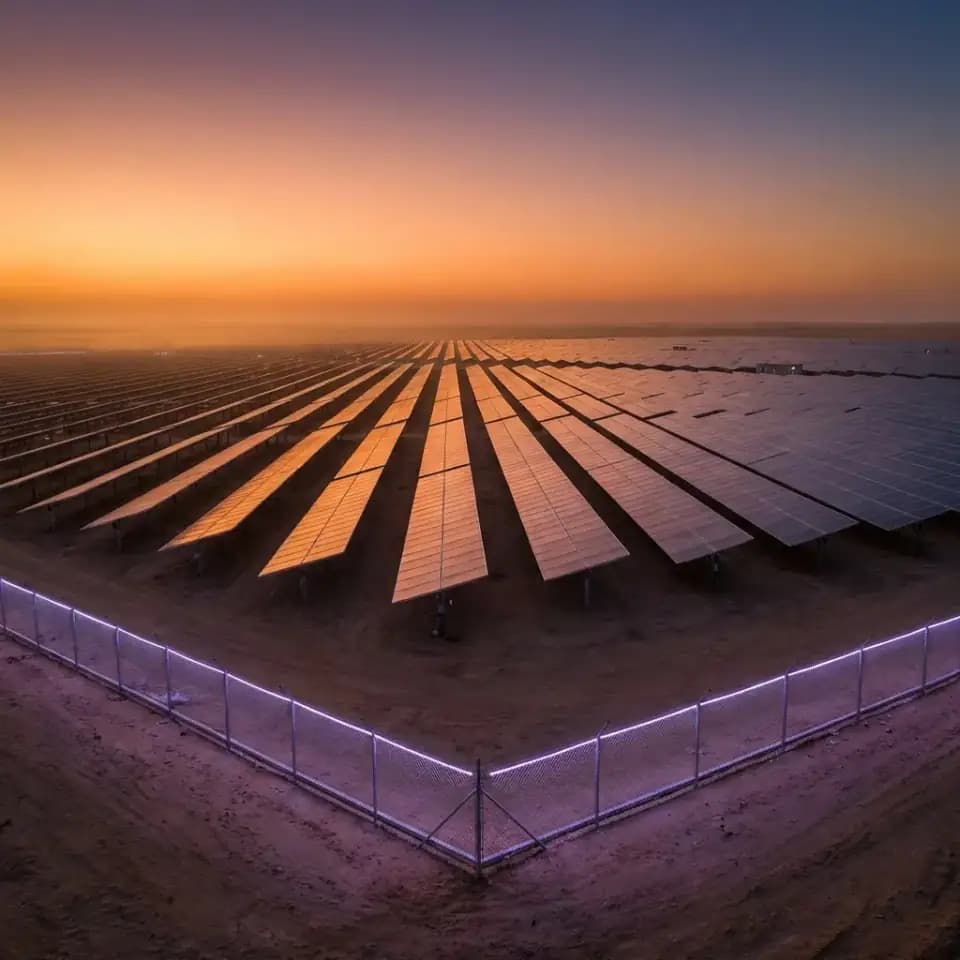
FortSense Solar & Renewables

Solar & Renewables

Perimeter Security Fiber Optics

Solar & Renewables

Autonomous perimeter monitoring for solar plants, protecting against theft of panels, copper cables, and inverters.

Ideal for applications in Missouri

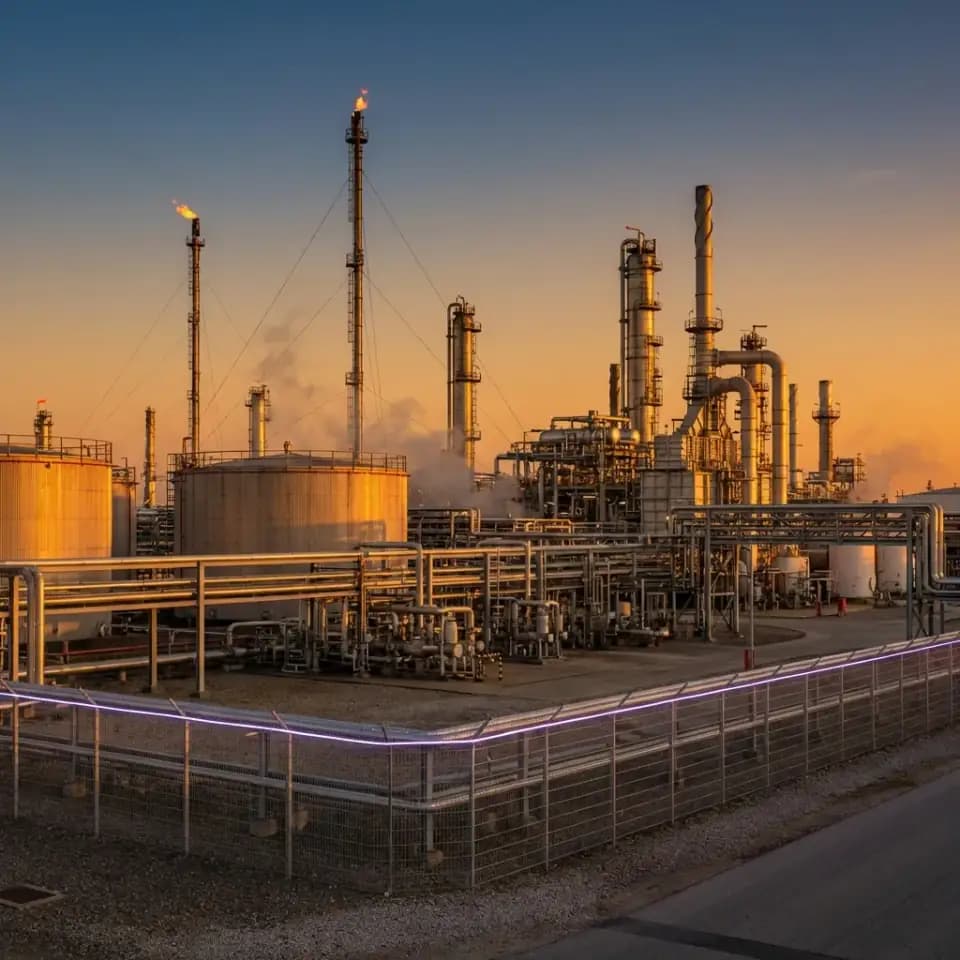
FortSense Oil & Gas

Oil & Gas

Perimeter Security Fiber Optics

Oil & Gas

Intrinsically safe perimeter detection for refineries, chemical plants, and fuel storage depots.

Ideal for applications in Missouri

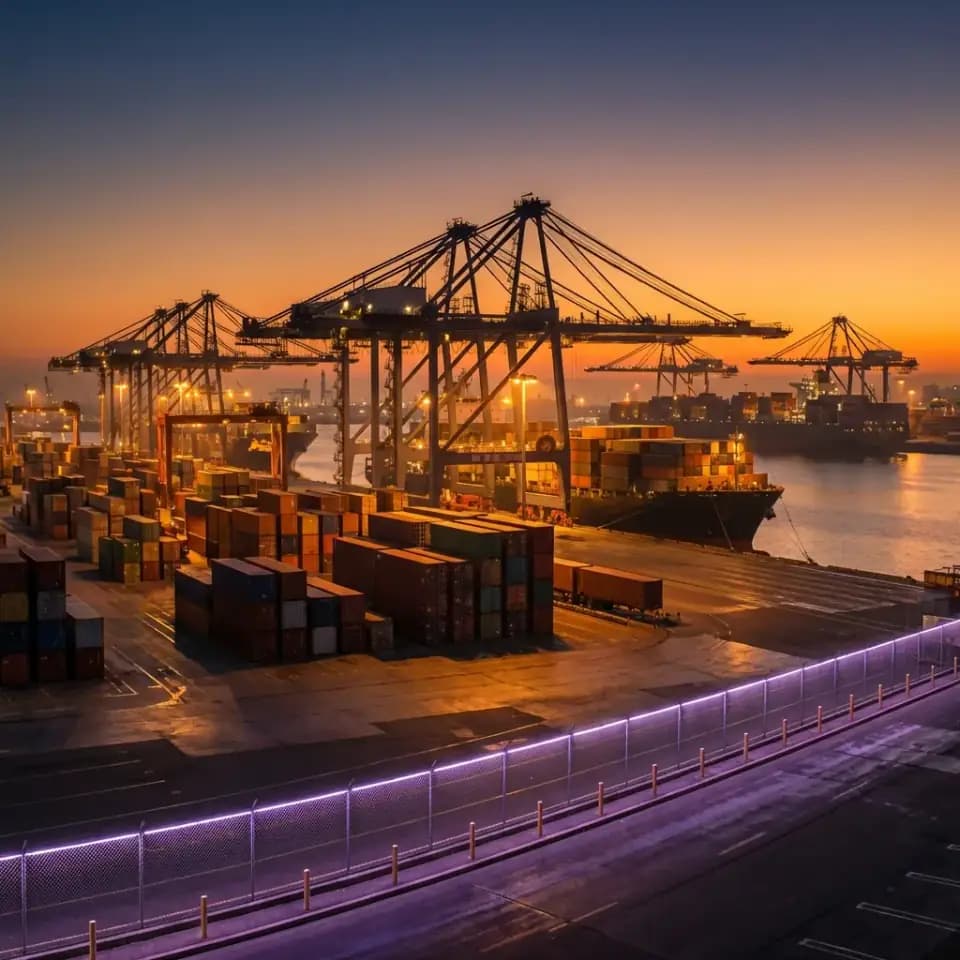
FortSense Ports & Maritime

Ports & Maritime

Perimeter Security Fiber Optics

Ports & Maritime

ISPS-compliant security for cargo containers, fuel depots, and docked vessels in harsh marine environments.

Ideal for applications in Missouri

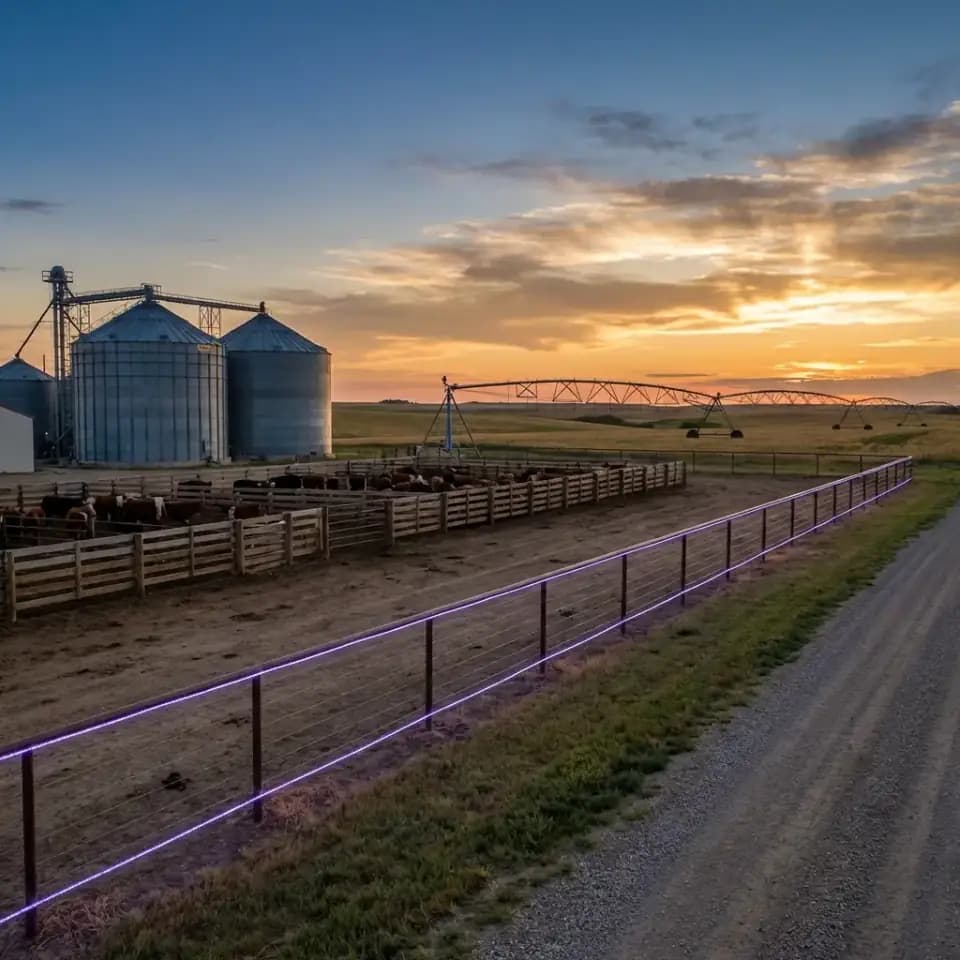
FortSense Agriculture

Agriculture

Perimeter Security Fiber Optics

Agriculture

Fire detection and security for farms, livestock pens, pivot irrigation systems, and rural assets.

Ideal for applications in Missouri

FortSense Financial Sector

Financial Sector

Perimeter Security Fiber Optics

Financial Sector

High-security perimeter protection for banks, vaults, administrative centers, and ATM areas.

Ideal for applications in Missouri

FortSense Residential Condominiums

Residential Condominiums

Perimeter Security Fiber Optics

Residential Condominiums

Invisible security for gated communities and apartment complexes, preserving aesthetics while detecting intrusions.

Ideal for applications in Missouri

FortSense Distribution Centers

Distribution Centers

Perimeter Security Fiber Optics

Distribution Centers

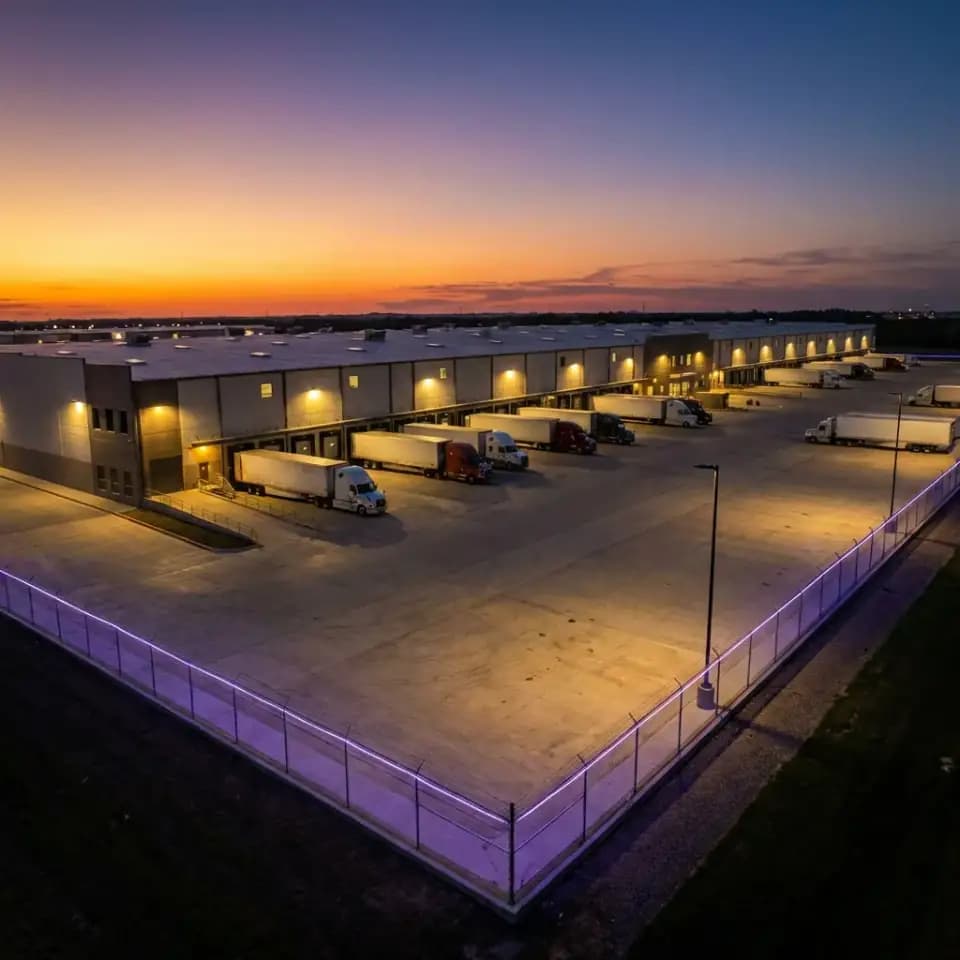
Security for logistics parks, warehouses, and high-value storage areas, meeting TAPA security standards.

Ideal for applications in Missouri

FortSense Critical Infrastructure

Critical Infrastructure

Perimeter Security Fiber Optics

Critical Infrastructure

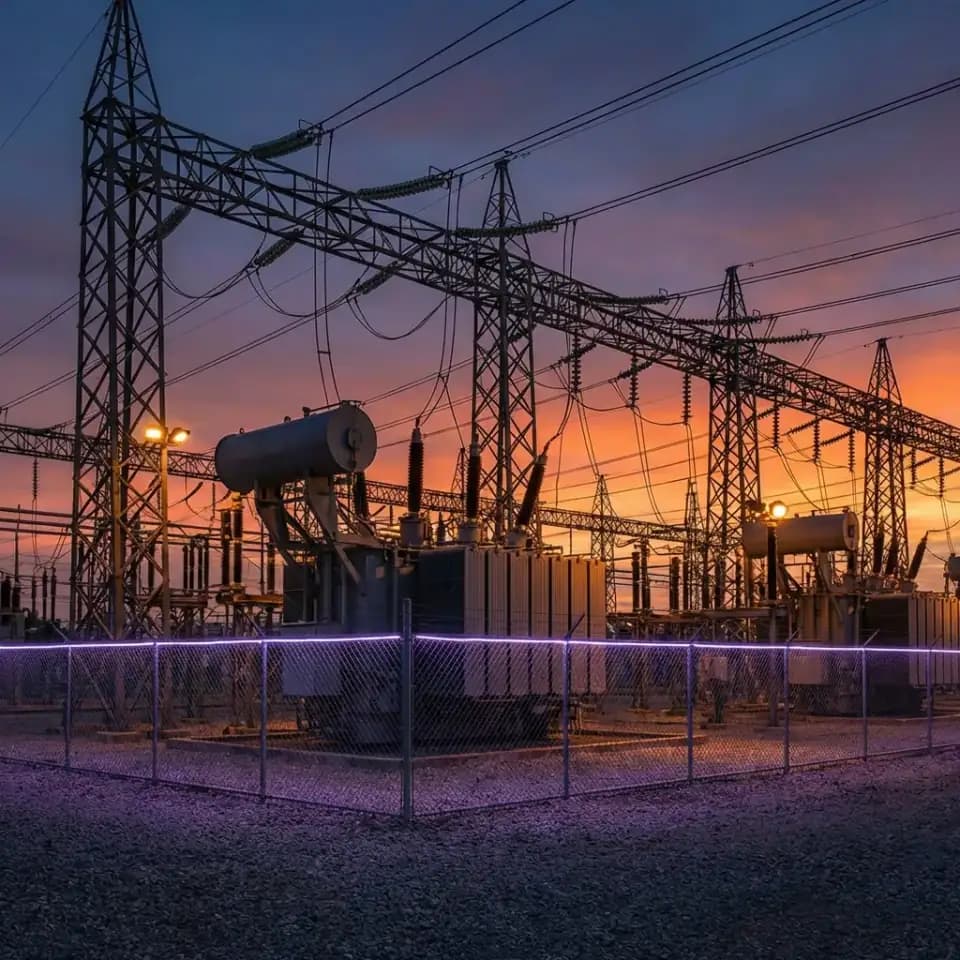
EMI-immune monitoring for electrical substations, telecom towers, and unmanned critical assets.

Ideal for applications in Missouri

FortSense Corrections & Prisons

Corrections & Prisons

Perimeter Security Fiber Optics

Corrections & Prisons

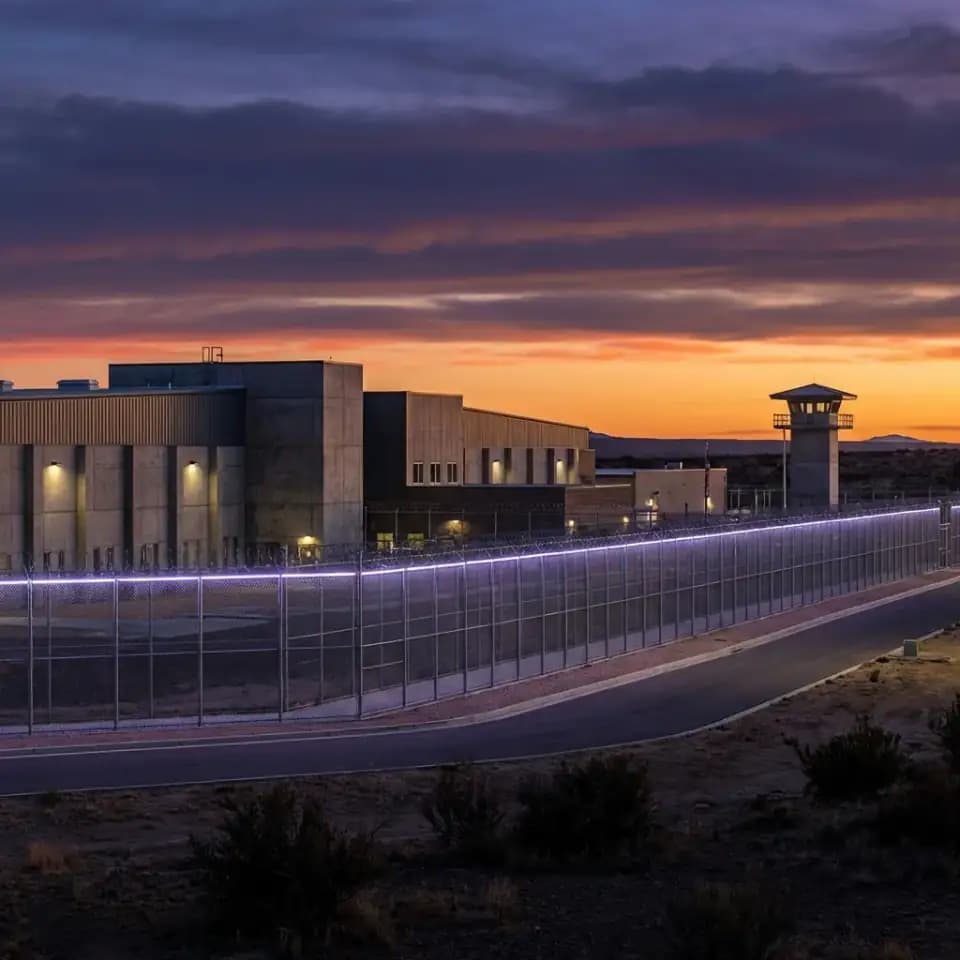
Zero-tolerance perimeter security for correctional facilities, detecting escape attempts and breaches.

Ideal for applications in Missouri

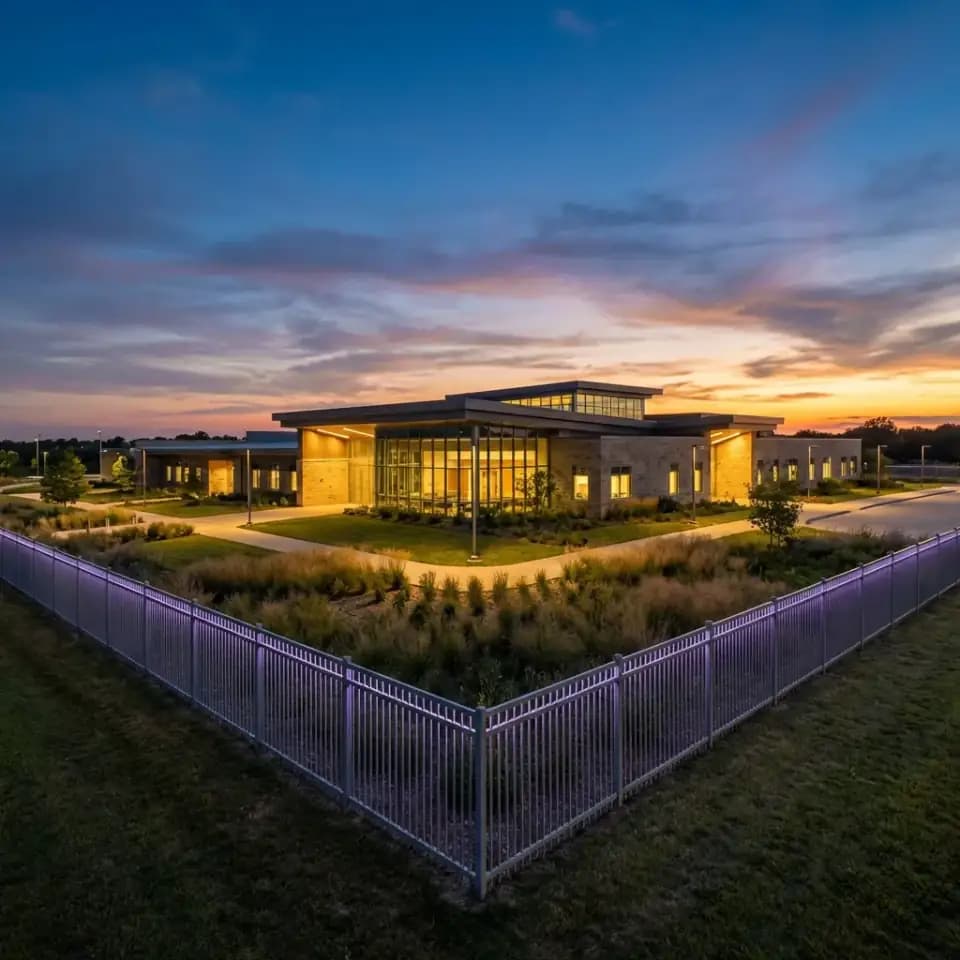
FortSense Public Sector & Schools

Public Sector & Schools

Perimeter Security Fiber Optics

Public Sector & Schools

Non-invasive security for schools, government buildings, and public facilities with rapid lockdown protocols.

Ideal for applications in Missouri

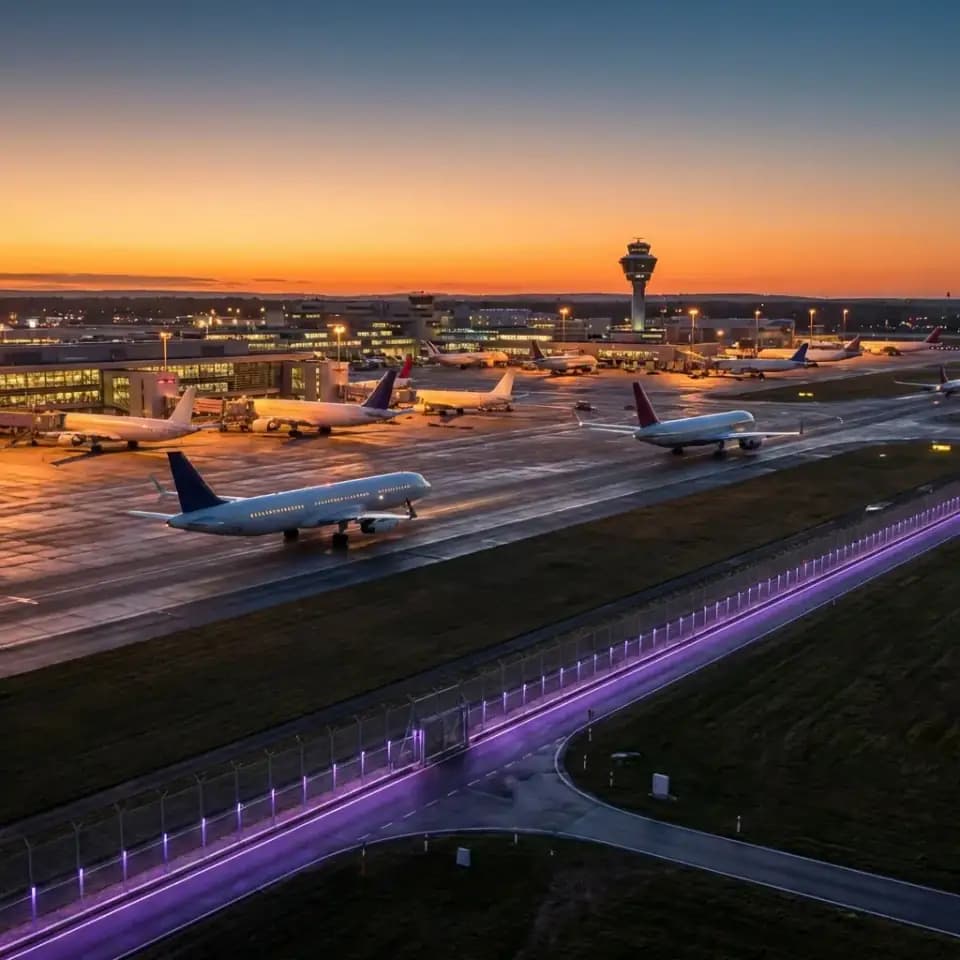
FortSense Perimeter Security for Airports

Perimeter Security for Airports

Perimeter Security Fiber Optics

Perimeter Security for Airports

ICAO-compliant sterile zone enforcement with zero interference to airport radar and navigation systems.

Ideal for applications in Missouri

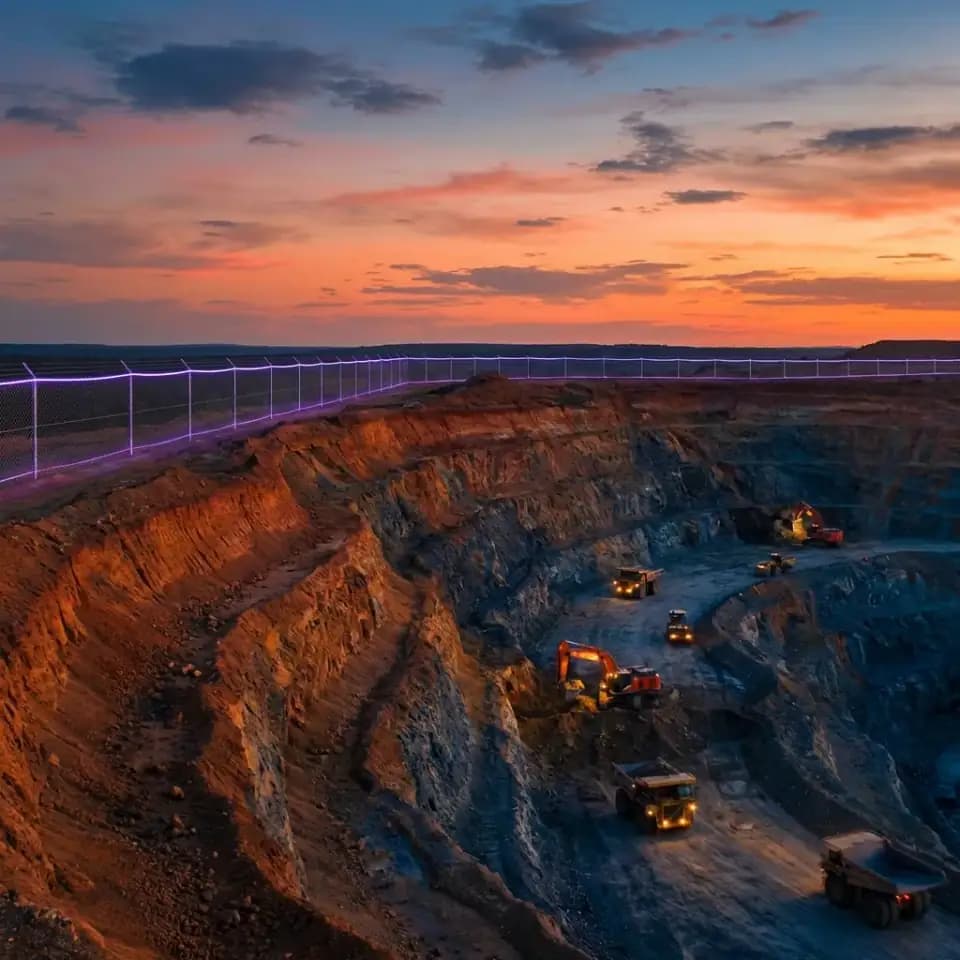
FortSense Mining Operations

Mining Operations

Perimeter Security Fiber Optics

Mining Operations

Ruggedized perimeter security for open-pit mines, ore stockpiles, and remote mining infrastructure.

Ideal for applications in Missouri

Local service overview

Perimeter Security for Missouri's Logistics Hubs & Defense Corridor

FortSense deploys fiber optic perimeter intrusion detection across Missouri's rail intermodal facilities, aerospace defense plants, and critical intelligence installations.

## Economic & Industrial Landscape

Missouri's strategic position at the geographic center of the continental United States — where the Missouri and Mississippi Rivers converge and where I-70, I-35, I-44, and I-55 intersect — has made it one of America's premier logistics and transportation hubs. Kansas City ranks as the second-largest rail hub in the United States by tonnage, where BNSF Railway, Union Pacific, Norfolk Southern, and Canadian Pacific Kansas City (formerly Kansas City Southern) operate massive intermodal terminals and classification yards. The state's dual-city economic model is distinctive: St.

Louis ($180+ billion metro GDP) and Kansas City ($140+ billion metro GDP) function as complementary engines, with St. Louis anchoring defense and financial services and Kansas City driving logistics and technology.

The defense aerospace sector is Missouri's most strategically significant industry. Boeing Defense, Space & Security — headquartered in Berkeley, a St. Louis suburb — manufactures the F-15 Eagle, F/A-18 Super Hornet, T-7A Red Hawk trainer, and MQ-25 Stingray autonomous refueling drone at its massive St. Louis complex. This single manufacturing center produces more advanced military aircraft than any other facility in the Western Hemisphere.

Automotive manufacturing contributes substantially, with General Motors' Wentzville Assembly Plant producing full-size vans and mid-size trucks, and Ford's Claycomo Assembly Plant near Kansas City building the best-selling F-150. The agricultural biotechnology sector is anchored by Bayer's crop science division (which acquired Monsanto) headquartered in Creve Coeur, developing seed genetics and agricultural chemicals distributed globally.

## Critical Infrastructure — Named Facilities

Whiteman Air Force Base near Knob Noster houses the entire operational fleet of B-2 Spirit stealth bombers — twenty aircraft valued at approximately $2 billion each, representing one of the most concentrated collections of military value in the world. The 509th Bomb Wing at Whiteman is the only unit operating these nuclear-capable strategic bombers, making the base an extraordinarily high-value target requiring maximum-security perimeter protection. The National Geospatial-Intelligence Agency (NGA) is constructing its new $1. 7 billion western headquarters — Next NGA West — in north St.

Louis, creating a massive classified intelligence facility that will employ thousands of analysts processing satellite imagery and geospatial data for national defense.

The Port of St. Louis is the largest inland port district on the Mississippi River system, with over 100 miles of developed waterfront handling approximately 34 million tons of cargo annually. Fort Leonard Wood in the Missouri Ozarks is the US Army's Maneuver Support Center of Excellence, training Military Police, Engineers, and Chemical, Biological, Radiological, and Nuclear (CBRN) specialists. Kansas City's rail infrastructure includes BNSF's Intermodal Facility in Edgerton, Kansas (adjacent metro), which is the largest intermodal facility in the BNSF network.

Ameren Missouri's Callaway Energy Center nuclear plant near Fulton generates 1,194 megawatts. World Wide Technology, headquartered in Maryland Heights, is one of the largest private companies in the US and operates major technology distribution and integration centers across the metro.

## Security Challenges — Local Patterns

St. Louis has historically ranked among the top US cities for violent crime per capita, with homicide rates consistently exceeding 60 per 100,000 residents in the city proper. Property crime, vehicle theft, and carjacking concentrate in neighborhoods adjacent to major industrial and commercial districts, creating spillover security concerns for manufacturing plants, warehousing operations, and transportation infrastructure. Kansas City faces similar elevated crime rates, with property crime and vehicle theft particularly impacting the industrial zones along the I-70 and I-435 corridors.

Both cities experience endemic catalytic converter theft and copper wire theft from construction sites and utility infrastructure.

Cargo theft at railroad yards and along interstate corridors represents a massive financial exposure. Kansas City's rail yards — where four Class I railroads converge — process hundreds of thousands of intermodal containers annually, and organized theft rings target containers during the dwell period between rail and truck transport. The I-70 corridor connecting St. Louis and Kansas City is one of the most heavily traveled freight routes in the nation, with truck stops and staging areas serving as theft targets.

Drug trafficking organizations exploit Missouri's crossroads geography, using I-44, I-70, and I-35 as primary distribution routes, driving associated property crime in surrounding communities. The B-2 fleet at Whiteman AFB and the NGA's classified operations demand security perimeters that meet the most stringent Department of Defense requirements.

## Why Fiber Optic PIDS Here

Missouri's position as a logistics crossroads creates perimeter security challenges characterized by vast, distributed assets exposed to significant weather variability. The state sits in the heart of Tornado Alley — the Joplin EF5 tornado of 2011 killed 158 people and destroyed over 7,000 buildings, demonstrating the catastrophic weather potential. Missouri and Mississippi River flooding periodically inundates industrial areas (the Great Flood of 1993 caused $20 billion in regional damage), and ice storms regularly down power lines and disable electronic equipment. Temperature extremes range from -20°F to 110°F.

Fiber optic PIDS technology withstands this full environmental spectrum without the maintenance failures that plague electronic sensors, radar systems, and thermal cameras in Missouri's four-season assault on infrastructure.

The scale and sensitivity of Missouri's assets align particularly well with fiber optic detection capabilities. Boeing's St. Louis defense complex — where export-controlled fighter jet production occurs — requires perimeter detection that cannot be defeated by electromagnetic spoofing and generates no emissions that could be intercepted. Whiteman AFB's B-2 bomber parking and maintenance areas demand the highest-confidence intrusion detection available, with zero tolerance for false negatives across mile-long perimeters.

Kansas City's intermodal rail yards need cost-effective coverage across massive acreage where individual container theft represents losses averaging $200,000–$400,000 per incident. The NGA's Next NGA West campus requires classified-facility-grade perimeter detection integrated with multi-layered security architectures. Fiber optic sensing cable addresses all these requirements with a single technology platform.

## Deployment Context

Missouri installations must accommodate the state's diverse terrain, from flat river bottoms subject to seasonal flooding (requiring elevated cable runs or flood-rated burial techniques) to rocky Ozark terrain at Fort Leonard Wood that complicates trenching. Coordination with railroad right-of-way regulations (Federal Railroad Administration guidelines) is essential for intermodal facility perimeter installations.

Defense facility deployments at Whiteman AFB, Fort Leonard Wood, and NGA West must comply with UFC 4-022-01 (Security Engineering: Entry Control Facilities/Access Control Points) and related AT/FP standards. Missouri's major metropolitan areas have robust fiber optic connectivity supporting real-time centralized monitoring, while rural installations near Fort Leonard Wood and Whiteman AFB may require dedicated communication links.

Professional perimeter protection for distribution centers, manufacturing, and critical infrastructure in Missouri.

  • Cold Storage & Warehouse Perimeter
  • Fleet Parking & Trailer Yard Protection
  • Warehouse Complex & Distribution Center
  • Rail & Intermodal Logistics Centers

Plan a FortSense assessment for this market

Share the perimeter length, fence type, and monitoring workflow. FortSense can help scope zones, integration points, and commissioning requirements for this location.

Services

Cold Storage & Warehouse Perimeter

All-weather fiber optic fencing for cold storage facilities (-40°C rated), distribution warehouses, and fulfillment centers with zone-based alarm priority.

Fleet Parking & Trailer Yard Protection

Overnight fleet parking and trailer yard security with cargo theft deterrence, real-time alarm zones, and integration with yard management systems.

Warehouse Complex & Distribution Center

Multi-zone fiber optic fencing for warehouse complexes and distribution centers with integration to inventory management and access control systems.

Deployment patterns for local sites

How FortSense Works in Missouri

Fiber optic perimeter security adapted to local conditions and requirements.

  1. Fiber installed. Passive fiber optic cable mounts on the existing fence or wall with minimal civil work.
  2. Vibration detected. Any contact creates vibration patterns in the fiber so climbing, cutting, or lifting attempts become visible immediately.
  3. AI/DSP verification. Algorithms filter out wind, animals, and environmental noise before an operator ever sees an alarm.
  4. Alarm if intrusion. Only real threats trigger zone-based alarms that can route into the monitoring workflow already used by the site team.

Adapted for Missouri. Our local partners understand Missouri's climate, terrain, and security challenges. The fiber optic system is configured to filter local environmental conditions while maintaining maximum sensitivity to real intrusion attempts.

Integration and security software fit

FortSense can feed alarms into the monitoring stack a site already uses, including VMS, PSIM, alarm panels, relay inputs, TCP/IP workflows, and camera verification.

  • Zone-based alarms for operators and guard teams
  • Camera and VMS workflows for visual verification
  • Relay or network outputs for existing security systems
  • Software-assisted filtering before dispatch decisions

Industries in this market

Relevant FortSense industry and use-case paths connected to this location.

  • Rail & Intermodal Logistics Centers
  • Aerospace & Defense Manufacturing
  • Federal Intelligence & Military Installations
  • Distribution Center Perimeter Security
  • Solar Farm Perimeter Security
  • Perimeter Security for Critical Infrastructure

Why FortSense fits in Perimeter Security in Missouri

FortSense is designed for perimeter security work where false-alarm reduction, passive fiber sensing, and practical integration matter more than adding another camera-only layer.

  • Passive fiber on existing fences, walls, or perimeter structures
  • AI/DSP filtering for wind, vibration, and environmental noise
  • Zone-level alerts that can match the site's response model
  • Support for design, integration, commissioning, and handover

Market notes

Practical details that help this page stay specific to the market instead of drifting into generic copy.

  • Rail & Intermodal Logistics Centers
  • Aerospace & Defense Manufacturing
  • Federal Intelligence & Military Installations
  • Cold Storage & Warehouse Perimeter

Related FortSense paths

Related technical content and commercial guidance linked from this location page.

Frequently Asked Questions (FAQ)

Frequently Asked Questions (FAQ) — Missouri

Can the system integrate with existing yard management and VMS platforms?

Yes. FortSense integrates via TCP/IP, ONVIF, and dry contact relays with major VMS platforms (Milestone, Genetec, Avigilon), yard management systems, and access control. Camera slew-to-cue provides instant visual verification of perimeter alarms.

What about shift changes and high-traffic periods at loading docks?

Dock zones can be configured with time-based sensitivity profiles — lower sensitivity during active loading/unloading shifts and full sensitivity during off-hours. This dramatically reduces nuisance alarms while maintaining security when the facility is less active.

How fast can the system be deployed on a new logistics facility?

Typical installation takes 1-3 weeks for a standard warehouse or distribution center. The fiber cable attaches directly to existing perimeter fencing — no trenching or foundation work required. Most facilities are operational within days of cable installation.

How quickly can the system be relocated if manufacturing operations move?

FortSense cable can be removed and reinstalled at a new location. The fiber sensor is reusable, and recalibration at the new site takes 1-2 weeks. This flexibility is valuable for manufacturers with changing facility footprints or lease agreements.

How does the system adapt to seasonal weather changes?

FortSense continuously learns and adapts to seasonal conditions — from summer heat to winter cold, rain to snow. The algorithm automatically adjusts detection baselines as weather patterns change, maintaining consistent performance year-round without manual intervention.

Local perimeter assessment

Request Perimeter Assessment in Missouri

Receive a technical proposal, deployment design, and integration plan.

Perimeter Security for Missouri's Logistics Hubs & Defense…