


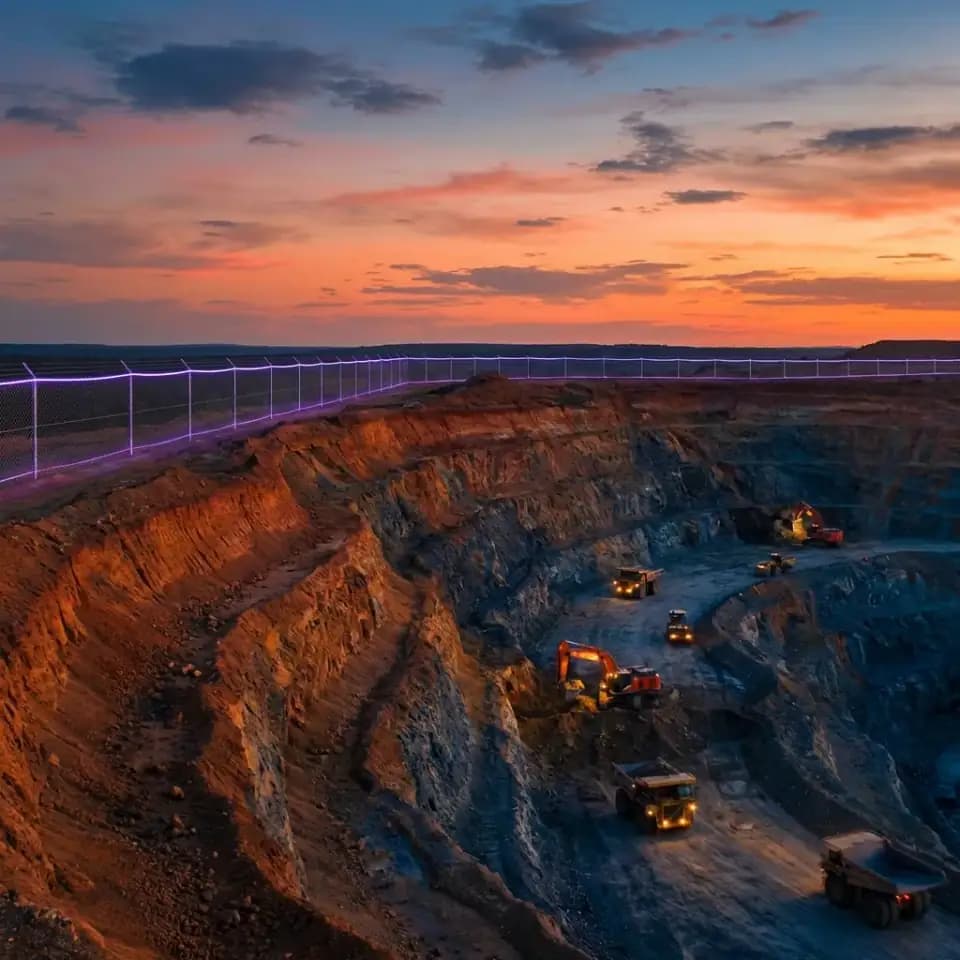
Fiber Optic Perimeter Security in Montana: Perimeter Security for Montana's Mining Operations & ICBM Fields

Protecting America's only platinum mine, Bakken oil operations, and the Minuteman III missile field spanning 13,800 square miles — in some of the harshest conditions on the continent.

Applications

Perimeter Security Fiber Optics Ideal for Applications in Montana

FortSense Solar & Renewables

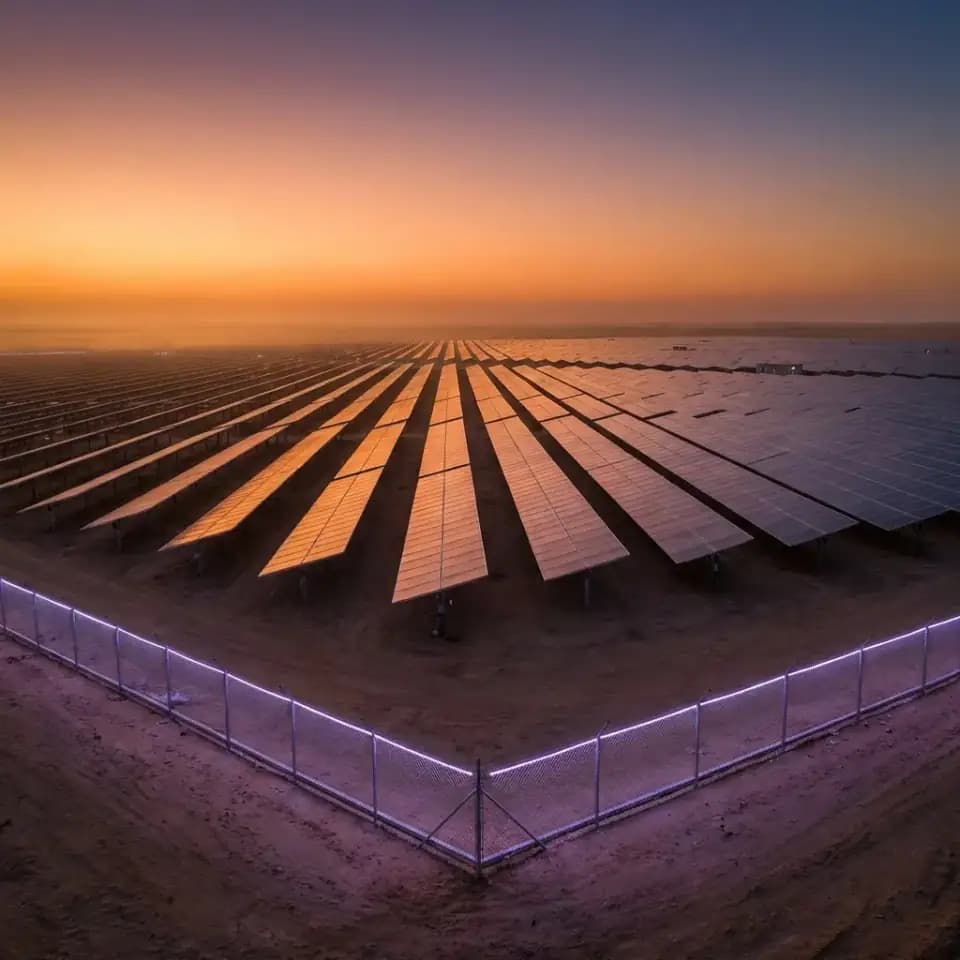
Solar & Renewables

Perimeter Security Fiber Optics

Solar & Renewables

Autonomous perimeter monitoring for solar plants, protecting against theft of panels, copper cables, and inverters.

Ideal for applications in Montana

FortSense Oil & Gas

Oil & Gas

Perimeter Security Fiber Optics

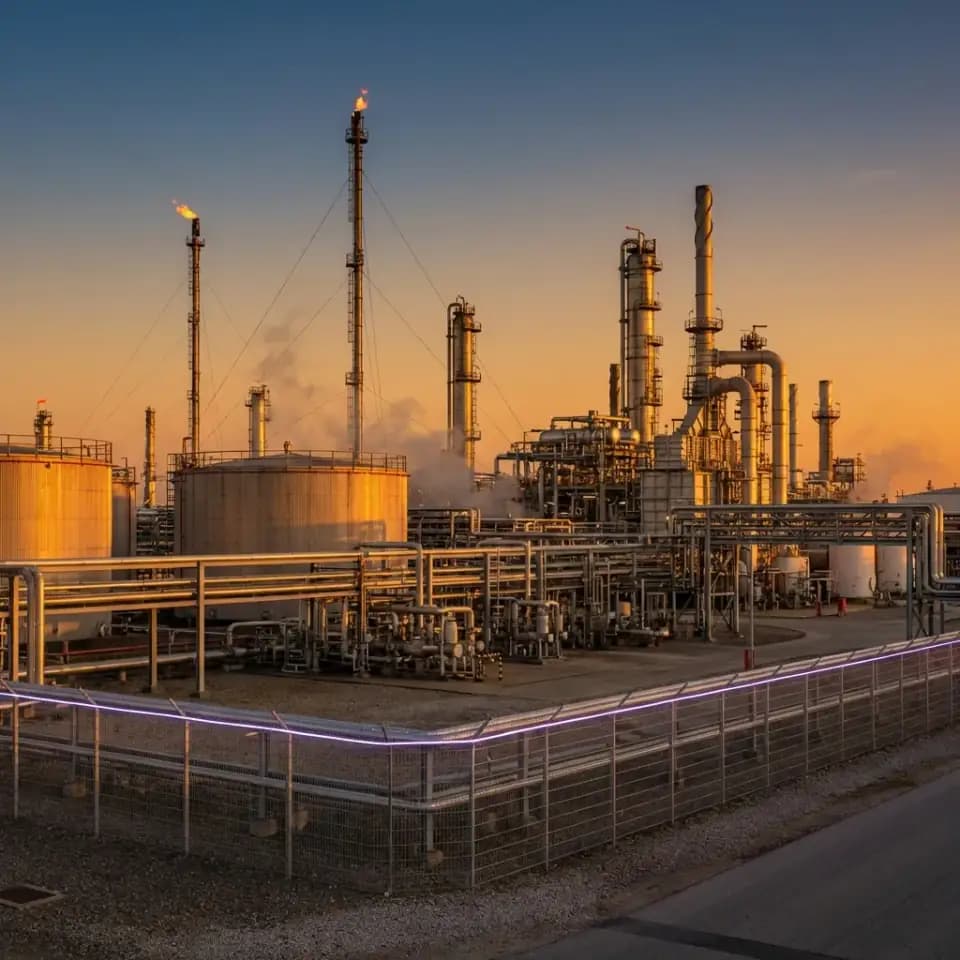
Oil & Gas

Intrinsically safe perimeter detection for refineries, chemical plants, and fuel storage depots.

Ideal for applications in Montana

FortSense Ports & Maritime

Ports & Maritime

Perimeter Security Fiber Optics

Ports & Maritime

ISPS-compliant security for cargo containers, fuel depots, and docked vessels in harsh marine environments.

Ideal for applications in Montana

FortSense Agriculture

Agriculture

Perimeter Security Fiber Optics

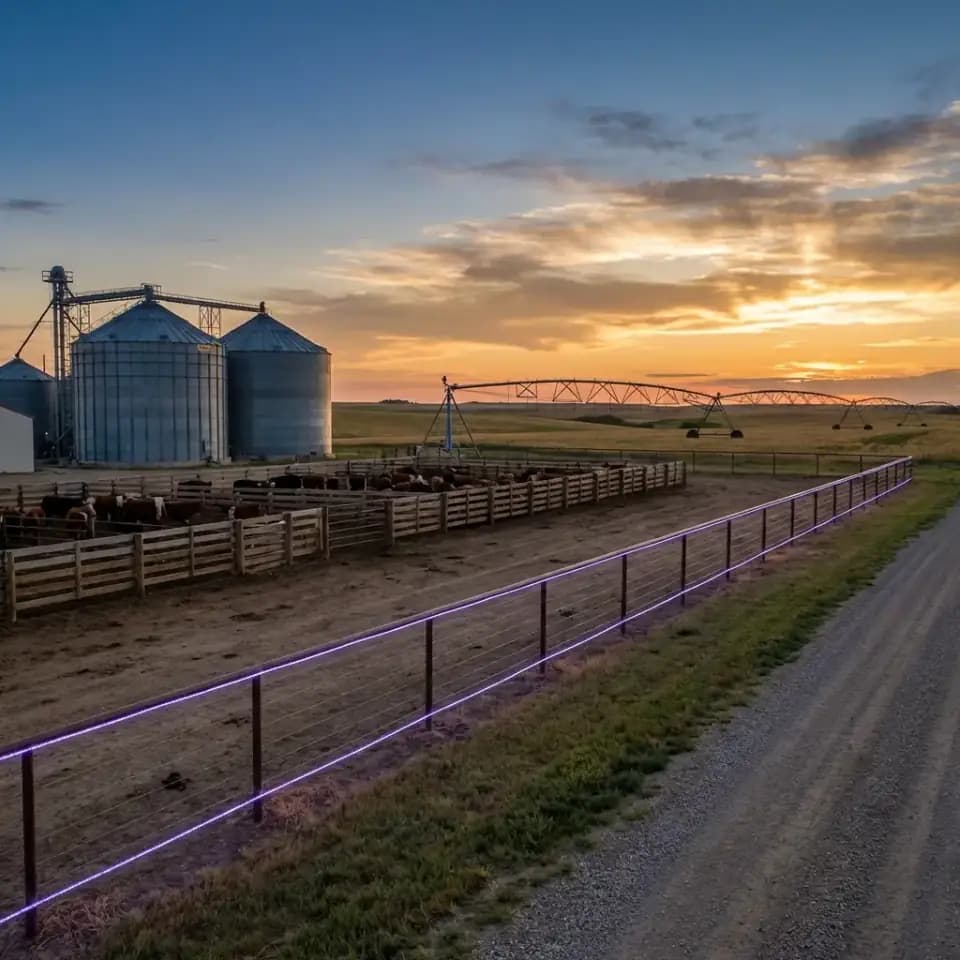
Agriculture

Fire detection and security for farms, livestock pens, pivot irrigation systems, and rural assets.

Ideal for applications in Montana

FortSense Financial Sector

Financial Sector

Perimeter Security Fiber Optics

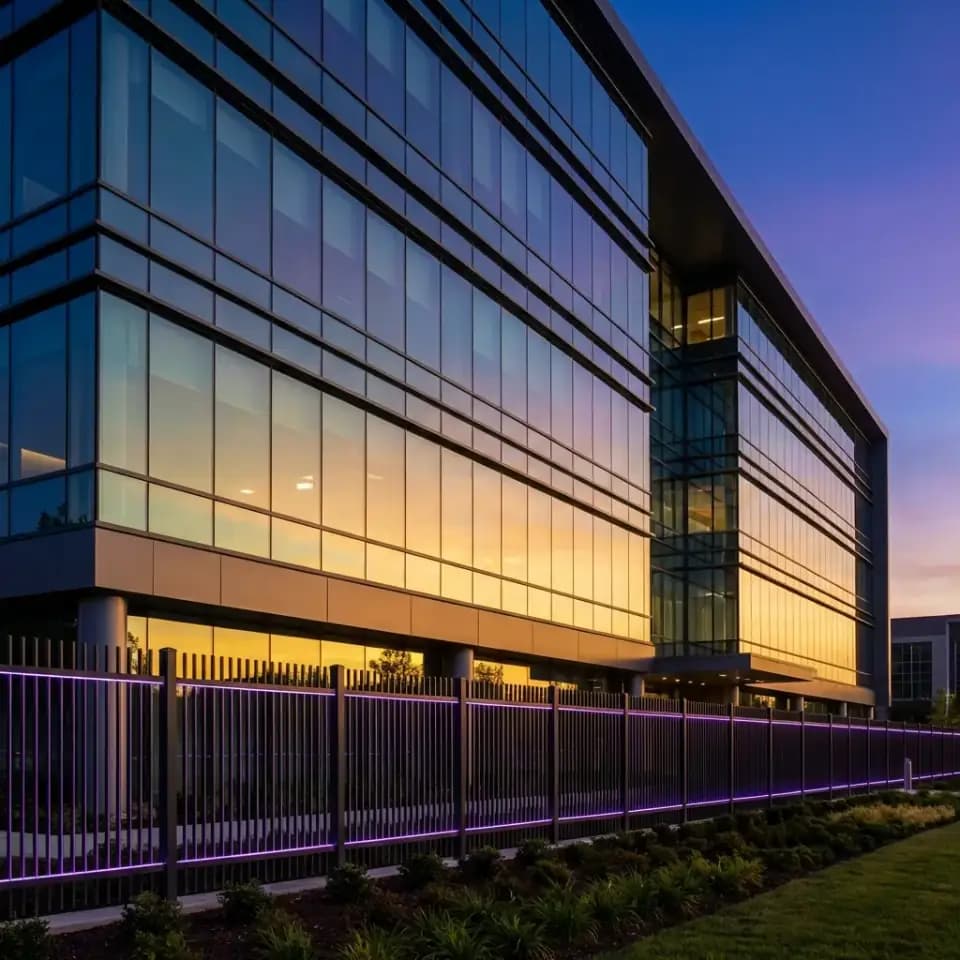
Financial Sector

High-security perimeter protection for banks, vaults, administrative centers, and ATM areas.

Ideal for applications in Montana

FortSense Residential Condominiums

Residential Condominiums

Perimeter Security Fiber Optics

Residential Condominiums

Invisible security for gated communities and apartment complexes, preserving aesthetics while detecting intrusions.

Ideal for applications in Montana

FortSense Distribution Centers

Distribution Centers

Perimeter Security Fiber Optics

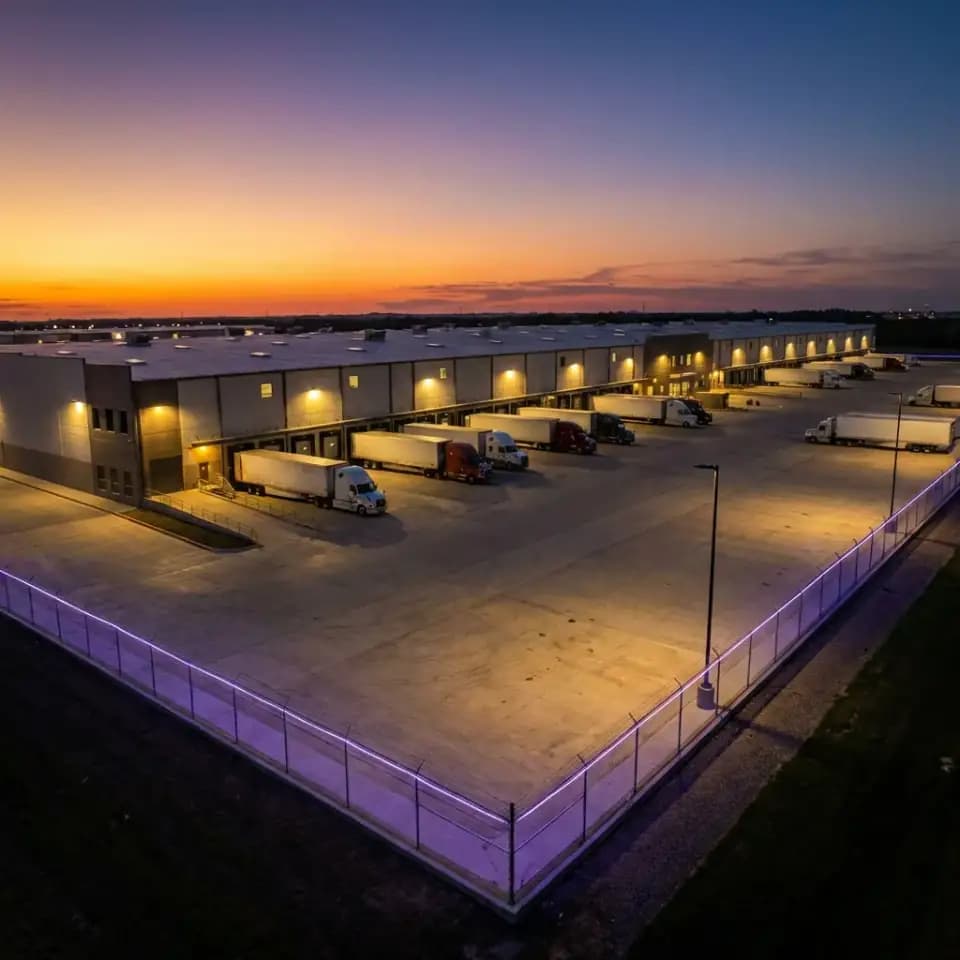
Distribution Centers

Security for logistics parks, warehouses, and high-value storage areas, meeting TAPA security standards.

Ideal for applications in Montana

FortSense Critical Infrastructure

Critical Infrastructure

Perimeter Security Fiber Optics

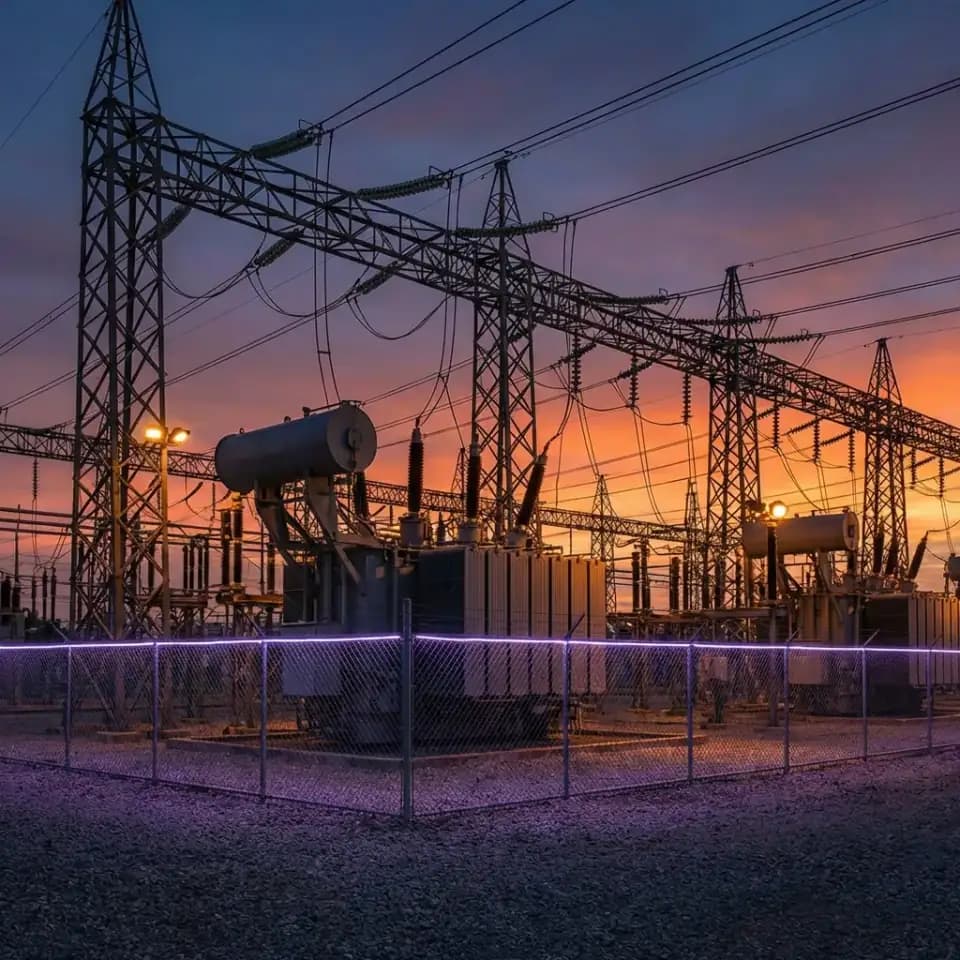
Critical Infrastructure

EMI-immune monitoring for electrical substations, telecom towers, and unmanned critical assets.

Ideal for applications in Montana

FortSense Corrections & Prisons

Corrections & Prisons

Perimeter Security Fiber Optics

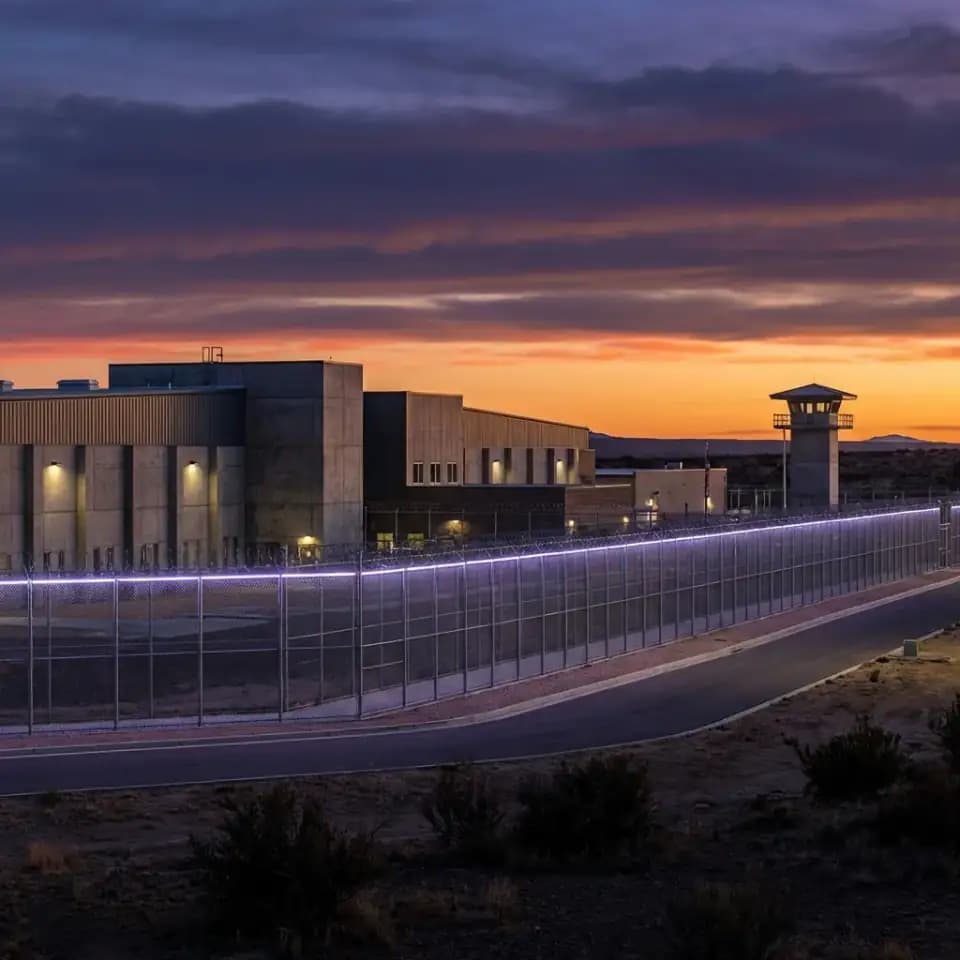
Corrections & Prisons

Zero-tolerance perimeter security for correctional facilities, detecting escape attempts and breaches.

Ideal for applications in Montana

FortSense Public Sector & Schools

Public Sector & Schools

Perimeter Security Fiber Optics

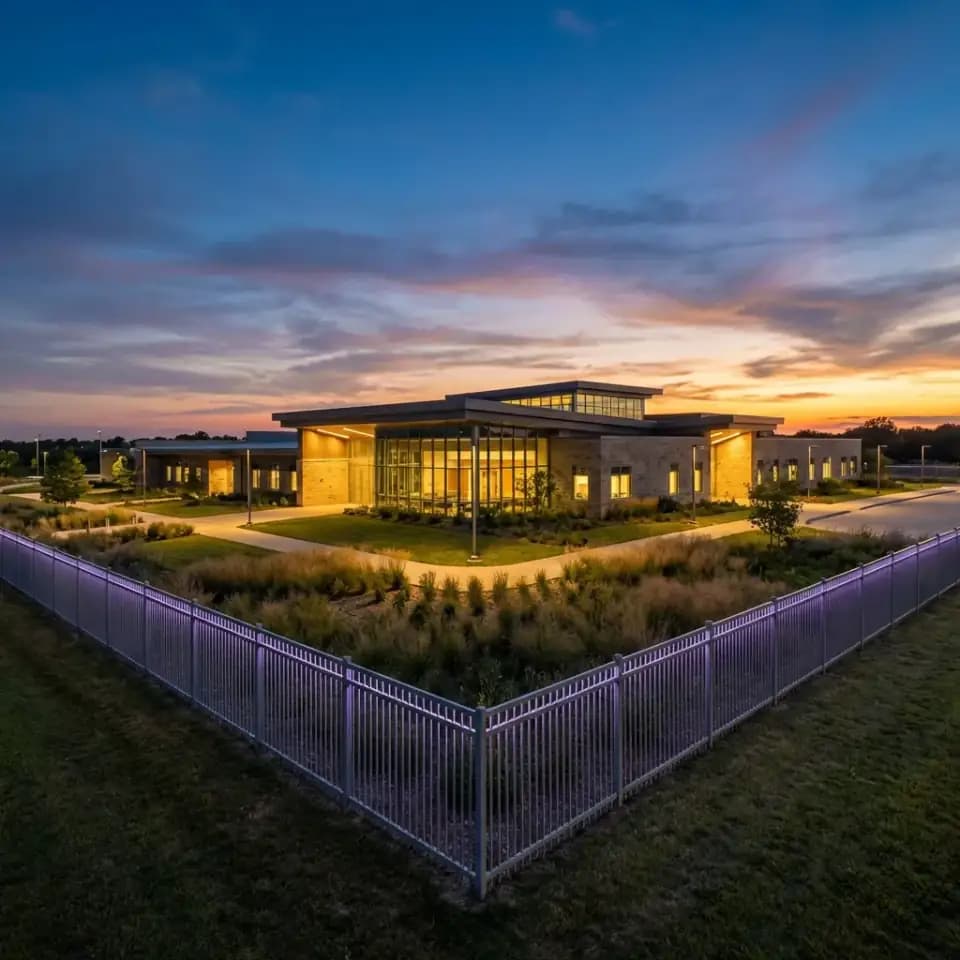
Public Sector & Schools

Non-invasive security for schools, government buildings, and public facilities with rapid lockdown protocols.

Ideal for applications in Montana

FortSense Perimeter Security for Airports

Perimeter Security for Airports

Perimeter Security Fiber Optics

Perimeter Security for Airports

ICAO-compliant sterile zone enforcement with zero interference to airport radar and navigation systems.

Ideal for applications in Montana

FortSense Mining Operations

Mining Operations

Perimeter Security Fiber Optics

Mining Operations

Ruggedized perimeter security for open-pit mines, ore stockpiles, and remote mining infrastructure.

Ideal for applications in Montana

Local service overview

Perimeter Security for Montana's Mining Operations & ICBM Fields

FortSense provides fiber optic perimeter intrusion detection for Montana's precious metals mining operations, energy infrastructure, and the nation's largest ICBM missile field at Malmstrom AFB.

## Economic & Industrial Landscape

Montana's economy is built on the extraction and processing of natural resources across the fourth-largest state by land area. The state holds a distinction shared by no other: it is the sole domestic source of platinum group metals (PGMs). Sibanye-Stillwater operates the Stillwater Mine in Nye and the East Boulder Mine near Big Timber, producing palladium and platinum essential for automotive catalytic converters, electronics, fuel cells, and medical devices.

With global PGM supply concentrated in South Africa and Russia, Montana's mines are classified as strategically critical to US national security by the Department of Defense, receiving attention from both the Defense Logistics Agency and the US Geological Survey as irreplaceable domestic resources.

Energy production is equally foundational. Montana's three oil refineries — ExxonMobil Billings Refinery, CHS Laurel Refinery, and Calumet Specialty Products Partners refinery in Great Falls — process crude oil from the Bakken formation and serve as the primary fuel supply for the northern Rockies and adjacent states. The Bakken oil play extends into eastern Montana, with active drilling operations in Richland, Roosevelt, and Sheridan counties.

Coal mining remains significant, with Signal Peak Energy's underground mine near Roundup ranking among the most productive in the nation and the Colstrip Power Plant's two remaining 700-megawatt units generating electricity for utilities across the Pacific Northwest. Spring Creek Mine near Decker, operated by Navajo Transitional Energy Company, ships coal to power plants across the western United States via BNSF Railway.

## Critical Infrastructure — Named Facilities

Malmstrom Air Force Base in Great Falls is one of only three US Air Force installations operating intercontinental ballistic missiles, with the 341st Missile Wing maintaining 150 Minuteman III ICBMs deployed across a missile field spanning approximately 13,800 square miles — larger than the state of Maryland.

This missile field, consisting of isolated launch facilities (silos) connected to 15 Missile Alert Facilities scattered across north-central Montana's prairies, represents one of the three legs of America's nuclear triad and arguably the single most extensive security perimeter challenge in the continental United States. Each launch facility requires intrusion detection and access monitoring in extremely remote locations accessible only by unpaved roads.

The Sibanye-Stillwater mining complex near Nye and Big Timber operates in rugged mountainous terrain along the Beartooth Range, with the Stillwater Mine accessing ore deposits via underground shafts extending thousands of feet. These facilities process roughly 500,000 ounces of PGMs annually. The BNSF Railway Hi-Line route across northern Montana is a vital transcontinental freight corridor, carrying grain, oil, and coal in unit trains stretching a mile or more. The Yellowstone Pipeline carries refined petroleum products from Billings-area refineries to markets in Montana, Washington, and Idaho.

Montana's growing wind energy sector includes the Rimini and Gordon Butte wind projects, while the state's 545-mile border with Canada — much of it through wilderness — requires monitoring for both security and customs enforcement purposes.

## Security Challenges — Local Patterns

Montana's defining security challenge is remoteness. The state's population density of approximately 7. 5 people per square mile — among the lowest in the nation — means that mining operations, pipeline infrastructure, and military installations are often situated hours from the nearest law enforcement response. The Malmstrom missile field's launch facilities are dispersed across empty prairies where intruders could approach from any direction with minimal risk of observation.

ICBM silo security has been a recurring concern: in documented incidents, unauthorized individuals have breached outer perimeter barriers at launch facilities, with response times measured in tens of minutes from the nearest security forces.

Precious metals theft from mining operations is a persistent concern given platinum's value exceeding $1,000 per ounce and palladium trading above $900 per ounce. Oil field equipment theft in the Bakken region — including wellhead components, generators, tools, and copper wiring — mirrors challenges seen across North Dakota. Pipeline infrastructure crossing Montana's vast landscapes is vulnerable to both vandalism and environmental protest activity, as demonstrated by years of opposition to the Keystone XL pipeline route through the state.

Agricultural equipment theft from the state's large cattle ranches and wheat farms (Montana ranks in the top five nationally for wheat production) affects rural communities. The US-Canada border in Montana passes through some of the most remote terrain on the entire international boundary, with smuggling of drugs, firearms, and undocumented persons exploiting minimal physical barriers.

## Why Fiber Optic PIDS Here

Montana represents perhaps the most compelling use case for fiber optic PIDS technology in the United States, combining extreme environmental conditions with vast distances and high-value assets. Winter temperatures reach -40°F to -50°F in eastern Montana, with blizzard conditions persisting for days. Chinook winds can cause temperature swings of 50°F or more within hours, creating thermal cycling that rapidly fatigues electronic components. Wildfire seasons have grown increasingly severe, with fires threatening both infrastructure and the communication networks that support remote security systems.

Fiber optic sensing cable is inherently fireproof (glass fiber melts at over 3,000°F), operates with zero sensitivity to temperature extremes, and requires no distributed electrical power — making it the only practical detection technology for Montana's most remote installations.

The Malmstrom missile field's 13,800-square-mile footprint illustrates why conventional perimeter security is insufficient. Electronic sensor systems at 150+ dispersed locations would require enormous maintenance logistics to keep operational through Montana winters, with each site accessible only via roads that may be impassable during blizzards. Fiber optic cable buried along approach routes or integrated into existing fence lines at launch facilities provides continuous monitoring without battery replacement, electronic component failure, or weather-induced false alarms.

Similarly, Sibanye-Stillwater's mining operations in mountainous terrain require detection that functions through heavy snowpack, avalanche conditions, and extreme cold without the maintenance burden of distributed electronic sensors accessible only by rough mountain roads.

## Deployment Context

Montana PIDS deployments demand the most robust cold-weather engineering in the domestic market. Frost depth in northern Montana exceeds 60 inches, requiring either deep-burial cable installation during the brief summer construction season (June through September) or engineered above-ground mounting on frost-resistant posts.

Cable selection must account for rodent protection (pocket gophers are particularly destructive to underground cables), UV resistance for above-ground runs exposed to Montana's intense high-altitude solar radiation, and lightning protection given the state's severe thunderstorm activity on the eastern plains. For Malmstrom missile field installations, Department of Defense security specifications including UFC 4-020-01 and Air Force Instruction 31-101 govern detection requirements.

Satellite communication backhaul may be necessary for the most remote monitoring points where terrestrial fiber or cellular service is unavailable.

Professional perimeter protection for distribution centers, manufacturing, and critical infrastructure in Montana.

  • Remote Mining Camp Protection
  • Open-Pit & Quarry Perimeter Security
  • Wellhead & Pump Station Security
  • Precious Metals & Critical Mineral Mining

Plan a FortSense assessment for this market

Share the perimeter length, fence type, and monitoring workflow. FortSense can help scope zones, integration points, and commissioning requirements for this location.

Services

Remote Mining Camp Protection

Securing remote worker camps, equipment yards, and explosive storage facilities in isolated locations with satellite-backhaul alarm reporting.

Open-Pit & Quarry Perimeter Security

Blast-resistant fiber optic detection for open-pit mine boundaries, haul roads, and restricted blasting zones with vibration filtering for heavy equipment.

Wellhead & Pump Station Security

Remote wellhead perimeter monitoring across dispersed field operations with solar-powered relay nodes and SCADA integration.

Deployment patterns for local sites

How FortSense Works in Montana

Fiber optic perimeter security adapted to local conditions and requirements.

  1. Fiber installed. Passive fiber optic cable mounts on the existing fence or wall with minimal civil work.
  2. Vibration detected. Any contact creates vibration patterns in the fiber so climbing, cutting, or lifting attempts become visible immediately.
  3. AI/DSP verification. Algorithms filter out wind, animals, and environmental noise before an operator ever sees an alarm.
  4. Alarm if intrusion. Only real threats trigger zone-based alarms that can route into the monitoring workflow already used by the site team.

Adapted for Montana. Our local partners understand Montana's climate, terrain, and security challenges. The fiber optic system is configured to filter local environmental conditions while maintaining maximum sensitivity to real intrusion attempts.

Integration and security software fit

FortSense can feed alarms into the monitoring stack a site already uses, including VMS, PSIM, alarm panels, relay inputs, TCP/IP workflows, and camera verification.

  • Zone-based alarms for operators and guard teams
  • Camera and VMS workflows for visual verification
  • Relay or network outputs for existing security systems
  • Software-assisted filtering before dispatch decisions

Industries in this market

Relevant FortSense industry and use-case paths connected to this location.

  • Precious Metals & Critical Mineral Mining
  • Oil & Gas Production Operations
  • ICBM & Strategic Military Installations
  • Distribution Center Perimeter Security
  • Solar Farm Perimeter Security
  • Perimeter Security for Critical Infrastructure

Why FortSense fits in Perimeter Security in Montana

FortSense is designed for perimeter security work where false-alarm reduction, passive fiber sensing, and practical integration matter more than adding another camera-only layer.

  • Passive fiber on existing fences, walls, or perimeter structures
  • AI/DSP filtering for wind, vibration, and environmental noise
  • Zone-level alerts that can match the site's response model
  • Support for design, integration, commissioning, and handover

Market notes

Practical details that help this page stay specific to the market instead of drifting into generic copy.

  • Precious Metals & Critical Mineral Mining
  • Oil & Gas Production Operations
  • ICBM & Strategic Military Installations
  • Remote Mining Camp Protection

Related FortSense paths

Related technical content and commercial guidance linked from this location page.

Frequently Asked Questions (FAQ)

Frequently Asked Questions (FAQ) — Montana

How is the system maintained in harsh mining environments?

Minimal maintenance is required — the fiber sensor has no moving parts and no electronics in the field. The interrogator unit, located in a protected enclosure, requires only periodic software updates and calibration checks, typically during scheduled shutdowns.

Can FortSense withstand blasting vibrations common in mining operations?

Yes. Our mining-specific algorithm profiles include blast event filtering. When a scheduled blast occurs, the system automatically adjusts sensitivity for the blast zone while maintaining full detection capability on the rest of the perimeter.

How does the system perform in extreme dust and temperature conditions?

The fiber optic sensor cable is immune to dust, EMI, and temperature extremes from -40°C to +70°C. Unlike electronic sensors, fiber has no active components in the field that can degrade from dust infiltration or thermal cycling.

How does the system perform in remote wellhead locations without grid power?

Our remote deployments use solar-powered relay nodes with battery backup. The fiber sensor itself requires zero power in the field — only the interrogator needs electricity, which can be located at a powered facility up to 80 km away from the sensing zone.

How does the system handle blizzard and whiteout conditions?

FortSense operates at full capability during blizzards when cameras and visual systems are useless. The fiber detects intrusion by physical vibration — completely independent of visibility. This makes it the preferred detection technology for cold-climate facilities.

Local perimeter assessment

Request Perimeter Assessment in Montana

Receive a technical proposal, deployment design, and integration plan.

Perimeter Security for Montana's Mining Operations & ICBM…