Local service overview
Perimeter Intrusion Detection for Washington's Ports & Defense Installations
FortSense protects Washington State's Naval Base Kitsap submarine facilities, Boeing Everett factory, and Seattle-Tacoma container port complex with fiber optic perimeter detection.
## Economic & Industrial Landscape
Washington State generates approximately $680 billion in gross domestic product, powered by some of the world's most valuable technology companies and a strategic position as America's primary gateway for Pacific Rim trade. Microsoft maintains its global headquarters campus in Redmond, Amazon is headquartered in Seattle with multiple downtown towers, and Google, Meta, and Apple all operate significant engineering offices in the Seattle-Bellevue corridor.
Boeing's commercial airplane division, though its corporate headquarters relocated, maintains its manufacturing heart in Washington: the Everett factory is the largest building by volume in the world, producing widebody aircraft including the 777 and 787 Dreamliner, while the Renton factory assembles the 737 MAX. Blue Origin, Jeff Bezos's space company, operates its headquarters and rocket factory in Kent.
The military footprint in Washington is massive. Joint Base Lewis-McChord south of Tacoma is one of the largest military installations in the United States, supporting Army Stryker brigades and Air Force airlift operations. Naval Base Kitsap encompasses two critical facilities: the Bangor base on Hood Canal homeports the Pacific Fleet's Trident nuclear submarine force, and the Bremerton base supports aircraft carrier maintenance at the Puget Sound Naval Shipyard. Agriculture is a significant economic contributor, with Washington leading the nation in apple, hop, and sweet cherry production.
The Yakima Valley and Columbia Basin produce vast quantities of wine grapes, potatoes, and wheat. The Hanford Nuclear Reservation near Richland is the most contaminated nuclear site in the United States and the subject of the largest environmental cleanup in history.
## Critical Infrastructure
Naval Base Kitsap-Bangor is one of the most sensitive military installations in the United States, homeporting the Ohio-class nuclear-powered ballistic missile submarines that carry Trident D5 intercontinental ballistic missiles as part of the nation's nuclear deterrent. The base's Strategic Weapons Facility Pacific stores nuclear warheads, making its perimeter security among the most critical in the Department of Defense.
The Puget Sound Naval Shipyard in Bremerton performs nuclear refueling and complex overhaul of aircraft carriers and submarines, handling nuclear reactor components and classified weapons systems. Whidbey Island Naval Air Station supports P-8A Poseidon maritime patrol aircraft and EA-18G Growler electronic warfare squadrons, while Fairchild Air Force Base near Spokane operates KC-135 tanker aircraft.
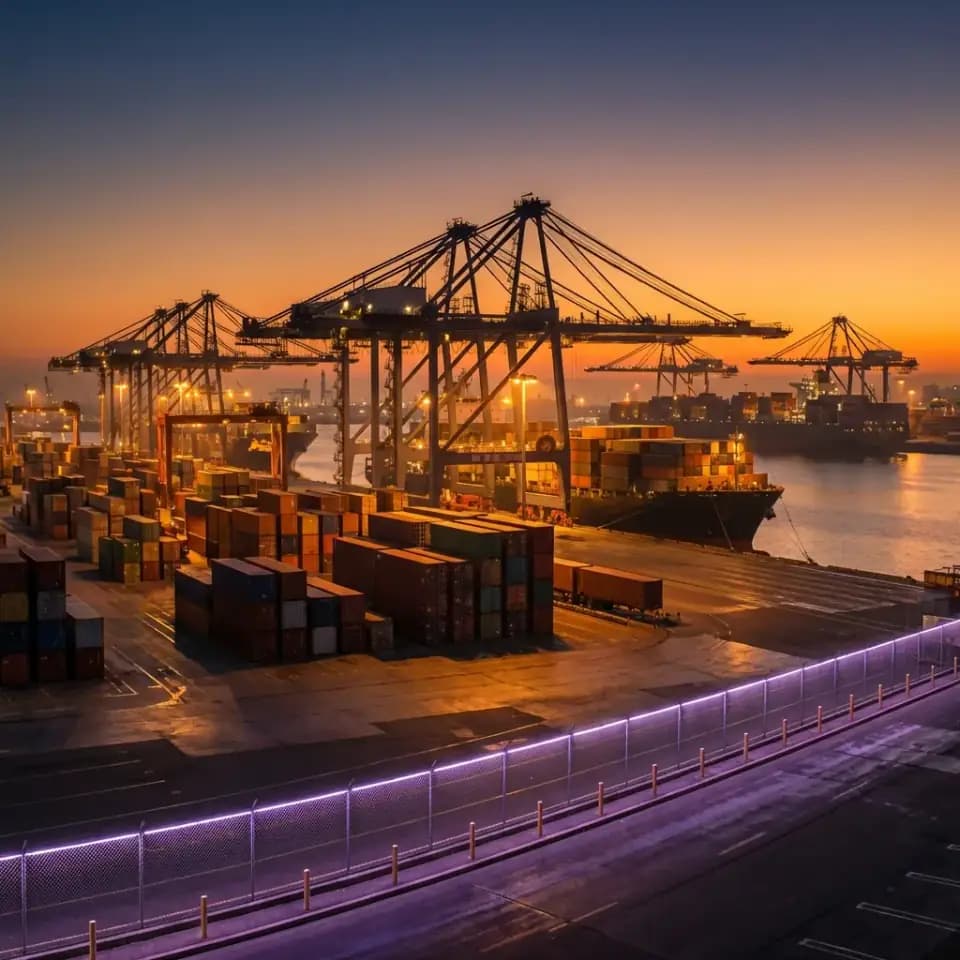
The Northwest Seaport Alliance, combining the Ports of Seattle and Tacoma, is the fourth-largest container port complex in North America, handling containers carrying goods traded between Asia and the United States. The Port of Longview processes bulk grain and log exports, and the Port of Vancouver on the Columbia River handles breakbulk cargo. The Columbia River hydroelectric system, anchored by Grand Coulee Dam (the largest US dam) and Bonneville Dam, provides some of the cheapest electricity in the nation.
This low-cost power has attracted data center investment to eastern Washington: Microsoft, Yahoo/Verizon, Sabey, and Dell operate data centers in Quincy, and Moses Lake is developing as an additional data center hub. The Columbia Generating Station near Richland is Washington's only commercial nuclear power plant.
## Security Challenges
The protection of the Trident submarine base at Kitsap-Bangor represents one of the most demanding perimeter security requirements in the US military. The base stores and loads nuclear warheads, operates nuclear reactor-powered submarines, and maintains weapons handling facilities along the Hood Canal waterfront where both land and waterside perimeter intrusion detection is essential.
The Hanford Nuclear Reservation, covering 586 square miles, contains 56 million gallons of radioactive waste in underground tanks, and its perimeter security must prevent unauthorized access to areas with lethal radiation levels while cleanup operations that will continue for decades require ongoing physical protection.
Cargo theft at the Seattle and Tacoma ports and along the I-5 corridor between Portland and the Canadian border is a persistent problem, with organized theft rings targeting containerized goods and warehouse facilities. The Boeing Everett and Renton factories contain classified defense program production lines alongside commercial aircraft assembly, requiring security systems that protect both proprietary commercial technology and classified military programs.
The catalytic converter theft epidemic in the Seattle-Tacoma metropolitan area has been among the worst in the nation, and homeless encampment proximity to industrial facilities in Seattle, Tacoma, and Everett creates ongoing perimeter security challenges for commercial and manufacturing operations.
## Why Fiber Optic PIDS in Washington
Washington's coastal-marine climate brings heavy, persistent rainfall to the western part of the state, with annual precipitation exceeding 35 to 70 inches in most lowland areas and substantially more in the Coast Range and Cascades. The Cascadia Subduction Zone poses the threat of a magnitude 9. 0-plus earthquake that could devastate infrastructure across the Pacific Northwest, making seismic resilience a critical consideration for security system design.
Fiber optic cables are more flexible and resilient than rigid electronic sensor systems during seismic shaking, and their passive nature means they continue functioning when power grids fail after an earthquake. The 2021 heat dome event, which pushed Seattle-area temperatures to 108 degrees Fahrenheit, demonstrated that Washington's traditionally mild climate can produce extreme heat that stresses electronic equipment designed for temperate conditions.
The Puget Sound naval facilities require perimeter security systems that function reliably in constant moisture, salt air, and rain while maintaining detection sensitivity along waterfront boundaries where wave action, marine wildlife, and boat traffic create complex background noise. Fiber optic PIDS technology excels in these maritime conditions because the sensing cable is inherently waterproof and salt-corrosion resistant, and advanced signal processing can distinguish between waterside environmental activity and genuine intrusion attempts.
For the data centers in Quincy and Moses Lake in eastern Washington, where conditions shift to semi-arid with temperature extremes, the same fiber optic technology performs without degradation across this dramatically different climate zone.
## Deployment Context
Washington State's perimeter security requirements encompass the Pacific Fleet's nuclear submarine base at Kitsap-Bangor, the world's largest building at Boeing Everett, the fourth-largest container port complex in North America at Seattle-Tacoma, the Hanford nuclear cleanup site, hydroelectric dams generating power for the Pacific Northwest, and a growing data center corridor in central Washington.
Fiber optic PIDS technology delivers the maritime resilience, seismic tolerance, and environmental versatility needed to protect this diverse portfolio of national defense, aerospace, energy, and technology infrastructure across western Washington's rain-soaked coast and eastern Washington's arid interior.
Professional perimeter protection for distribution centers, manufacturing, and critical infrastructure in Washington.
- Quayside & Vessel Berth Security
- ISPS-Compliant Port Perimeter
- R&D Campus & IP Protection
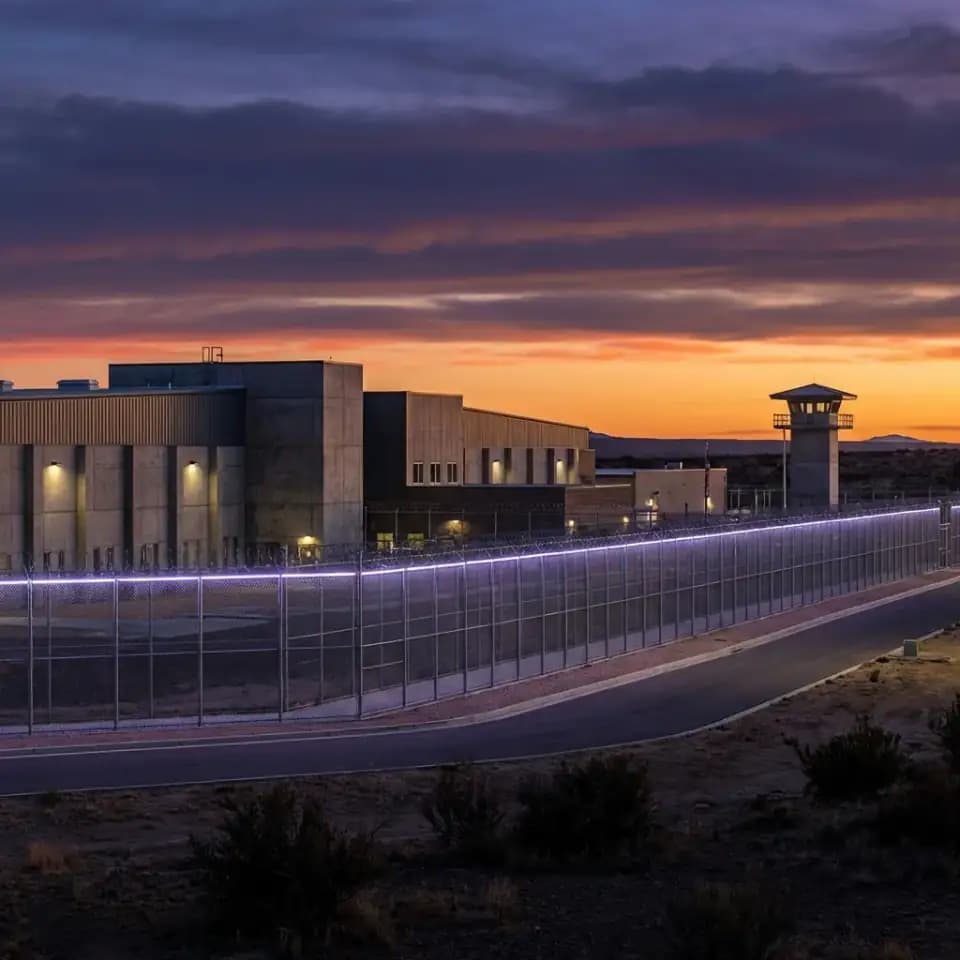
- Naval Submarine & Shipyard Facilities
Plan a FortSense assessment for this market
Share the perimeter length, fence type, and monitoring workflow. FortSense can help scope zones, integration points, and commissioning requirements for this location.
Services
Quayside & Vessel Berth Security
Waterside perimeter security for quay walls, vessel berths, and dry dock areas with wave-motion filtering and diver detection capability.
ISPS-Compliant Port Perimeter
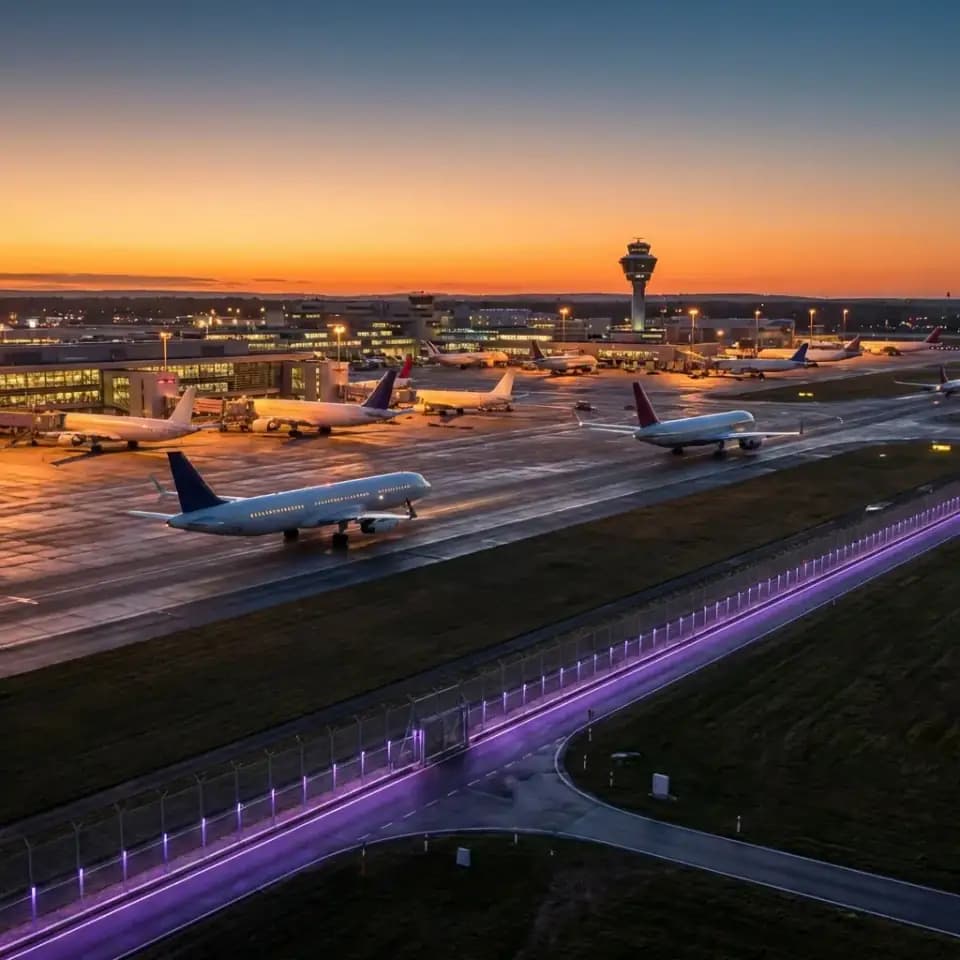
International Ship and Port Facility Security (ISPS) compliant fiber optic perimeter detection for port boundaries, restricted zones, and maritime access points.
R&D Campus & IP Protection
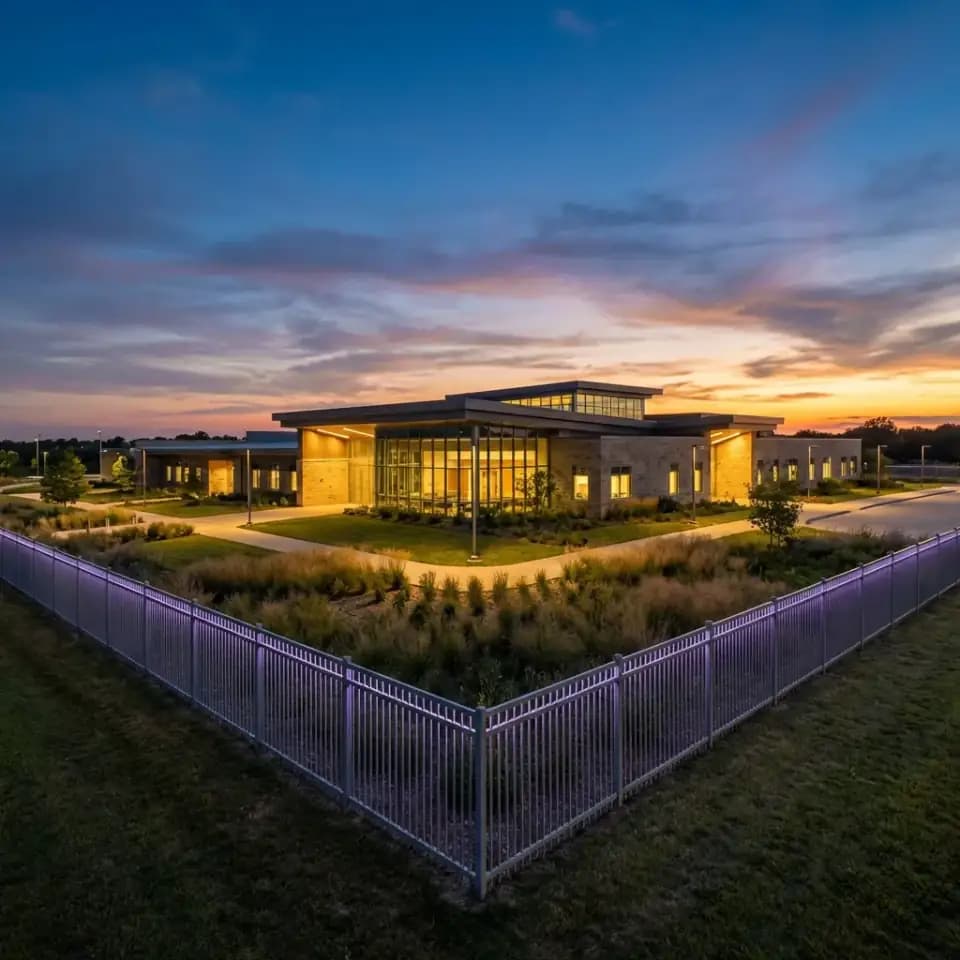
High-security perimeter for R&D campuses, pharmaceutical plants, and IP-sensitive manufacturing facilities with tamper-proof fiber and encrypted alarm channels.
Deployment patterns for local sites
How FortSense Works in Washington
Fiber optic perimeter security adapted to local conditions and requirements.
- Fiber installed. Passive fiber optic cable mounts on the existing fence or wall with minimal civil work.
- Vibration detected. Any contact creates vibration patterns in the fiber so climbing, cutting, or lifting attempts become visible immediately.
- AI/DSP verification. Algorithms filter out wind, animals, and environmental noise before an operator ever sees an alarm.
- Alarm if intrusion. Only real threats trigger zone-based alarms that can route into the monitoring workflow already used by the site team.
Adapted for Washington. Our local partners understand Washington's climate, terrain, and security challenges. The fiber optic system is configured to filter local environmental conditions while maintaining maximum sensitivity to real intrusion attempts.
Integration and security software fit
FortSense can feed alarms into the monitoring stack a site already uses, including VMS, PSIM, alarm panels, relay inputs, TCP/IP workflows, and camera verification.
- Zone-based alarms for operators and guard teams
- Camera and VMS workflows for visual verification
- Relay or network outputs for existing security systems
- Software-assisted filtering before dispatch decisions
Industries in this market
Relevant FortSense industry and use-case paths connected to this location.
- Naval Submarine & Shipyard Facilities
- Aerospace Manufacturing Complexes
- Pacific Rim Container Port Operations
- Distribution Center Perimeter Security
- Solar Farm Perimeter Security
- Perimeter Security for Critical Infrastructure
Why FortSense fits in Perimeter Security in Washington
FortSense is designed for perimeter security work where false-alarm reduction, passive fiber sensing, and practical integration matter more than adding another camera-only layer.
- Passive fiber on existing fences, walls, or perimeter structures
- AI/DSP filtering for wind, vibration, and environmental noise
- Zone-level alerts that can match the site's response model
- Support for design, integration, commissioning, and handover
Market notes
Practical details that help this page stay specific to the market instead of drifting into generic copy.
- Naval Submarine & Shipyard Facilities
- Aerospace Manufacturing Complexes
- Pacific Rim Container Port Operations
- Quayside & Vessel Berth Security
Related FortSense paths
Related technical content and commercial guidance linked from this location page.


