Fiber Optic Perimeter Security in Wisconsin: Perimeter Intrusion Detection for Wisconsin Manufacturing & Naval Shipbuilding

Securing Marinette Marine's Navy frigate construction, Great Lakes port facilities, and dairy processing infrastructure across America's manufacturing heartland

Applications

Perimeter Security Fiber Optics Ideal for Applications in Wisconsin

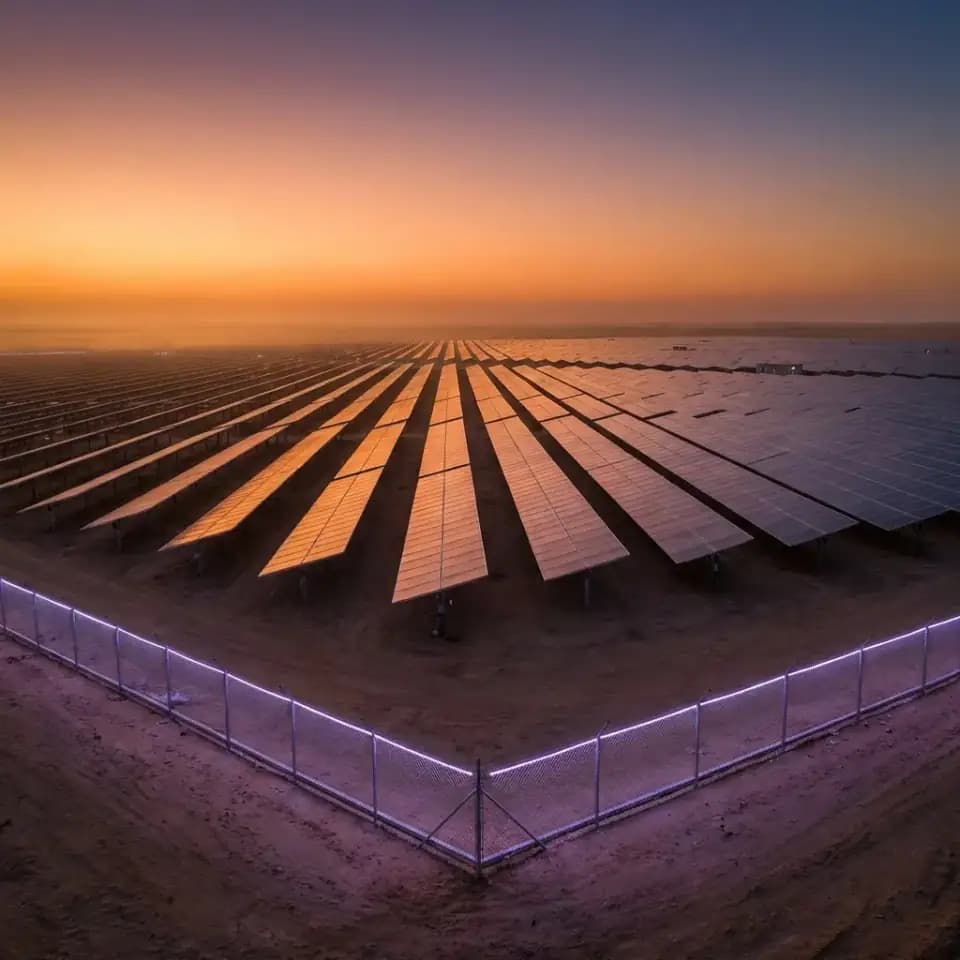
FortSense Solar & Renewables

Solar & Renewables

Perimeter Security Fiber Optics

Solar & Renewables

Autonomous perimeter monitoring for solar plants, protecting against theft of panels, copper cables, and inverters.

Ideal for applications in Wisconsin

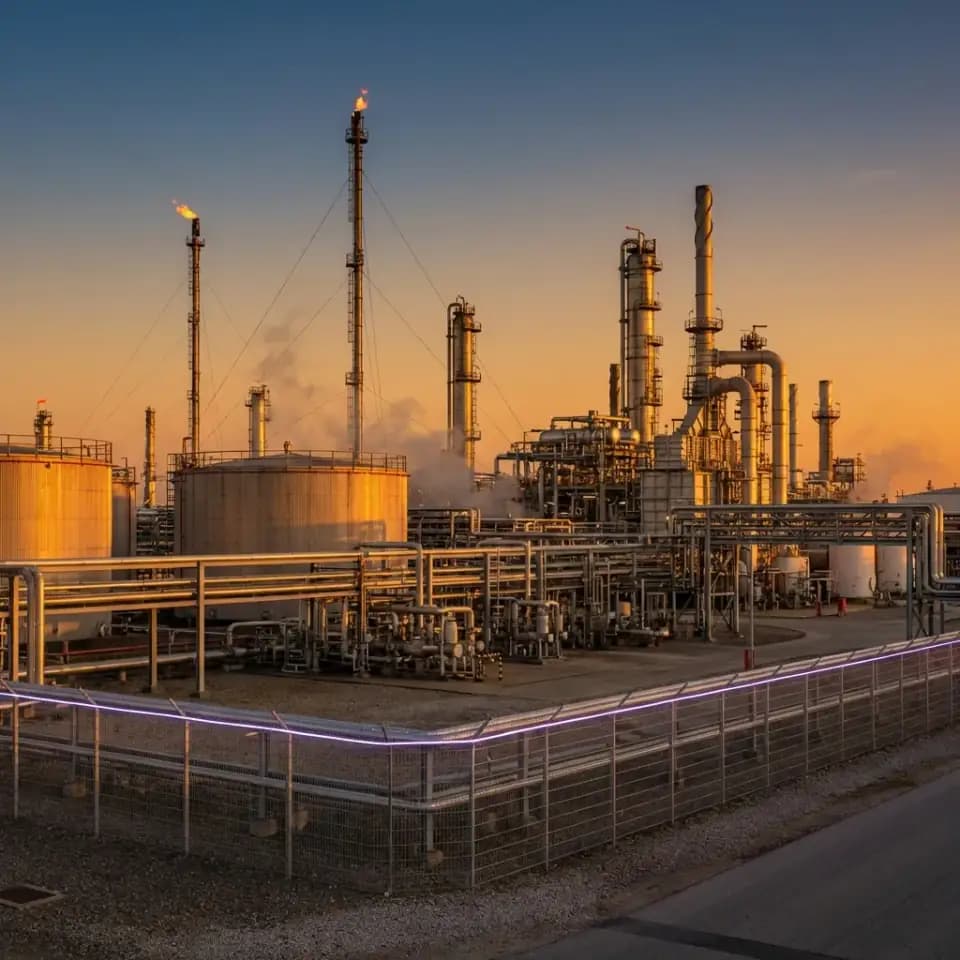
FortSense Oil & Gas

Oil & Gas

Perimeter Security Fiber Optics

Oil & Gas

Intrinsically safe perimeter detection for refineries, chemical plants, and fuel storage depots.

Ideal for applications in Wisconsin

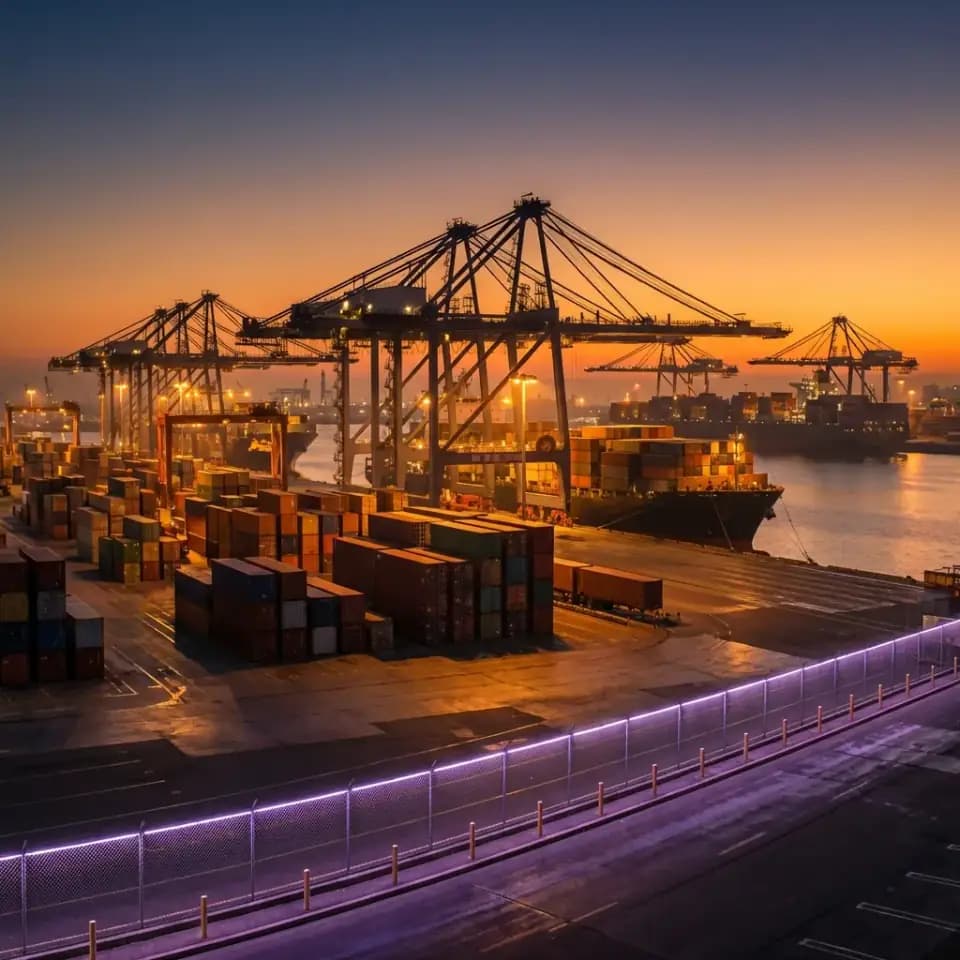
FortSense Ports & Maritime

Ports & Maritime

Perimeter Security Fiber Optics

Ports & Maritime

ISPS-compliant security for cargo containers, fuel depots, and docked vessels in harsh marine environments.

Ideal for applications in Wisconsin

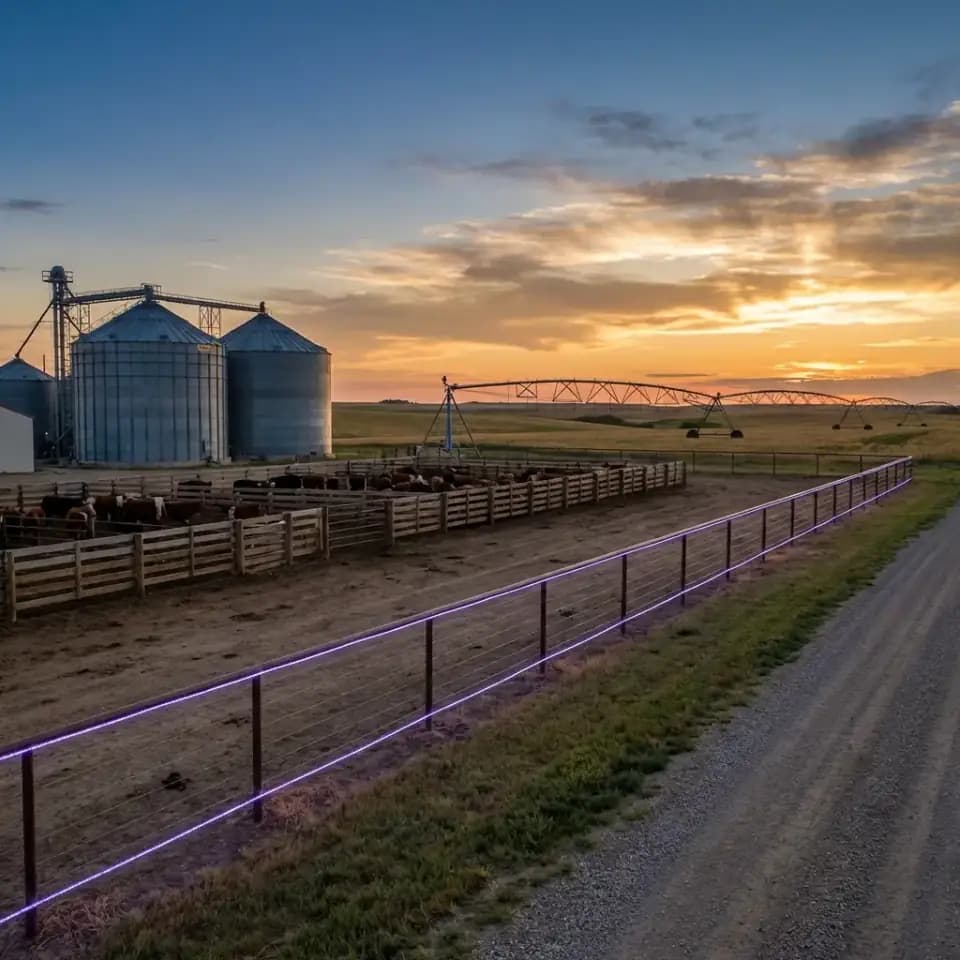
FortSense Agriculture

Agriculture

Perimeter Security Fiber Optics

Agriculture

Fire detection and security for farms, livestock pens, pivot irrigation systems, and rural assets.

Ideal for applications in Wisconsin

FortSense Financial Sector

Financial Sector

Perimeter Security Fiber Optics

Financial Sector

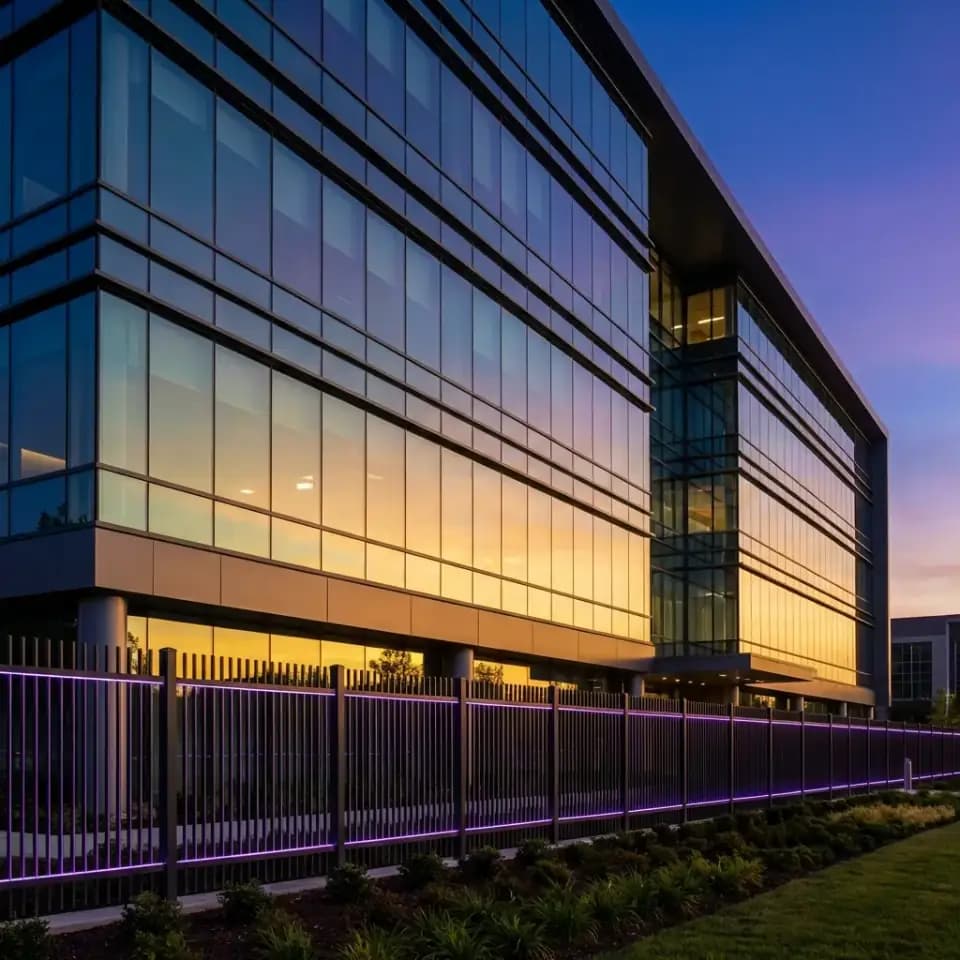
High-security perimeter protection for banks, vaults, administrative centers, and ATM areas.

Ideal for applications in Wisconsin

FortSense Residential Condominiums

Residential Condominiums

Perimeter Security Fiber Optics

Residential Condominiums

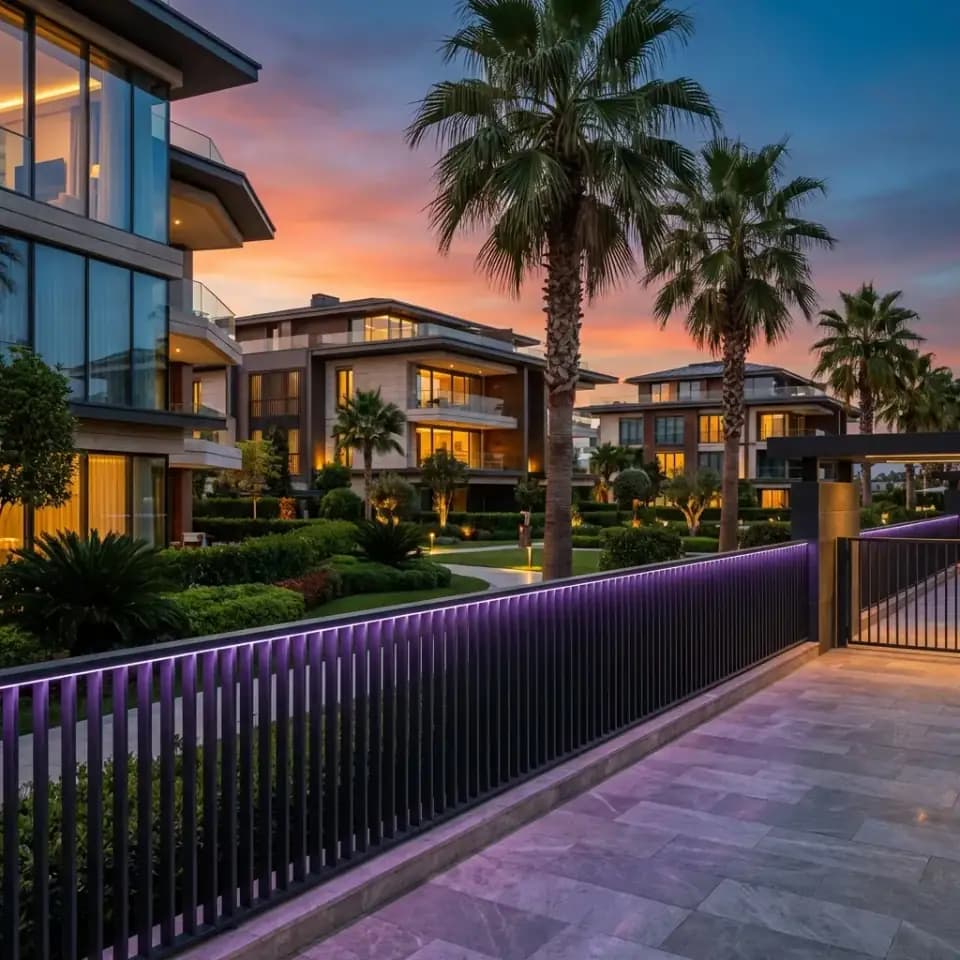
Invisible security for gated communities and apartment complexes, preserving aesthetics while detecting intrusions.

Ideal for applications in Wisconsin

FortSense Distribution Centers

Distribution Centers

Perimeter Security Fiber Optics

Distribution Centers

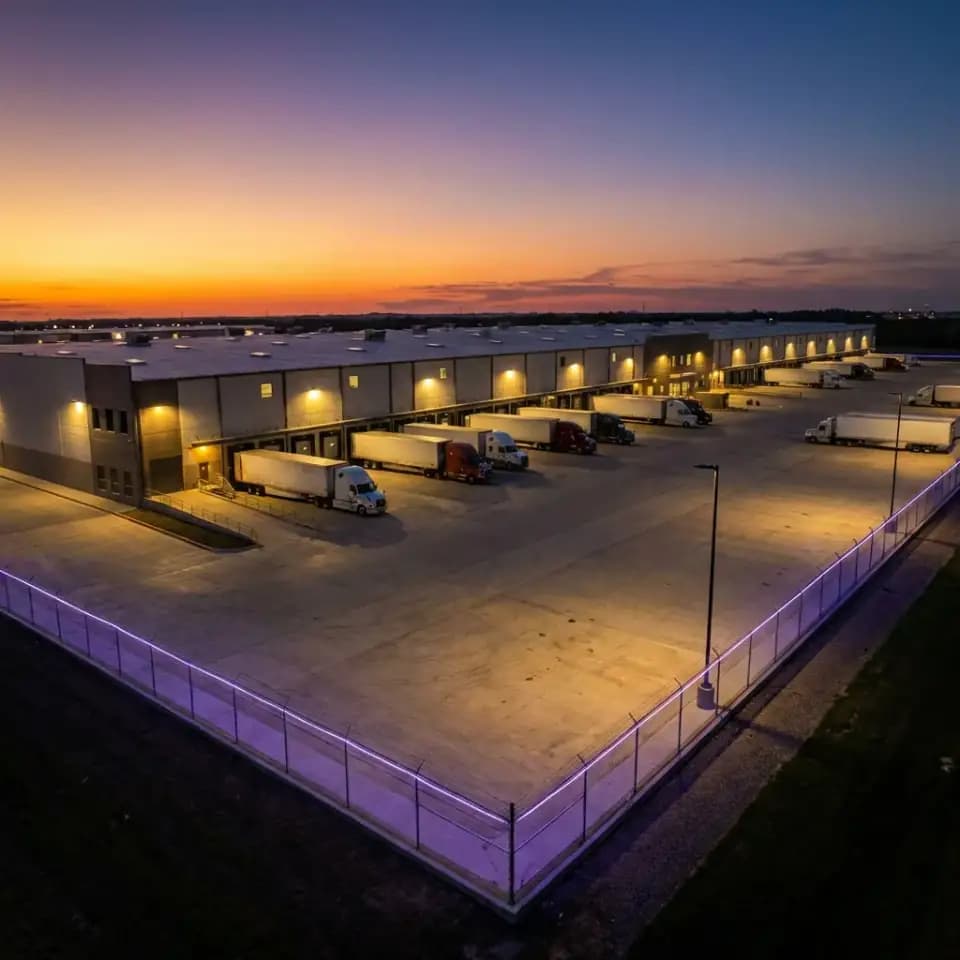
Security for logistics parks, warehouses, and high-value storage areas, meeting TAPA security standards.

Ideal for applications in Wisconsin

FortSense Critical Infrastructure

Critical Infrastructure

Perimeter Security Fiber Optics

Critical Infrastructure

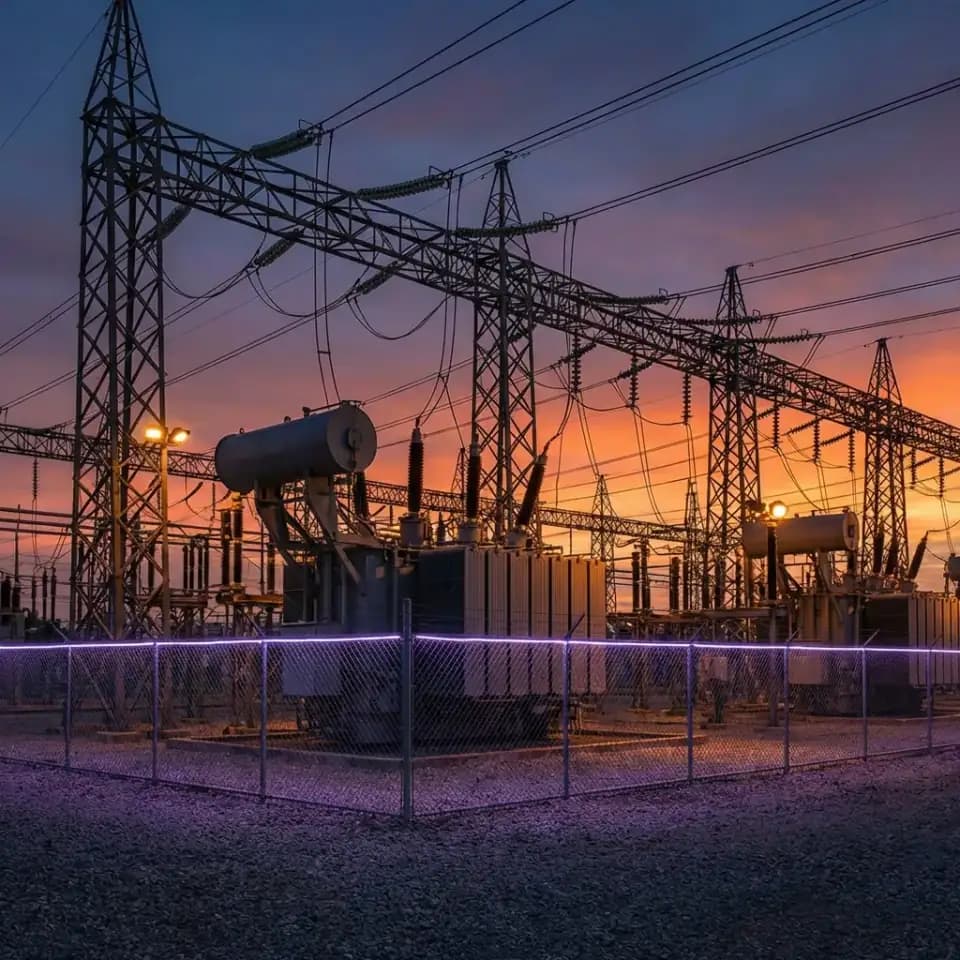
EMI-immune monitoring for electrical substations, telecom towers, and unmanned critical assets.

Ideal for applications in Wisconsin

FortSense Corrections & Prisons

Corrections & Prisons

Perimeter Security Fiber Optics

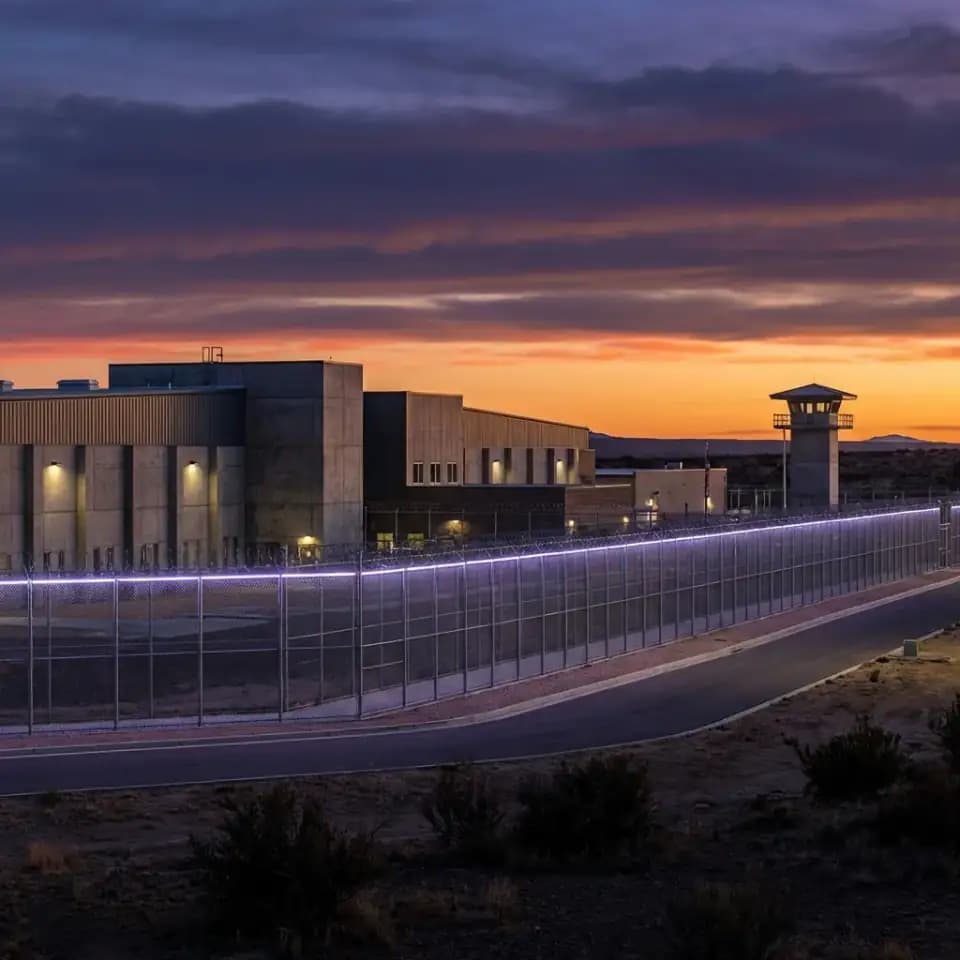
Corrections & Prisons

Zero-tolerance perimeter security for correctional facilities, detecting escape attempts and breaches.

Ideal for applications in Wisconsin

FortSense Public Sector & Schools

Public Sector & Schools

Perimeter Security Fiber Optics

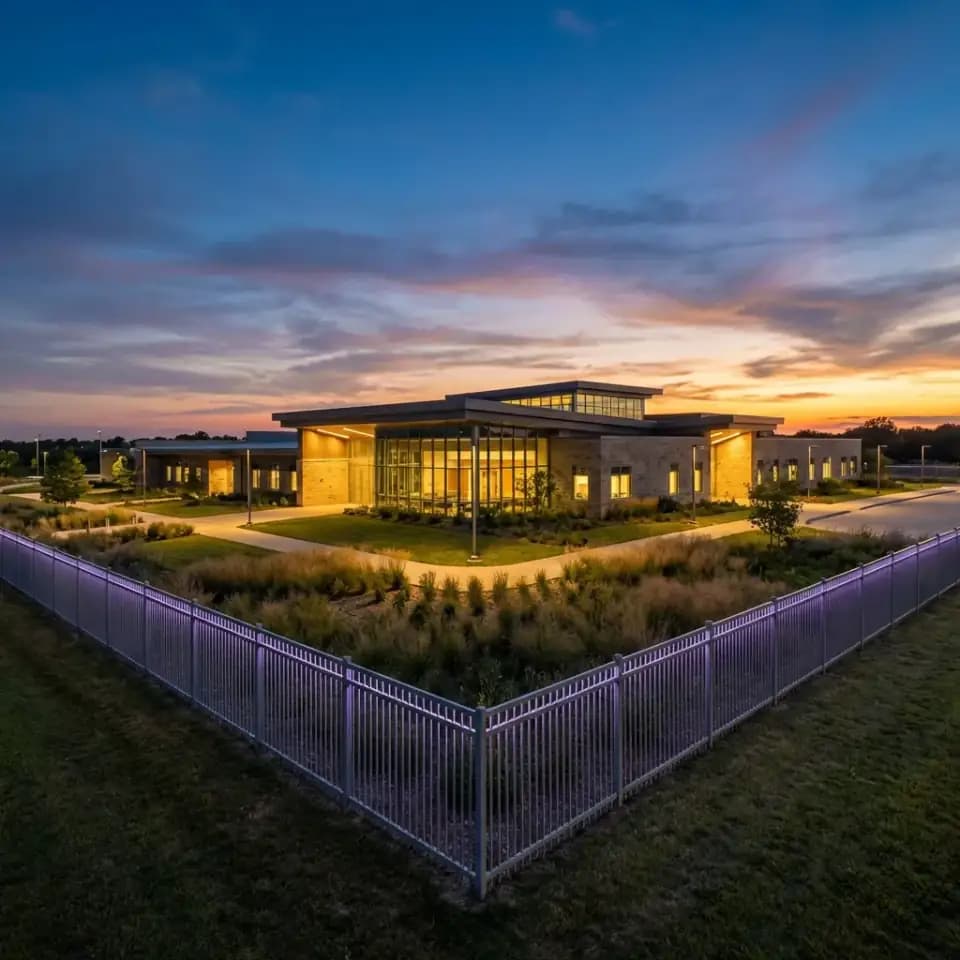
Public Sector & Schools

Non-invasive security for schools, government buildings, and public facilities with rapid lockdown protocols.

Ideal for applications in Wisconsin

FortSense Perimeter Security for Airports

Perimeter Security for Airports

Perimeter Security Fiber Optics

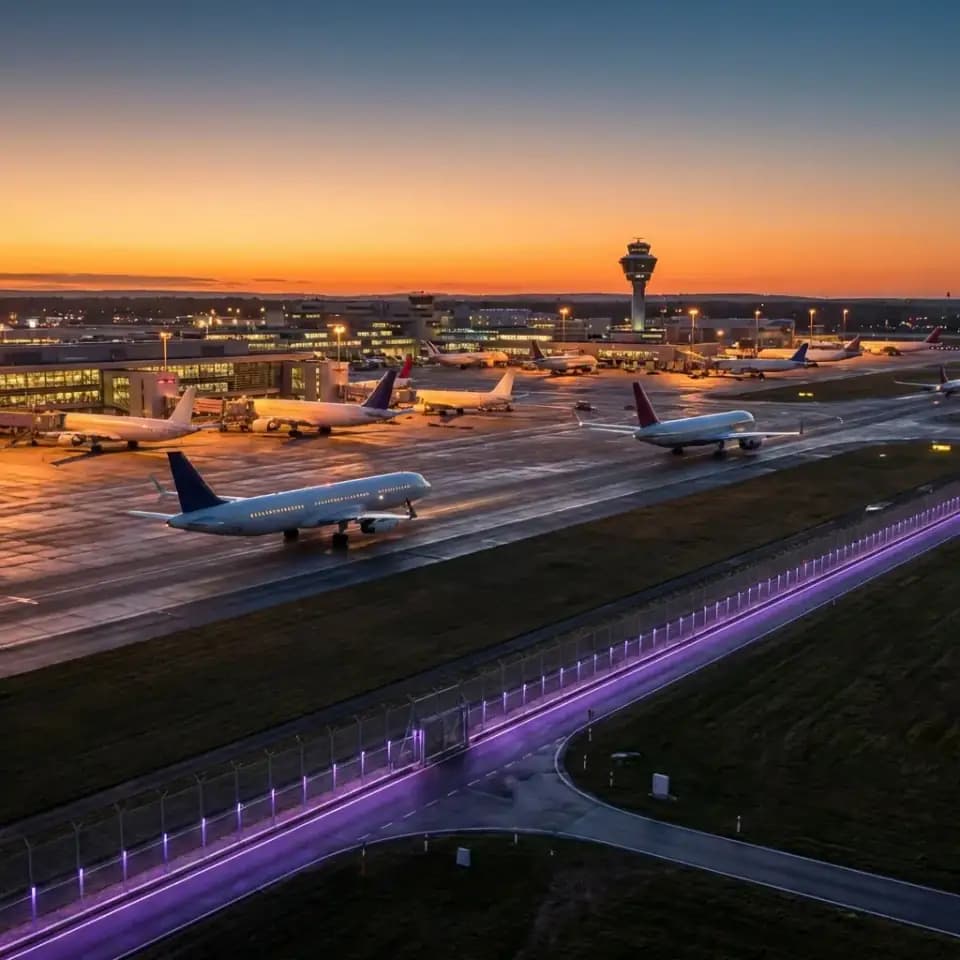
Perimeter Security for Airports

ICAO-compliant sterile zone enforcement with zero interference to airport radar and navigation systems.

Ideal for applications in Wisconsin

FortSense Mining Operations

Mining Operations

Perimeter Security Fiber Optics

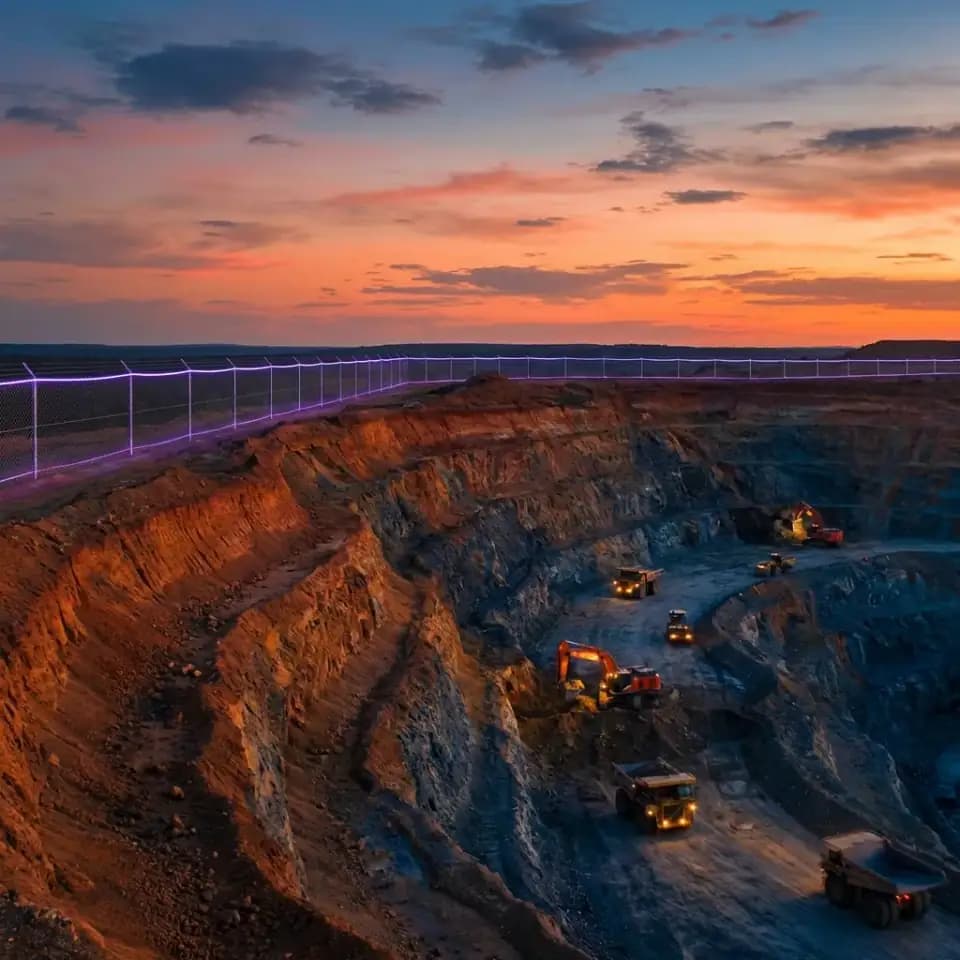
Mining Operations

Ruggedized perimeter security for open-pit mines, ore stockpiles, and remote mining infrastructure.

Ideal for applications in Wisconsin

Local service overview

Perimeter Intrusion Detection for Wisconsin Manufacturing & Naval Shipbuilding

FortSense protects Wisconsin's Marinette Marine shipyard, Point Beach nuclear plant, and Oshkosh Corporation military vehicle facilities with fiber optic perimeter intrusion detection.

## Economic & Industrial Landscape

Wisconsin generates approximately $370 billion in gross domestic product, maintaining one of the highest manufacturing employment shares of any state in the nation. The state's manufacturing base is remarkably diverse, anchored by major corporations headquartered within its borders. Oshkosh Corporation in Oshkosh produces military vehicles including the Joint Light Tactical Vehicle (JLTV), fire trucks, and specialty access equipment. Harley-Davidson manufactures motorcycles in the Milwaukee area. Rockwell Automation in Milwaukee is a global leader in industrial automation systems.

Johnson Controls in Glendale produces building technology and energy solutions. Kohler Company in the village of Kohler manufactures plumbing fixtures and power systems. Mercury Marine in Fond du Lac is the world's leading manufacturer of marine propulsion systems.

Wisconsin produces more cheese than any other state, accounting for over 25 percent of all US cheese production. The dairy industry generates approximately $45 billion in annual economic activity, with cheese, butter, and milk processed at hundreds of facilities across the state. The paper and packaging industry, centered in the Fox Valley from Appleton through Oshkosh to Green Bay, includes operations by Georgia-Pacific and Kimberly-Clark that convert Wisconsin pulpwood into consumer products distributed globally.

Epic Systems in Verona, the nation's leading electronic health records company, is the largest private employer in the Madison metropolitan area, housing over 10,000 employees on a sprawling campus. Marinette Marine, owned by Italian defense firm Fincantieri, is building the US Navy's next-generation Constellation-class frigates at its shipyard on the Menominee River.

## Critical Infrastructure

The Marinette Marine shipyard represents a nationally critical defense industrial base asset. The Constellation-class frigate program, designated FFG-62, will produce the Navy's first new guided-missile frigates in decades, with each vessel incorporating advanced combat systems, electronic warfare capabilities, and precision weapons. The shipyard's location on the Wisconsin-Michigan border, on the Menominee River flowing into Green Bay, makes it one of only a handful of facilities in the United States capable of constructing major naval combatant vessels.

Classified defense programs conducted at the shipyard require perimeter security that meets Navy and Department of Defense standards for protecting controlled unclassified information and classified materials.

The Point Beach Nuclear Generating Station near Two Rivers on the Lake Michigan shore provides baseload electricity for the region. Wisconsin's Great Lakes port infrastructure includes the Port of Milwaukee on Lake Michigan, the Port of Green Bay serving the paper and manufacturing industries, and the Port of Superior on Lake Superior, a critical shipping hub for iron ore, coal, and grain moving through the Great Lakes-St. Lawrence Seaway system. Fort McCoy near Sparta serves as a major Army training center.

Truax Field Air National Guard Base in Madison hosts an F-35 Lightning II wing, bringing fifth-generation fighter operations to the state. The Foxconn/Fii USA facility in Mount Pleasant, while scaled back from its original ambitious plans, and the adjacent Microsoft data center contribute to a growing technology corridor in southeastern Wisconsin.

## Security Challenges

Wisconsin's manufacturing facilities face persistent theft challenges targeting both finished goods and raw materials. The dairy and cheese industry presents unique security requirements: Wisconsin's cheese warehouses store millions of pounds of aged cheddar, parmesan, and specialty cheeses with values reaching hundreds of dollars per wheel, making them high-value targets for organized theft. Cargo theft along the I-94 corridor from Milwaukee through Madison toward Minneapolis targets the consumer goods, paper products, and manufactured items that move through Wisconsin's distribution network.

Naval shipbuilding security at Marinette Marine involves protecting classified defense programs while the shipyard operates in a relatively small community where the facility's activities are visible to the surrounding area.

Port security at Milwaukee, Green Bay, and Superior addresses threats including cargo theft, smuggling, and unauthorized access to bulk commodity storage areas. Paper mill and pulp facility security in the Fox Valley involves protecting operations that run continuously and contain valuable equipment, chemicals, and finished products. Drug trafficking through Milwaukee, which serves as a distribution gateway from Chicago, creates secondary security pressures for industrial facilities in the southeastern Wisconsin corridor.

Agricultural equipment theft in the state's extensive farming regions and construction site theft in the rapidly growing Madison metropolitan area add to the statewide security burden.

## Why Fiber Optic PIDS in Wisconsin

Wisconsin's continental-cold climate imposes extreme demands on outdoor security equipment. Wind chill temperatures reaching minus 20 to minus 40 degrees Fahrenheit are common during winter months, with heavy snowfall averaging 40 to 60 or more inches annually and lake-effect snow in eastern Wisconsin adding substantial additional accumulation near Lake Michigan. Spring flooding from snowmelt and heavy rains can inundate low-lying industrial areas and port facilities. Ice storms periodically coat fencing, sensors, and power lines with thick ice layers that render electronic security systems inoperable.

Fiber optic sensing cables are engineered to operate without degradation across this extreme temperature range, and their passive nature means they continue functioning when power grids fail under winter storm conditions.

The maritime environment along Wisconsin's Lake Michigan and Lake Superior shorelines exposes perimeter security systems to persistent moisture, ice spray, and the corrosive effects of freshwater ice cycling. The Marinette Marine shipyard's waterfront location requires perimeter detection that functions reliably in these conditions while distinguishing between river and harbor activity and genuine intrusion attempts.

For the vast agricultural processing facilities and cheese warehouses spread across the state, fiber optic PIDS provides cost-effective long-perimeter coverage that operates through Wisconsin's harsh winters without the maintenance demands and failure modes of electronic alternatives.

## Deployment Context

Wisconsin's perimeter security landscape spans the nationally critical Marinette Marine frigate construction program, Point Beach nuclear generating station, Great Lakes port facilities handling iron ore and grain, the dairy and cheese processing infrastructure that produces a quarter of America's cheese, military vehicle manufacturing at Oshkosh Corporation, and the technology campuses in the Madison-Milwaukee corridor.

Fiber optic PIDS technology delivers the extreme-cold resilience, moisture resistance, and long-range detection capability required across Wisconsin's manufacturing heartland, where perimeter security systems must perform reliably through some of the harshest winter conditions in the lower 48 states.

Professional perimeter protection for distribution centers, manufacturing, and critical infrastructure in Wisconsin.

  • Factory & Industrial Park Perimeter
  • Warehouse Complex & Distribution Center
  • Livestock & Feed Lot Perimeter
  • Naval Shipbuilding & Defense Manufacturing

Plan a FortSense assessment for this market

Share the perimeter length, fence type, and monitoring workflow. FortSense can help scope zones, integration points, and commissioning requirements for this location.

Services

Factory & Industrial Park Perimeter

Shift-aware perimeter detection for factories and industrial parks with automatic sensitivity adjustment between production hours and quiet periods.

Warehouse Complex & Distribution Center

Multi-zone fiber optic fencing for warehouse complexes and distribution centers with integration to inventory management and access control systems.

Livestock & Feed Lot Perimeter

Fiber optic perimeter detection for livestock pens, feedlots, and breeding facilities with animal-immune algorithms calibrated for large herds.

Deployment patterns for local sites

How FortSense Works in Wisconsin

Fiber optic perimeter security adapted to local conditions and requirements.

  1. Fiber installed. Passive fiber optic cable mounts on the existing fence or wall with minimal civil work.
  2. Vibration detected. Any contact creates vibration patterns in the fiber so climbing, cutting, or lifting attempts become visible immediately.
  3. AI/DSP verification. Algorithms filter out wind, animals, and environmental noise before an operator ever sees an alarm.
  4. Alarm if intrusion. Only real threats trigger zone-based alarms that can route into the monitoring workflow already used by the site team.

Adapted for Wisconsin. Our local partners understand Wisconsin's climate, terrain, and security challenges. The fiber optic system is configured to filter local environmental conditions while maintaining maximum sensitivity to real intrusion attempts.

Integration and security software fit

FortSense can feed alarms into the monitoring stack a site already uses, including VMS, PSIM, alarm panels, relay inputs, TCP/IP workflows, and camera verification.

  • Zone-based alarms for operators and guard teams
  • Camera and VMS workflows for visual verification
  • Relay or network outputs for existing security systems
  • Software-assisted filtering before dispatch decisions

Industries in this market

Relevant FortSense industry and use-case paths connected to this location.

  • Naval Shipbuilding & Defense Manufacturing
  • Dairy & Food Processing Warehouses
  • Great Lakes Port & Logistics Operations
  • Distribution Center Perimeter Security
  • Solar Farm Perimeter Security
  • Perimeter Security for Critical Infrastructure

Why FortSense fits in Perimeter Security in Wisconsin

FortSense is designed for perimeter security work where false-alarm reduction, passive fiber sensing, and practical integration matter more than adding another camera-only layer.

  • Passive fiber on existing fences, walls, or perimeter structures
  • AI/DSP filtering for wind, vibration, and environmental noise
  • Zone-level alerts that can match the site's response model
  • Support for design, integration, commissioning, and handover

Market notes

Practical details that help this page stay specific to the market instead of drifting into generic copy.

  • Naval Shipbuilding & Defense Manufacturing
  • Dairy & Food Processing Warehouses
  • Great Lakes Port & Logistics Operations
  • Factory & Industrial Park Perimeter

Related FortSense paths

Related technical content and commercial guidance linked from this location page.

Frequently Asked Questions (FAQ)

Frequently Asked Questions (FAQ) — Wisconsin

How does the system handle vibration from heavy manufacturing equipment?

Our industrial algorithm continuously learns the vibration profile of your factory — presses, CNC machines, forklifts, HVAC systems. These known patterns are filtered from the detection baseline, maintaining a low false alarm rate even in vibration-intensive environments.

What is the false alarm rate in an industrial environment?

Properly calibrated FortSense systems achieve Nuisance Alarm Rates (NAR) below 1 per zone per day in industrial environments. Our AI-based filtering adapts to site-specific conditions over the first 2-4 weeks, continuously improving accuracy.

Can the system secure multiple buildings in an industrial park?

Yes. The fiber cable can be routed through multiple perimeters within a single industrial park — factory buildings, warehouses, parking areas, and utility compounds — all monitored from one interrogator with independent alarm zones per building.

How does installation work on agricultural fencing (barbed wire, post-and-rail)?

Our fiber cable attaches to virtually any fence type — barbed wire, woven wire, post-and-rail, electric fence, and chain link. Specialized mounting clips allow rapid installation on existing agricultural fencing without replacing or upgrading the fence structure.

Does FortSense work in extreme cold below -30°C?

Yes. Our fiber sensor cable is rated to -40°C and has been deployed in Arctic and subarctic environments. The passive fiber requires no heating, anti-freeze, or winterization — it simply works. The interrogator is housed in a heated enclosure at temperatures above -20°C.

Local perimeter assessment

Request Perimeter Assessment in Wisconsin

Receive a technical proposal, deployment design, and integration plan.

Perimeter Intrusion Detection for Wisconsin Manufacturing &…